
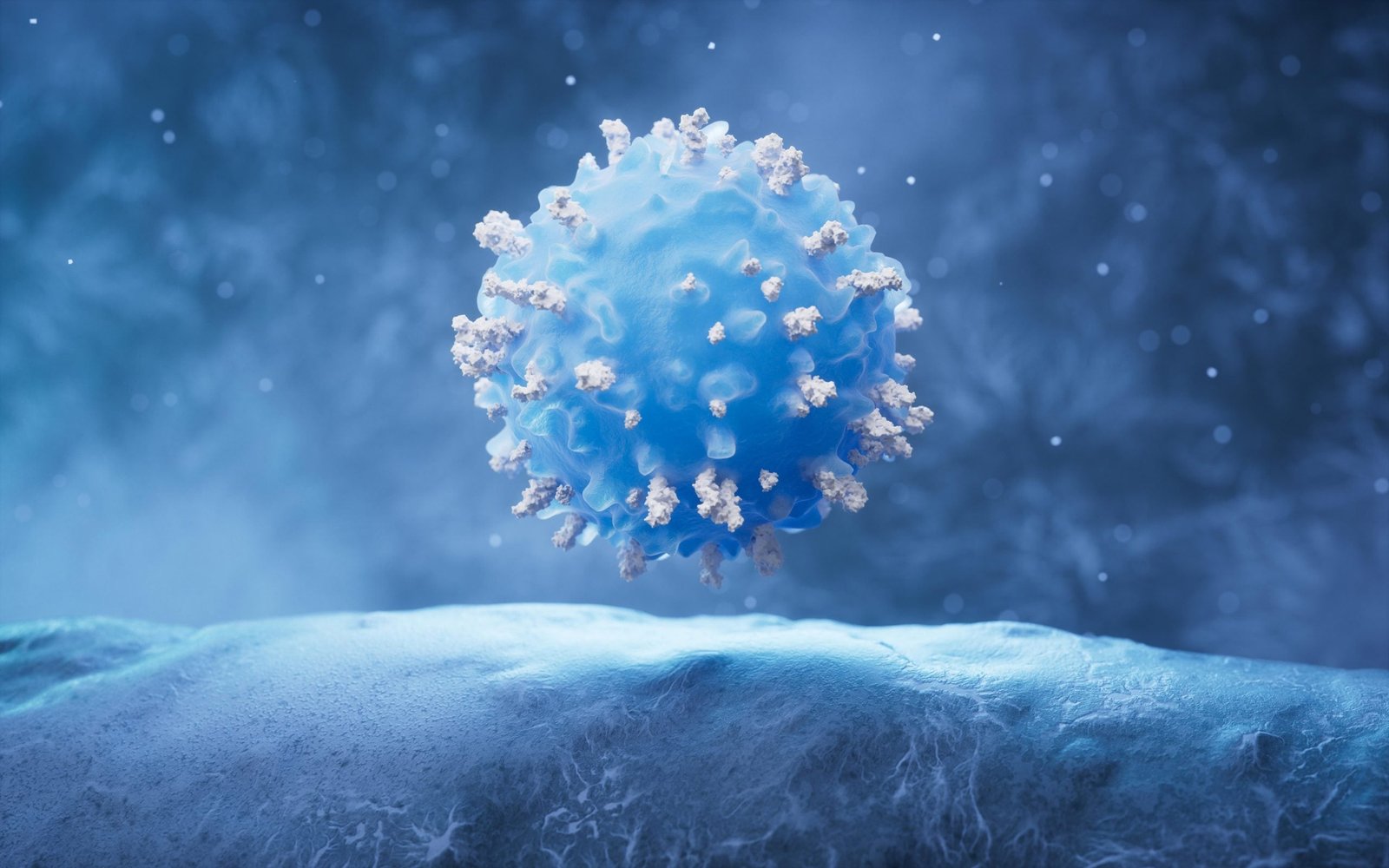
Researchers have uncovered a previously unrecognized role for immune cell surface sugars in driving inflammation in psoriasis.
Scientists have refined how they understand the role of sugars called glycans in guiding immune cells into the skin during psoriasis, a chronic inflammatory disease.
The findings are reported in a study recently published in the journal Science Signaling.
The research was led by Dr. Amy Saunders of Lancaster University and Dr. Douglas Dyer of the University of Manchester, with their joint PhD student, Dr. Megan Priestley (now at MIT), as the first author.
The glycocalyx as a gatekeeper
Many cells in the body, especially those that line blood vessels, are covered by a dense outer coating known as the glycocalyx. This gel-like layer is made up of complex sugar molecules that sit on the surface of the cell membrane. It helps protect blood vessels from physical and chemical stress and has more recently been recognized as an important regulator of immune cell movement.

The researchers found that immune cells themselves also carry a glycocalyx and can shed this sugar layer to move out of the bloodstream and into surrounding tissue during inflammatory skin disease. This challenges earlier assumptions that only blood vessel cells modified their glycocalyx to allow immune cells to pass through.
Shedding the glycocalyx appears to be a key part of the inflammatory response, enabling immune cells to reach tissues where they are needed to fight infection. At the same time, this process can contribute to disease when immune cells accumulate excessively, as occurs in conditions such as psoriasis that affect the skin.
Shifting targets for inflammatory disease treatment
Dr. Saunders said: “It is really exciting to discover how important the glycocalyx layer is on immune cells, and I hope that this research will help to lay the foundations for future advances in inflammatory disease treatment.”
Dr. Dyer said: “It has been a pleasure working collaboratively on this project to redefine our understanding of immune cell recruitment to try and better treat inflammatory disease.”
Dr. Priestley said: “This was a really fun project to work on in my PhD, and I hope this research brings more attention to the importance of sugars in the immune system.”
Other members of the team included Dr. Max Nobis at the University of Manchester (previously VIB-KU Leuven), and Professor Olga Zubkova of the Victoria University of Wellington in New Zealand.
Designing drugs to alter the movement of immune cells between the blood and tissues is a potential way to treat both infections and inflammatory diseases. Therefore, this research may alter the approach taken to develop drugs targeting the movement of immune cells into tissues.
Reference: “Leukocytes have a heparan sulfate glycocalyx that regulates recruitment during psoriasis-like skin inflammation” by Megan J. Priestley, Anna K. Hains, Iashia Z. Mulholland, Sam Spijkers-Shaw, Joshua C. Müller, Gareth Howell, Amanda J. L. Ridley, H. Davies-Strickleton, Rebecca L. Miller, Max Nobis, Olga V. Zubkova, Amy E. Saunders and Douglas P. Dyer, 4 November 2025, Science Signaling.
DOI: 10.1126/scisignal.adr0011
The research was mainly funded by The Wellcome Trust and Royal Society.
Never miss a breakthrough: Join the SciTechDaily newsletter.
Follow us on Google and Google News.