
Table of Contents
Nobody decides to look like they’ve misread a trend. It happens anyway: the berry lip that pulls grey, blush that spreads out like a bruise, graphic liner that’s crisp at 8am and smudged by noon. The product is rarely the culprit. The method is, along with the expectations we bring to it.
Trend cycles repeat, and so do the ways people get them wrong. These are the ones that turn up season after season.
Wearing four trends on one face
The fastest way to look dated on the same day you tried to look current is to stack every trend into a single look. Glossy lid, graphic wing, blush draped up to the temples, laminated brows, brown-lined lip. That’s five statements competing, and the result reads as anxiety rather than effort.
Runway makeup works because each look commits to one hero and keeps everything else quiet. If the eyes are doing the talking, keep lips close to your natural colour and skip the highlighter. If it’s a blush-forward look, drop the wing. A step-by-step breakdown of how each 2026 look is built makes this obvious: nearly every one starts from near-bare skin and adds one element at a time, then stops.

Copying the makeup instead of the lighting
Backstage photographs are shot under lights that would flatter a bin liner. A blurry mauve smoked halfway to the brow bone reads as soft and expensive on camera. Under office fluorescents at 4pm it reads as a smudge you forgot to blend. Cream textures make it worse, because anything dewy reflects those overhead panels and turns greasy-looking by the afternoon.
Before committing to a new trend, look at it in three places: daylight by a window, the bathroom light you actually use, and a phone selfie at arm’s length. If it survives all three, it’s wearable. That single test saves more money than any dupe haul.
Believing “no-makeup makeup” means less work
The skin-first look is the most labour-intensive thing on any runway, and it’s the one people assume is effortless. Coverage isn’t the answer here. Piling on full-coverage foundation to fake good skin flattens the face and makes the freckles, the natural flush and the sheen you were chasing disappear. The skin-led looks that dominate 2026 are built on prep, not pigment.
What it actually requires
- Exfoliating once or twice a week, never on the morning of an event.
- Two or three thin hydrating layers, then a five-minute pause so everything settles before base goes on.
- Spot-concealing with a brush the size of a pinhead instead of covering the whole face.
- Cream blush and bronzer pressed in with fingertips so they melt into skin rather than sit on top of it.
Buying the trend before checking the undertone
Every few seasons a lip or blush shade gets declared universal, and it never is. Cool plums and greiges pull grey on warm and olive skin. Warm brick and peach can turn flat orange on very cool complexions. Swatches online tell you almost nothing, because the lighting in those photos is heavily controlled and the model’s undertone isn’t yours.
Test on the lip itself, not the back of the hand, since lips carry their own pigment. Walk outside with the sample still on. If a counter won’t give you a sample, buy the smallest format available; a mini bullet costs a fraction and takes months to finish anyway. If you’re torn between two directions entirely, weighing the competing 2026 looks against your own colouring is a better use of twenty minutes than scrolling swatch grids.
Assuming a trend suits every eye shape
Graphic liner is the biggest offender. A wing mapped while the eye is closed will shift when the lid opens, which is why so many attempts end up buried in the crease or pointing somewhere near the temple. The trend isn’t broken. The mapping is.
Do this instead
Draw with the eye open and your head facing straight ahead, using short strokes rather than one long sweep. For hooded lids, extend the line outward along the lash line before angling up, and keep the flick shorter than instinct suggests. For monolids, tightlining the upper waterline gives definition that holds all day without eating lid space. Take the shape, then run it through your own geometry.
Fighting your own hand with the wrong tools
Three things fix most application problems, and none of them involve buying a new palette:
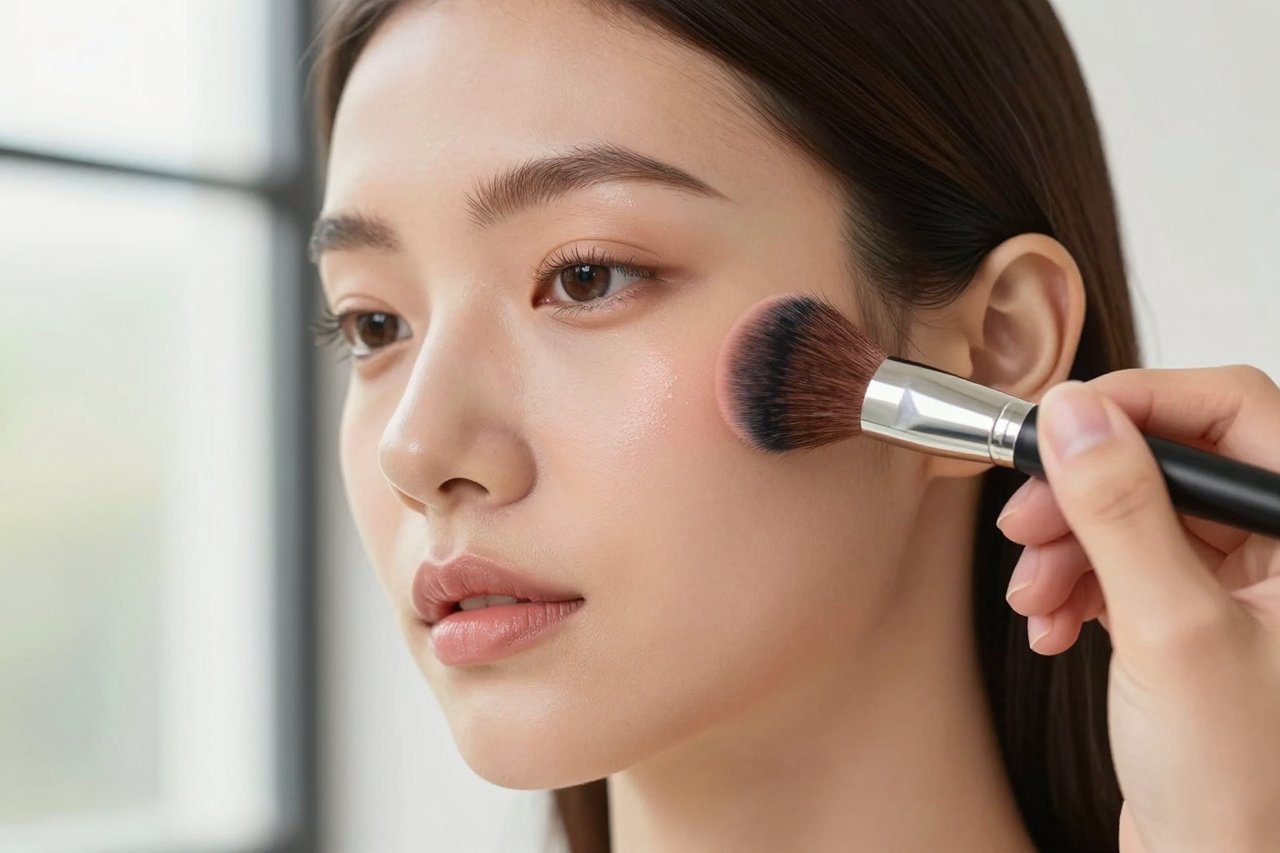
- A brush smaller than the area you’re covering. Blush applied with a fat, fluffy head is exactly how cheeks end up looking sunburned.
- One clean blending brush that only ever blends, never picks up colour.
- A lighter hand than you think you need with unfamiliar textures. New formulas dispense faster than expected, so tap the brush on the back of your hand first.
Layer order matters just as much. Cream formulas belong on bare skin or over cream foundation, never over powder, where they pill and patch within an hour. Powder blush, bronzer and highlight go last, once everything underneath has settled. Get that sequence wrong and no amount of blending rescues it.
Wearing a winter trend in July
Trends arrive with a climate attached and then travel without one. A rich berry mouth that looks expensive in a cold snap can read as heavy and slightly gothic in humid 30-degree heat, where it also migrates. The reverse happens too: sheer, luminous, barely-there skin that photographs beautifully in summer can look washed out against a grey February. Plenty of winter’s high-impact, low-effort looks rely on matte textures and depth precisely because the season asks for them.
Seasonal shifts are less about rules than about swapping textures. Spring’s art-history-inspired palette works in a warm, damp city because it leans on stains and washes rather than creams that slide. Same idea, different vehicle.
The part no one films: taking it off
This is where long-term damage hides. Sleeping in mascara dries the lashes brittle, and the rubbing that follows the next morning costs you more hairs than the product ever did. Chunky glitter left near the lash line migrates into the eye overnight and leaves it irritated for days.
Keep the routine boring. A cleansing balm or oil first to dissolve pigment, especially long-wear lip stains and waterproof liner, then a gentle second cleanse. Press and hold for ten seconds rather than scrubbing, because friction is what actually ages the eye area. Replace mascara every three months, liquid liner every six, and anything cream-based every twelve, no matter how much is left in the tube.
People who wear trends well tend to have one thing in common, and it isn’t a bigger kit. They know how to take the whole thing off, which makes them far more willing to experiment in the first place.


