
Table of Contents
When people hear “Mediterranean diet,” they often picture plates of pasta or creamy Greek yogurt. But the real thing is far simpler and more powerful. It’s an eating pattern rooted in the traditional cuisines of countries like Greece, Italy, Spain, and Morocco—places where people historically lived long, active lives with low rates of chronic disease. In fact, the Mediterranean diet has been studied for decades and consistently ranks among the healthiest ways to eat.
What Exactly Is the Mediterranean Diet?
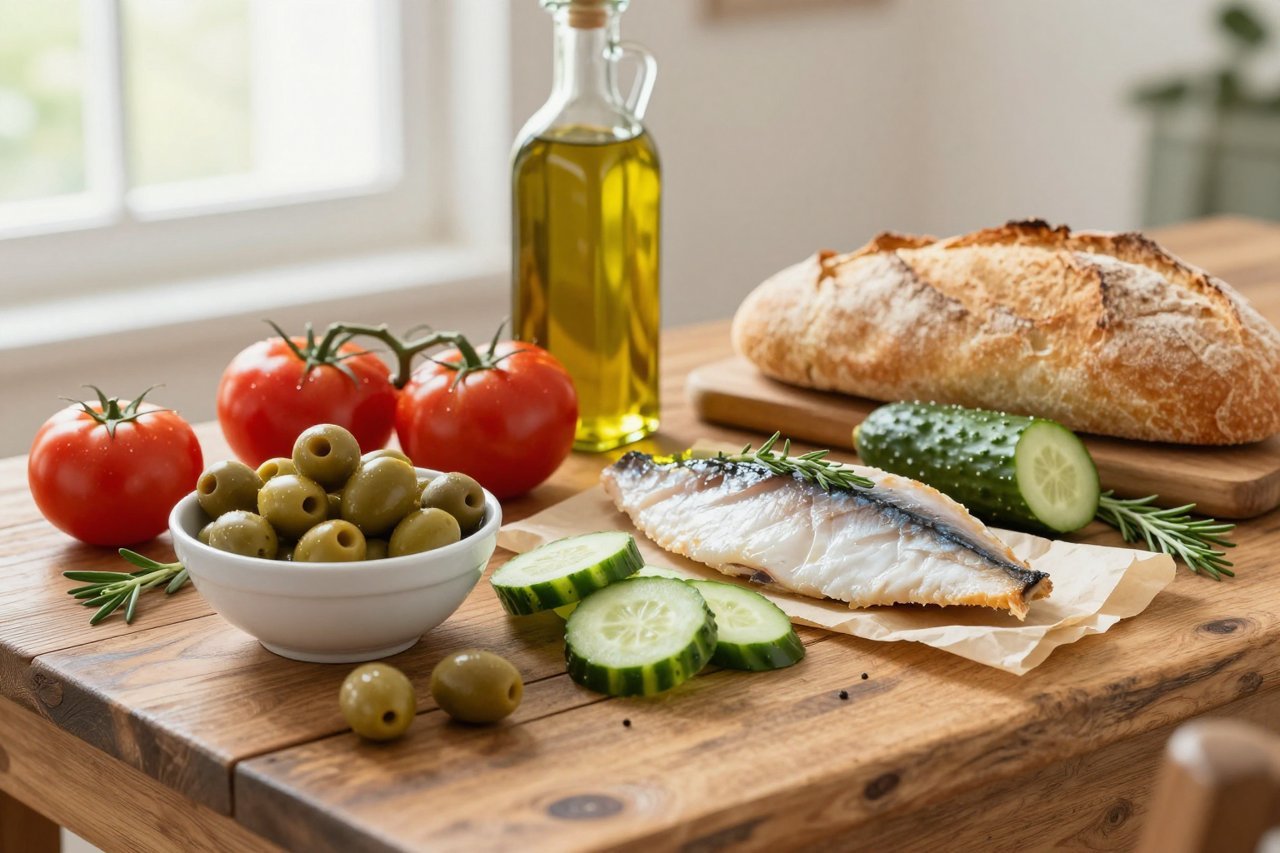
The Mediterranean diet isn’t a rigid meal plan or a set of strict rules. Rather, it’s a flexible framework that emphasizes whole, minimally processed foods. Think vegetables, fruits, whole grains, legumes, nuts, seeds, and olive oil as the foundation. Fish and seafood are eaten regularly, while poultry, eggs, and dairy appear in moderation. Red meat and sweets are occasional treats, not staples. And herbs and spices replace salt for flavor.
This pattern is naturally anti-inflammatory and rich in fiber, healthy fats, antioxidants, and polyphenols. It’s also low in added sugars, refined grains, and industrial seed oils—elements now linked to everything from obesity to declining attention spans.
Key Components of a Mediterranean Eating Pattern
Olive Oil as the Primary Fat
Extra-virgin olive oil (EVOO) is the star. Use it for cooking, dressing salads, or dipping bread. EVOO is packed with monounsaturated fats and phenolic compounds that reduce oxidative stress. One study found that consuming about two tablespoons of EVOO daily lowered the risk of cardiovascular events by nearly 30%.

Abundant Vegetables and Fruits
Aim for at least five servings of vegetables and two to three of fruit each day. Color matters—the deeper the hue, the more phytonutrients. Leafy greens, tomatoes, bell peppers, eggplants, and citrus fruits appear often in Mediterranean meals.
Whole Grains and Legumes
Choose whole grains like farro, barley, bulgur, and whole-wheat pasta over refined ones. Legumes—lentils, chickpeas, fava beans—are a cheap, high-fiber protein source that also feeds gut bacteria.
Fish and Seafood
Fatty fish such as salmon, sardines, mackerel, and anchovies provide omega-3 fatty acids, which are crucial for brain health and reducing inflammation. Aim for two servings per week.
Nuts, Seeds, and Fermented Dairy
Almonds, walnuts, chia seeds, and flaxseeds offer healthy fats and magnesium. Yogurt and kefir—especially from goat or sheep milk—provide probiotics and calcium without excessive sugar.
Herbs, Spices, and Water
Basil, oregano, rosemary, garlic, and turmeric add flavor and health benefits. Hydrate primarily with water; moderate red wine (one glass a day for women, two for men) is optional and often included in the traditional pattern.
Health Benefits Backed by Science
Heart Health
The Mediterranean diet is one of the most effective eating patterns for preventing heart disease. The landmark PREDIMED trial showed that participants who followed this diet with added nuts or olive oil had a 30% lower risk of major cardiovascular events compared to a low-fat control group. The combination of healthy fats, fiber, and anti-inflammatory compounds works synergistically to lower LDL cholesterol, reduce blood pressure, and improve arterial function.
Brain Function and Mental Health
Emerging research links Mediterranean eating to slower cognitive decline and a lower risk of Alzheimer’s disease. Omega-3s from fish and polyphenols from fruits and olive oil protect neurons and reduce brain inflammation. Some studies also suggest benefits for mood disorders—interesting given the growing recognition that lifestyle factors like diet can complement standard treatments.
Anti-Inflammatory Effects
Chronic inflammation underlies many diseases, from rheumatoid arthritis to type 2 diabetes. The Mediterranean diet’s emphasis on whole foods and avoidance of processed ingredients lowers markers like C-reactive protein (CRP). In fact, it’s often recommended as a complementary approach for autoimmune conditions, similar to more restrictive protocols like the AIP (Autoimmune Protocol) diet.
Longevity and Weight Management
People in “Blue Zones” (regions with high proportions of centenarians) often eat a Mediterranean-style diet. While weight loss isn’t guaranteed, the diet’s high satiety from fiber and protein helps with appetite control. A review of 18 studies found that participants on a Mediterranean diet lost more weight and maintained it longer than those on low-fat diets.
How to Start Eating the Mediterranean Way
You don’t need to overhaul your kitchen overnight. Start with simple swaps:
- Cook with olive oil instead of butter or vegetable oil.
- Replace refined grains with whole grains—try farro in salads or oatmeal for breakfast.
- Eat at least one meatless meal per week centered around beans or lentils.
- Snack on nuts and fresh fruit instead of chips or sweets.
- Season dishes with garlic, lemon, and herbs instead of salt-laden sauces.
Also, consider your cooking methods. Grilling, roasting, and steaming are better than deep-frying. And don’t forget the lifestyle component: meals are often social, eaten slowly, and followed by a walk or other physical activity. This holistic approach is what makes the Mediterranean diet more than a list of foods—it’s a sustainable way of living.
Sample Day on the Mediterranean Diet
Breakfast: Greek yogurt with berries, a drizzle of honey, and chopped almonds. A slice of whole-grain toast with smashed avocado.
Lunch: Large salad with mixed greens, cherry tomatoes, cucumbers, chickpeas, olives, and grilled chicken, dressed with olive oil and lemon juice. A side of whole-wheat pita.
Snack: An apple with a handful of walnuts.
Dinner: Baked salmon with a herb crust (oregano, parsley, garlic), served with roasted broccoli and a small portion of quinoa.
Dessert: Fresh figs or a square of dark chocolate (70% cocoa or higher).
Common Pitfalls and How to Avoid Them
One mistake is treating the diet as “all you can eat” of unhealthy Mediterranean-inspired foods. Giant bowls of pasta, pita loaded with processed cheese, or frozen “Mediterranean” meals aren’t the real deal. Focus on the proportions: vegetables should cover half your plate, followed by whole grains and protein. Another trap is overdoing red wine—stick to one glass and only if it fits your health profile.
Also, be wary of “low-fat” versions of traditional ingredients. Many Greek yogurts sold in the US are loaded with sugar; plain full-fat yogurt is closer to what is eaten in Greece. Similarly, jarred pasta sauces often contain added sugar and vegetable oils—opt for simple tomato sauce made with olive oil.
Because the Mediterranean diet is so adaptable, it can work for different dietary needs. For those interested in evidence-based approaches to eating, continuing education for nutrition coaches often highlights this pattern as a model for patient counseling.
Beyond the Plate: The Lifestyle Connection
The Mediterranean diet isn’t just about food. It includes enjoying meals with loved ones, cooking from scratch, staying physically active, and getting adequate rest. In Ikaria, Greece—one of the world’s Blue Zones—people often nap, walk daily, and maintain strong social ties. These factors amplify the diet’s benefits. If you adopt the eating pattern but eat alone while scrolling through your phone, you’re missing part of the picture.
Start small. Choose one meal a day to make Mediterranean-style. Cook extra for leftovers. Invite a friend over for a shared meal. Over time, these habits become second nature, and you’ll likely find that the Mediterranean diet isn’t a sacrifice—it’s a pleasure.


