
Table of Contents
Last February, after a week of sub-zero temperatures and too much dry heat indoors, the corners of my mouth literally split open. I bought every medicated balm the pharmacy had, and nothing worked. The fix wasn’t a magical ingredient; it was a sequence. Once I started doing the same five steps in the same order every day, my lips recovered in about ten days. And they’ve stayed soft ever since.
That sequence is what I call a lip care routine. It’s not complicated, but it requires consistency. Here is exactly how I do it, with the specifics you don’t usually get on a product label.
Step 1: Cleanse With a Warm, Damp Cloth
Most people skip this step because they think that licking their lips or wiping them on a sleeve counts as cleaning. It doesn’t. Dead skin and lip balm residue form a barrier that keeps new moisture out.
Use a soft, clean washcloth and run it under lukewarm water. Wring it out so it’s damp, not soaking. Hold it against your lips for about 30 seconds to soften the skin, then gently rub in small circles. You should feel friction, not pain. Do this every morning and again before bed.

Don’t use soap. Soaps strip the natural oils from your lips and make them drier. The cloth alone handles the job. For a more detailed look at the why behind each step, check out our complete guide to soft, healthy lips.
Step 2: Exfoliate Two or Three Times a Week
The damp cloth is your daily mild exfoliant, but twice a week you need something stronger to remove the built-up layer that causes flaking.
My go-to scrub is half a teaspoon of brown sugar mixed with a drop of honey. Rub it over damp lips for 15 seconds, then rinse with cool water. The sugar dissolves fast, so you’re not irritating the skin. If you prefer a store-bought scrub, look for fine salt or sugar particles and avoid anything with crushed nuts or large chunks.
Choose days that fit your schedule: Tuesday and Saturday, for example. Give your lips at least one day between scrubs. Over-exfoliating is worse than not doing it at all, because it removes healthy tissue and triggers more peeling. If you’re choosy about ingredients, reading labels the way you would in a natural skincare routine will help you pick a simple product without unnecessary additives.
Step 3: Layer Hydration, Then Seal It In
This is the most important part of the whole routine. Many people just slap balm on top of dry lips, and the balm sits there like oil on a sunburn. It doesn’t restore moisture.
The Wet-to-Seal Method in Practice
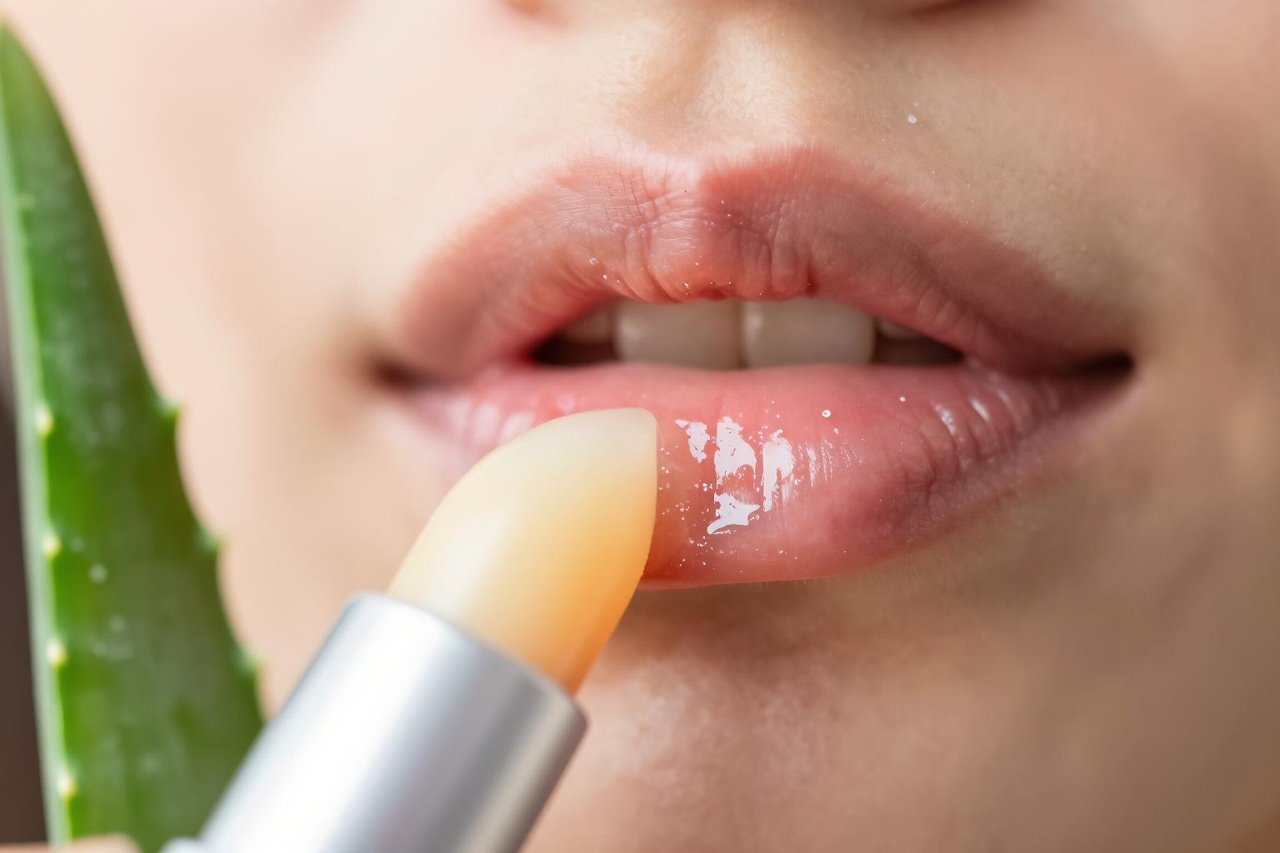
Instead, use the wet-to-seal method. First, apply a water-based hydrator. Aloe vera gel, plain glycerin, or a hyaluronic acid serum tied to your skin care routine works well. Let it absorb for about 20 seconds. Then, immediately apply a thicker occlusive product like shea butter, lanolin, beeswax, or petroleum jelly. This second layer traps the water inside.
If you use aloe vera gel, make sure it’s at least 99% pure, without added alcohol. You can learn how to use aloe vera for the rest of your skin in a similar step-by-step aloe vera skin routine.
I apply this wet-to-seal combo three times a day: once in the morning, once after lunch, and once just before bed. It takes less than a minute each time.
Step 4: Never Skip SPF on Your Lips
The skin on your lips is thinner than the rest of your face and has no melanin to protect it from UV damage. Sunburned lips do not peel nicely; they crack, blister, and swell. And over time, sun exposure ages lips faster than any other part of your face.
Use a lip balm with SPF 30 built in. I keep one in my car and one in my jacket pocket so I never have an excuse. Apply it after your morning wet-to-seal layer, and reapply every two hours if you’re outside. On cloudy days, you can skip it unless you’re near snow, water, or sand, which reflect up to 80% of UV rays.
This step also matters under lipstick. When you’re applying lipstick for an event, do this same routine about 15 minutes in advance so the color doesn’t catch on flakes. It’s basically the lip version of the base layer you build in a beginner makeup routine.
Step 5: Give Your Lips an Overnight Repair Treatment
While you sleep, your lips lose moisture at a faster rate than almost anywhere else on your body. That’s why you often wake up with cracked lips even if you applied balm before bed.
Choosing the Right Overnight Occlusive
Use a thick, heavy layer of an ointment or overnight lip mask. Lanolin (a waxy substance from sheep wool) is my favorite because it holds multiple times its weight in water. Shea butter or plain petroleum jelly also work well. A pea-sized amount is enough to cover both lips generously.
If you don’t have a dedicated lip mask, a small dab of regular skin ointment works fine. Just make sure it contains no fragrance or flavor, since those encourage you to lick it off.
Three Mistakes That Will Ruin Any Lip Care Routine
Even a perfect routine fails if you keep making these mistakes. You’ve probably been told them before, but they bear repeating in the context of an actual routine.
- Licking your lips. Saliva evaporates and leaves behind digestive enzymes that break down skin. If your lips feel dry, apply your wet-to-seal layer instead of licking them.
- Peeling the skin. It’s satisfying, but it removes living tissue and opens the door to infection. Let the scrub and cloth do the work.
- Using flavored balms. Artificial flavors and sweeteners trigger a licking reflex, which undoes all your progress. Choose plain or mildly minted balms, or use unscented ointment at night.
Notice that none of these involve expensive products. Consistency and technique matter far more than the price of the jar.
What to Do If Your Lips Still Peel After a Week
If you’ve followed the routine for seven full days and your lips are still flaking, stop all exfoliation and back off to just cleansing and the wet-to-seal method. You might be dealing with a contact allergy from a lipstick, toothpaste, or even a lip balm ingredient like lanolin.
Switch every product touching your lips to a simple, fragrance-free ointment for four days. If the peeling stops, reinstate one product at a time until you find the culprit. If it doesn’t stop, see a dermatologist. Persistent peeling can be a sign of a fungal infection, a vitamin deficiency, or a condition like actinic keratosis.
In my case, the routine worked because I stopped tearing off the flaky bits and started letting the layers soften and lift on their own. That’s the secret of any good lip care routine: it works with your skin’s natural cycle, not against it. It’s not flashy or quick-fix, but it’s the most reliable way I’ve found to keep lips soft through winter, summer, and every dry plane ride in between.


