
Table of Contents
Why These 7 Coins Stand Out in a Crowded Market
The crypto market moves fast. One day a coin is flying high, the next it’s crashing. But amid the noise, a handful of projects have proven their staying power. Whether you’re new to crypto or a seasoned investor, these seven coins offer a mix of stability, innovation, and growth potential that’s hard to ignore.
I’ve been watching the market for years, and I’ve learned that the best investments aren’t the flashiest. They’re the ones with real use cases, strong communities, and teams that deliver. Let’s get into the list.
1. Bitcoin (BTC): The Gold Standard
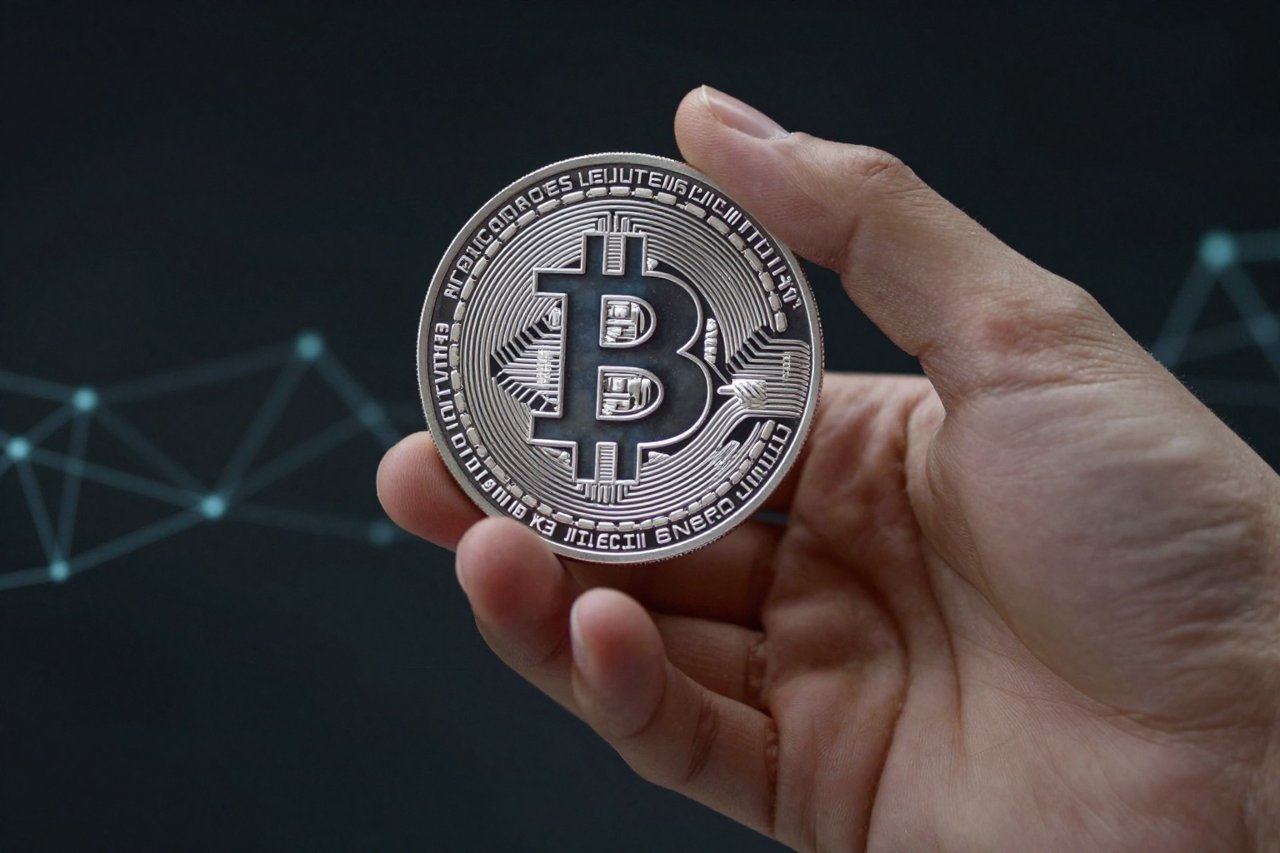
Bitcoin needs no introduction. It’s the first cryptocurrency, the most valuable, and the one that every other coin is measured against. But is it still a good investment? Absolutely.
Why Bitcoin Matters
Bitcoin’s limited supply of 21 million coins makes it a hedge against inflation. Institutional investors are piling in, and companies like MicroStrategy and Tesla have added BTC to their treasuries. Even regulators are starting to treat it more like a commodity than a security.

One thing to watch is the growing debate around Bitcoin treasury strategies. Recent updates from Ark Invest and Peter Schiff highlight the risks and rewards of corporate Bitcoin holdings. It’s a nuanced discussion that every serious investor should follow.
2. Ethereum (ETH): The Smart Contract King
Ethereum is more than just a cryptocurrency. It’s a global computer that powers thousands of decentralized applications (dApps), from DeFi to NFTs. The transition to proof-of-stake in 2022 made it more energy-efficient and set the stage for future upgrades.
What Makes Ethereum Special
Ethereum’s network effects are massive. Most DeFi protocols run on Ethereum, and new projects still choose it as their home. The upcoming Dencun upgrade promises to lower transaction fees even further, which could spark another wave of adoption.
If you’re looking for a coin with a long track record and a clear roadmap, Ethereum is a solid choice.
3. Solana (SOL): Speed and Low Fees
Solana is Ethereum’s biggest competitor. It processes thousands of transactions per second at a fraction of the cost. That speed has attracted a vibrant ecosystem of games, NFTs, and DeFi protocols.
Risks and Rewards
Solana has faced network outages in the past, but the team has worked hard to improve stability. Recent updates have made the network more resilient. For investors who believe in mass adoption, Solana’s scalability is a huge plus.
Remember the dot-com boom? It feels like 1999 again with crypto, but Solana’s focus on real-world performance sets it apart from many hype-driven projects.
4. Chainlink (LINK): The Oracle Powerhouse
Smart contracts need real-world data to work. That’s where Chainlink comes in. It’s a decentralized oracle network that feeds accurate data to blockchains, powering everything from price feeds to weather data.
Why Chainlink Is Essential
Chainlink is already the industry standard for oracles. It’s used by major projects like Aave, Synthetix, and even traditional financial institutions. With the rise of DeFi and tokenized assets, demand for reliable oracles will only grow.
This isn’t a coin that pumps on hype. It’s a quiet workhorse that’s become indispensable.
5. Polygon (MATIC): Scaling Ethereum
Ethereum’s high fees have been a pain point for years. Polygon fixes that by providing a layer-2 scaling solution that’s fast and cheap. It’s compatible with Ethereum, so developers can move their apps over easily.
Adoption Is Key
Big brands like Meta (Instagram), Starbucks, and DraftKings have built on Polygon. That kind of real-world adoption is rare in crypto. As more companies explore blockchain, Polygon is well positioned to be their on-ramp.
6. Avalanche (AVAX): Speed and Subnets
Avalanche is another Ethereum competitor, but it takes a different approach. It uses multiple blockchains (subnets) to handle different tasks, which makes it incredibly fast and customizable.
The Subnet Advantage
Subnets allow developers to create their own blockchains with custom rules. This is a big deal for enterprise use cases like gaming, supply chain, and finance. Avalanche’s ecosystem is growing quickly, and its low fees make it attractive for high-volume applications.
7. Polkadot (DOT): Interoperability
Polkadot’s goal is to connect different blockchains so they can share data and assets. It’s like a internet of blockchains. This interoperability is crucial for the future of Web3.
Why It Could Be a Long-Term Winner
Polkadot’s parachain auctions have attracted a diverse range of projects. The network is designed to be upgradeable without hard forks, which means it can evolve over time. For investors who think big picture, DOT is a bet on a multi-chain future.
How to Build a Crypto Portfolio
Now that you know the coins, how do you actually invest? Start with the blue chips: Bitcoin and Ethereum should make up the core of any portfolio. Then allocate smaller amounts to high-growth plays like Solana, Chainlink, and Polygon.
- Diversify – Don’t put all your money in one coin. Spread risk across different sectors.
- Do your own research – Read whitepapers, follow the teams on Twitter, and join community Discord servers.
- Use dollar-cost averaging – Invest a fixed amount every week or month to smooth out volatility.
- Store securely – Use a hardware wallet for long-term holdings.
And remember, crypto is still a high-risk asset. Never invest more than you can afford to lose. The market can be wild, but the projects above have the fundamentals to survive and thrive.
As for the broader economic landscape, it’s worth considering how crypto fits into a world of rising inequality. Some argue that crypto offers an escape from the permanent underclass. Whether that’s true or not, having a stake in this new asset class gives you options.


