
Table of Contents
Nature is a brilliant marketing word. It sells serums, balms, and £4 tubes of “botanical” gel as easily as a £90 cream. The useful question is not whether an ingredient sounds wholesome, but whether it has a track record on skin. The top 7 skincare ingredients found in nature do. They are not magic, and none replaces sunscreen or a prescription if you need one. Used sensibly, they hydrate, calm, smooth, and support the barrier without a ten-step ritual. Every season brings a new batch of plant-based launches, like the 47 January beauty and style launches to kick off 2026, but a pretty label is not proof. These seven have earned a place.
1. Aloe Vera: The Cooling Gel That Earns Its Keep
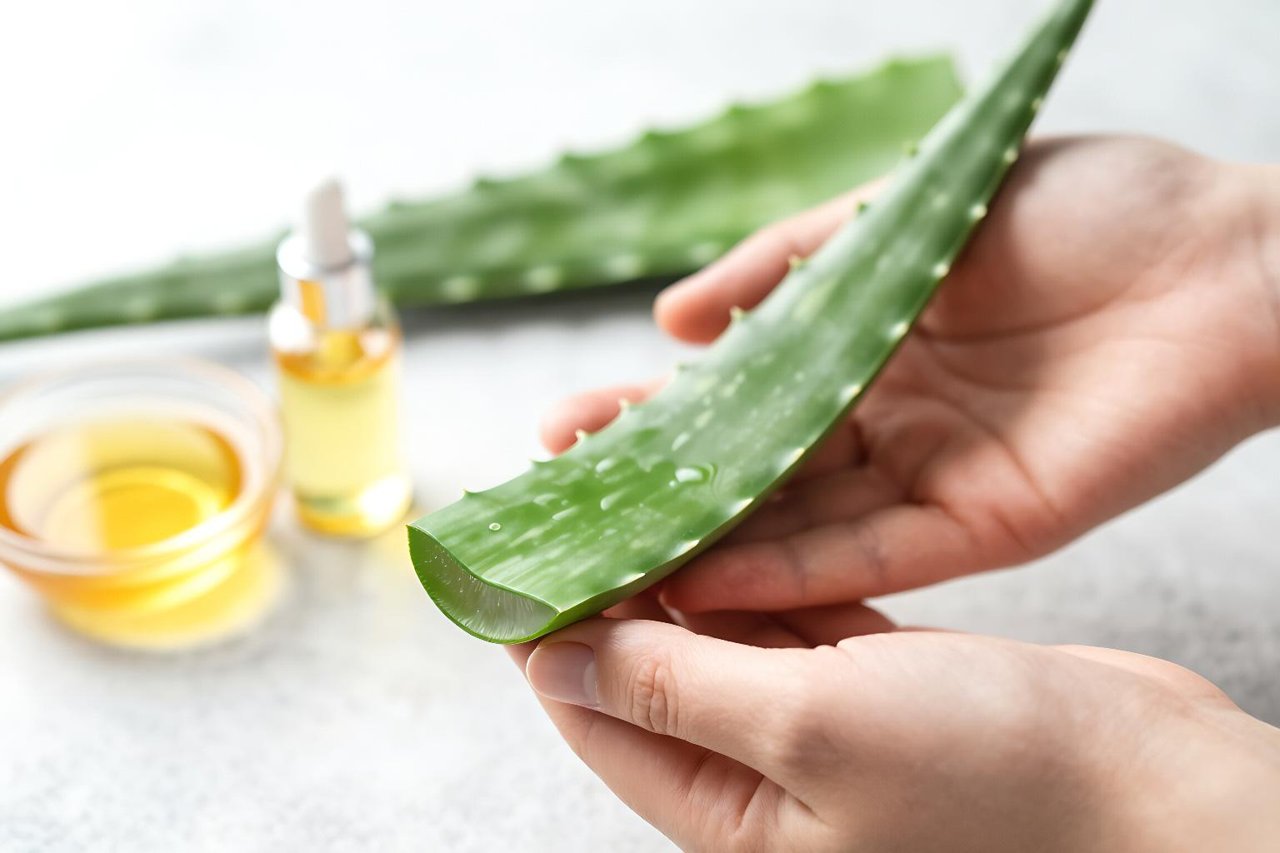
Aloe vera gel is about 99% water, which explains why it feels so good on hot, tight, or freshly waxed skin. The polysaccharides help hold moisture at the surface, and the gel has a mild anti-inflammatory effect. It is not a complete moisturizer on its own, though. Water evaporates, and aloe alone will not lock it in.
How to use it
Look for aloe barbadensis leaf juice near the top of the ingredient list, not “aloe fragrance” at the bottom. Smooth a thin layer onto damp skin after cleansing, then follow with a cream or oil. For sunburn, keep it in the fridge first. The cold does as much for comfort as the gel.
2. Tea Tree Oil: Strong, Effective, and Easy to Overdo
Tea tree oil, or melaleuca alternifolia oil, has real evidence behind it for mild to moderate acne. A 5% tea tree gel has been compared with 5% benzoyl peroxide in small trials: it worked more slowly, but with fewer side effects like dryness and stinging. That makes it a reasonable option for sensitive skin that cannot tolerate peroxide.

Neat tea tree oil is another story. It can burn, irritate, and trigger contact dermatitis. Stick to formulated products or dilute one drop in 10 ml of carrier oil. Do not add it to a full bottle of moisturizer, because you cannot control the final percentage.
Where it fits
Use a 5% gel as a spot treatment at night, or choose a tea tree cleanser if your skin is oily but not reactive. If you are layering treatment under makeup, our guide to choosing makeup for acne-prone skin without making breakouts worse is a useful next read. Skip tea tree entirely if you have eczema or rosacea.
3. Manuka Honey: More Than a Sticky Sweetener
All honey is humectant, meaning it draws water into the skin. Manuka honey also contains methylglyoxal, the compound behind its antibacterial reputation. In skincare, it appears in cleansers, masks, and balms, often at 5% to 10%. The UMF number on a jar refers to antibacterial activity; UMF 10+ is a sensible benchmark for a treatment mask.
A sensible use
Spread a thin layer of manuka honey over clean skin, leave it for 10 minutes, and rinse with lukewarm water. It softens dry patches and calms redness, though it will not cure acne. Do not use kitchen honey on open wounds or burns. Medical-grade honey is sterilised; the jar in your cupboard is not.
It is sticky, so apply it over the sink and keep hair tied back. If you have sensitive skin, patch test first. Honey can sting on broken skin.
4. Jojoba Oil: The Wax Ester Your Skin Recognizes
Jojoba is not really an oil. It is a liquid wax ester, and its structure is close to human sebum. That is why it sinks in faster than many plant oils and feels less greasy. It is rich in vitamin E and works well for makeup removal, scalp massage, and sealing moisture into dry cheeks.
How to apply it
Use two or three drops on damp skin after serum, or massage a teaspoon over dry skin before removing makeup with a warm, damp cloth. Cold-pressed jojoba is golden and has a faint nutty smell. If you are acne-prone, start with a small amount on one area and give it two weeks. “Non-comedogenic” is a useful label, not a guarantee for every face.
5. Shea Butter: Rich, Reliable, and Best in Small Doses
Shea butter is pressed from the nuts of the shea tree and is loaded with stearic and oleic acids, plus vitamins A and E. It is occlusive, which means it forms a breathable film that slows water loss. That makes it excellent for elbows, heels, cuticles, and winter windburn. On the face, it can be too heavy, especially in a humid climate or on oily skin.
Unrefined shea has a nutty scent and an ivory colour; refined shea is smoother and odourless. Neither is “better” for everyone. If you prefer a finished formula, the Natura Bissé Diamond Cocoon & Essential Shock review covers a luxury line that leans on rich, barrier-friendly textures. For a simple balm, look for shea butter listed within the first five ingredients.
Who should skip it
If you are prone to closed comedones or fungal acne, test shea on your jawline before spreading it across your cheeks. It is not a treatment for acne. It is a comfort ingredient, and comfort matters when skin is dry and irritated.
6. Green Tea: Antioxidant Support With a Calming Edge
Green tea contains EGCG, a polyphenol with antioxidant and soothing properties. Topical green tea extracts have been studied for redness, sebum, and barrier support. The evidence is promising rather than dramatic. You will not see overnight changes, but a green tea serum can be a pleasant, lightweight layer for reactive skin.
Pair it with sun protection
Antioxidants help neutralise free radicals from UV and pollution, but they do not replace sunscreen. If you are choosing a daily SPF, these top 7 things to check before buying sunscreen go beyond the SPF number. Look for camellia sinensis leaf extract high in the ingredient list, and store the product away from direct sun. Green tea formulas fade faster than plain moisturisers.
A chilled tea bag on puffy eyes is a nice five-minute fix. It is not a substitute for sleep, and it will not fix under-eye bags caused by genetics.
7. Rosehip Seed Oil: The Gentle Brightener
Rosehip seed oil comes from the seeds of Rosa canina. It is high in linoleic acid, which is often low in acne-prone skin, and it contains small amounts of trans-retinoic acid. That last point gets exaggerated online. Rosehip is not a retinol serum, and it will not resurface skin like prescription tretinoin. It can, however, soften dry patches and give dull skin a little bounce.
Best time to use it
Press three or four drops into skin at night, after any water-based serum and before moisturiser. Buy it in a dark glass bottle and use it within six months of opening. Rosehip oil oxidises quickly; if it smells like old nuts, bin it. Patch test behind the ear for 48 hours if your skin is reactive.
How to Use Natural Ingredients Without Wrecking Your Skin
Natural does not mean gentle. Poison ivy is natural. Essential oils can cause burns, citrus juices can make skin photosensitive, and “clean” labels can still hide irritants. A few habits keep the risk low:
- Patch test first. Apply a small amount behind the ear or on the jawline for 48 hours before using it on your face.
- Introduce one product at a time. Give it two weeks. If you start three new things at once, you will not know which one caused the breakout.
- Respect dilution. Essential oils belong in formulas at 1% to 2%, not neat on skin. Tea tree is not a spot treatment straight from the bottle.
- Store oils properly. Keep them in a cool, dark cupboard. Heat and light speed up oxidation.
- Do not DIY prescription strength. A kitchen mask is not a dermatology appointment. If you have persistent acne, rosacea, or eczema, see a professional.
Start with one ingredient that matches your main concern: aloe for irritation, tea tree for occasional spots, shea for dry patches, green tea for redness. Use it consistently for a month, not for two days. Your skin does not need a rainforest on the label. It needs a short list of things that suit it, and a sunscreen you will actually wear.


