
Table of Contents
You’ve seen the viral before-and-afters and probably rolled your eyes at the “just walk more” advice from people who haven’t touched a dumbbell since high school. But here’s the truth: walking for weight loss is not a fitness influencer fantasy. It’s the quiet, unglamorous workhorse that burns fat, builds endurance, and fits into a schedule that doesn’t include 90-minute gym sessions. The catch? You have to do it with intention, add a little intensity, and stop undoing all that effort with mindless snacking.
Why Walking Works (It’s Not Just About Calories)
At its core, losing weight is about a caloric deficit—burning more than you eat. Walking helps you create that deficit, but it also does something more valuable: it improves how your body uses energy. Regular walks increase your insulin sensitivity, which means your body is better at shuttling carbs into your muscles instead of storing them as fat. It also lowers cortisol, the stress hormone that loves to hold onto belly fat.
And, unlike high-intensity exercise, walking doesn’t spike your appetite for hours afterward. A 2019 study in the journal Appetite found that a 60-minute walk led to less hunger and more satiety compared with an equal bout of high-intensity work. That’s a huge advantage when you’re trying to maintain a deficit.
The best part? It’s a legitimate form of NEAT (non-exercise activity thermogenesis). That’s all the movement you do outside of formal workouts—and for many people, walking is the biggest lever they can pull.

How Many Calories Does Walking Actually Burn?
Numbers matter, so let’s get specific. A 70 kg (154 lb) person walking at a brisk 5 km/h (roughly a 19-minute mile pace) burns about 280 calories per hour. That same person at 6 km/h bumps that number to nearly 350 calories. If you weigh more, you burn more; if you weigh less, you burn less—it’s proportional.
But there’s a smarter way to think about it than the total calories. A 2019 meta-analysis in Obesity Reviews looked at 12 studies and found that walking programs produced an average weight loss of 1.4 kg (3.1 lb) over 12 weeks without any dietary changes. That doesn’t sound dramatic, but the participants weren’t doing anything else. Add in a solid nutrition plan, and the results compound significantly.
For step counters: 10,000 steps is roughly 5 miles (8 km) and burns 400–500 calories for a typical adult. That’s the equivalent of a fast-food burger and fries. Step away from the fries, and you’ve got a real deficit.
The 3 Walking Workouts That Torch More Fat
Walking in a straight line at the same pace every day will plateau quickly. Instead, rotate these three methods throughout the week. They’re not complicated, but they’re effective.
1. Steady-State Zone 2 Walking
This is your baseline. Walk at a pace where you can still hold a conversation, but you’re slightly breathless. Aim for 45–60 minutes. This burns fat preferentially because it’s low enough intensity that your body taps into fat stores for fuel. It’s also the perfect recovery tool between harder sessions.
2. Interval Walking (The Speed Burst Method)
Warm up for 5 minutes, then alternate 1 minute of fast walking (you couldn’t sing but you could talk) with 2 minutes of easy recovery. Repeat 8–10 times. This spikes your heart rate, increases your EPOC (excess post-exercise oxygen consumption), and keeps your metabolism elevated for hours after you stop. A 2017 study found that interval walking led to greater reductions in waist circumference than continuous walking at the same perceived exertion.
3. Incline or Stair Walking
Treadmill incline or outdoor hills. Set the incline to 5–8% and keep your pace moderate. Walking uphill burns roughly 50% more calories per minute than flat walking. It also hammers your glutes and hamstrings, which is a nice bonus for your body composition. If you don’t have hills, a stairwell is a brutal, free alternative.
Should You Wear a Weighted Vest?
There’s a lot of hype around weighted vests for walking. They can indeed add resistance, increase energy expenditure, and even help with bone density—but only if you’re a seasoned walker. If you’re just starting out, adding 10 kg of extra load on your spine and joints is a surefire way to get injured and quit. Master your form and mileage first, then reconsider the vest.
How to Build a Walking Habit That Actually Lasts
Motivation is unreliable. Systems are what stick. Here’s how to make walking a default part of your day without needing willpower every morning.
- Attach it to an anchoring routine. Walk after your morning coffee or right after lunch. Your brain already knows the cue; just add the response.
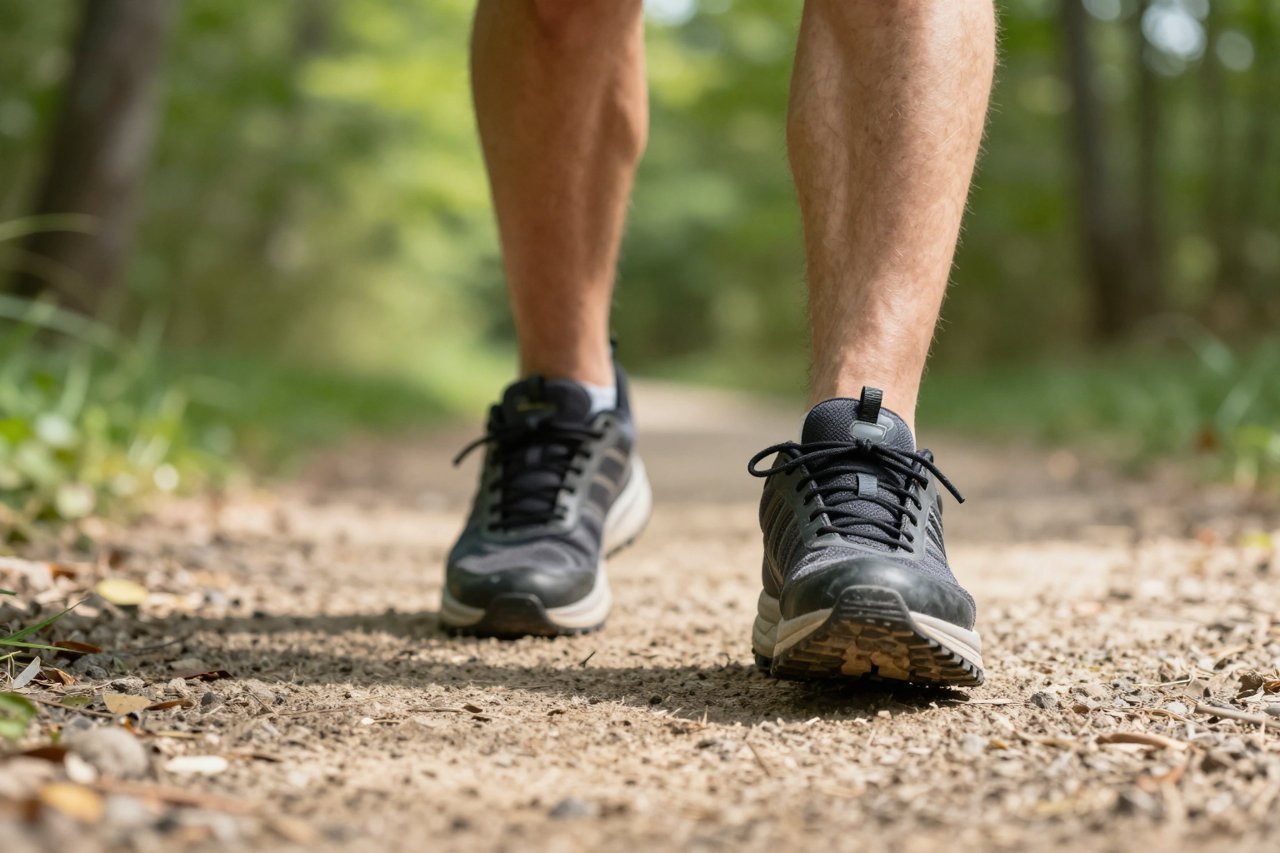
- Put your shoes by the door—visible. When there’s friction, you’ll skip. Remove it.
- Schedule it like a meeting. Block 30–60 minutes in your calendar. If it’s not on the calendar, it’s not real.
- Hide your phone in your pocket. Use it for music, not social media. Focus on breathing and posture, and the walk becomes a mental reset too.
If you’re a busy professional, you probably think you don’t have time. But you do—you just have to be strategic. Effective weight loss tips for busy professionals often boil down to short, high-yield walks: a 15-minute power walk on your lunch break, walking meetings, or parking at the far end of the lot. Every minute counts.
What to Eat (and Avoid) When Walking for Weight Loss
Here’s the part most walkers mess up: they eat back the calories they burn. A 40-minute walk burns about 200 calories. If you celebrate with a 600-calorie pastry, you’ll be in a surplus. That’s not a moral failing; it’s just math. The only weight loss diet guide you’ll ever need (real science, real results) says it plainly: protein and fiber win. Lean protein, leafy greens, and whole grains.
Skip the sports drinks and gels—you don’t need them for a 5 km walk. Stick to water and real meals. And here’s a secret: a 20-minute walk after dinner doesn’t just aid digestion; it also makes you less likely to reach for that 10 pm snack because you’re out of the kitchen and engaged in something active.
The Realistic Weekly Walking Plan
No ifs, no buts. Here’s a week that balances fat burn, recovery, and consistency. It takes about 3.5 hours total—barely 0.4% of your week.
Monday: 30-minute interval walk (1 minute fast, 2 minutes easy)
Tuesday: 50-minute steady-state walk at a conversational pace
Wednesday: 30-minute incline walk (treadmill set to 5%+) or stairs
Thursday: Rest day—but take a 10-minute easy stroll. Just move.
Friday: 40-minute interval walk again
Saturday: 60-minute long walk outdoors—park, trails, anywhere with terrain.
Sunday: Active recovery: 30 minutes very easy, or a light stretch walk with your dog.
This breaks down to roughly 4 hours and mixes intensities so your body never fully adapts. If you’re also doing strength training, the weight loss exercises that actually work include compound moves like squats and push-ups—doing those 2–3 times a week will only amplify your walking results by building muscle, which raises your resting metabolism.
Make the Scale Move (And Know When It Won’t)
Here’s what to expect in your first 30 days: you’ll drop 2–5 pounds quickly as glycogen and water flush out. Then it will slow down. Then you might hit a two-week plateau where the scale doesn’t budge, even though you’re doing everything right. Don’t panic. That’s typically water retention from muscle inflammation, or fat loss being masked by lean mass gain. Measure your waist, take photos, and check how your jeans fit. The scale is a liar sometimes.
If you want sustainable, long-term success, remember that weight loss that actually lasts: science, strategy, and sanity all involve constistency over perfection. Walking is not a gimmick. It’s not a 6-week cleanse. It’s a lifelong movement habit that keeps you lean, mentally sharp, and comfortable in your own skin.
So lace up your shoes today. Not next week, not because you’re forcing yourself—but because you’ve finally understood that the simplest tool in front of you is often the most powerful. Your future self, with clearer joints and a lighter mood, will thank you. And that’s a walk worth taking.


