
[ad_1]
For decades, scientists have hunted for the biological spark that ignites Alzheimer’s disease. A sweeping new review now points skyward: the air we breathe may be quietly reshaping the brain, even in childhood.
The report, published in the Journal of Alzheimer’s Disease by the Alzheimer’s Research and Prevention Foundation (ARPF), argues that air pollution and climate stress are major, yet modifiable, drivers of neurodegeneration, and that prevention must begin long before memory fades.
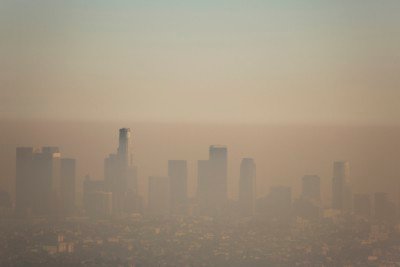
Led by Dr. Dharma Singh Khalsa of the ARPF with co-authors from UCLA and the California Institute of Integral Studies, the review weaves decades of neuroscience and environmental data into one urgent conclusion. Tiny particles from car exhaust, fires, and industrial emissions infiltrate the brain, triggering inflammation, oxidative stress, and abnormal protein buildup. The damage, they say, can start astonishingly early.
“Our findings suggest that Alzheimer’s may begin decades earlier than previously thought, perhaps even in children when individuals live in polluted environments,” said Dr. Khalsa. “But this research also offers hope: by combining evidence-based lifestyle medicine with environmental awareness, we can not only help ourselves now but also protect future generations.”
The Air We Breathe, The Brain We Build
The review cites pathology from one tragic case: an 11-year-old boy in Mexico City, one of the world’s most polluted regions, who died in a traffic accident but whose brain already bore the hallmark tangles of Alzheimer’s. Such evidence, Khalsa and colleagues argue, expands the disease’s timeline and the scale of global risk. Airborne toxins, heavy metals, and microplastics, they note, can cross the blood-brain barrier, disturb neurotransmitters like acetylcholine and dopamine, and accelerate cognitive decline.
Climate stress compounds the threat. Rising heat, wildfires, and chronic air contamination may also fuel depression and anxiety, which themselves increase dementia risk. Psychological distress tied to environmental loss is now so common that researchers have named it eco-anxiety. These overlapping pressures, the authors write, demand an integrated medical and planetary response.
The biological pathways are diverse but interconnected. Protein misfolding, vascular injury, and neurotransmitter depletion each weaken neural resilience. Over time, the same invisible pollutants that cloud the sky can cloud the mind.
A Preventive Prescription
Instead of fatalism, the paper offers a science-based prevention plan. Drawing on major lifestyle trials such as Finland’s FINGER study and the Ornish program, the ARPF model blends diet, physical and cognitive exercise, stress management, sleep hygiene, and what Khalsa calls spiritual fitness. Its foundation rests on the idea that what heals the brain also heals the planet.
Brain-protective nutrition, for instance, mirrors environmentally sustainable eating: Mediterranean-style meals rich in greens, legumes, and omega-3s. Regular movement, yoga, and mindfulness practices reduce cortisol and inflammation while improving circulation and emotional stability. The plan also emphasizes adequate sleep, which supports the brain’s glymphatic system for clearing toxins.
“This article bridges environmental neuroscience and lifestyle medicine,” said co-author Dr. Helen Lavretsky. “It offers a holistic model for Alzheimer’s prevention that also benefits the planet.”
Behind its calm tone, the message is urgent. The authors call on physicians to see climate change not as a distant environmental issue but as a neurological emergency already affecting their patients. As fires, microplastics, and air pollution intensify, the paper argues that global policy must align with personal behavior—less combustion, more compassion.
Founded in 1993, the ARPF has long championed brain longevity through meditation, cognitive training, and community education. Its latest work widens that mission to include ecological consciousness. By linking the health of the planet with the health of the mind, the authors hope to inspire both preventive medicine and collective environmental care.
As the review concludes, reducing pollution and cultivating spiritual resilience are two sides of the same survival strategy. A clean atmosphere may be our most powerful form of cognitive protection.
Journal of Alzheimer’s Disease: 10.1177/13872877251386482
If our reporting has informed or inspired you, please consider making a donation. Every contribution, no matter the size, empowers us to continue delivering accurate, engaging, and trustworthy science and medical news. Independent journalism requires time, effort, and resources—your support ensures we can keep uncovering the stories that matter most to you.
Join us in making knowledge accessible and impactful. Thank you for standing with us!
[ad_2]
Source link


