

Table of Contents
[ad_1]
Walk into any gym and you will see it. The fittest person in the room often draws attention. Defined muscles, impressive lifts, a list of personal records that turn heads. It is easy to assume that those accomplishments automatically make someone an exceptional personal trainer.
But clients don’t hire you to admire your achievements, they hire you to change their lives.
As a trainer, it is not your personal records, the way you look, or what you have accomplished athletically that makes a difference in your clients’ lives. It is how you coach them so they can change their own lives. That is what matters.
Clients do not succeed because their trainer has a history of personal wins. They succeed when they have a trainer who can help them find their own wins. Clients care more about what you can help them do than what you can do.
Coaching skills are the foundation of sustainable results, strong client relationships, and a thriving career. Still not so sure? Let’s get into it.
The Myth of the Perfect Physique
The fitness industry has long celebrated visible results. Social media amplifies highlight reels. Transformation photos, max lifts, and competition medals dominate feeds.
While there is nothing wrong with being proud of your accomplishments, those achievements do not automatically translate into effective coaching and communication skills. A personal trainer with an elite squat does not necessarily know how to help a busy parent build a consistent routine. A marathon finisher may not know how to support a client who struggles with motivation after a stressful workday.
Many aspiring professionals believe that the skills required to be a personal trainer are primarily technical and physical. They focus on mastering anatomy, program design, and performance metrics. Those are important. But they are only part of the equation.
The skills needed to be a personal trainer go far beyond counting reps and correcting form. They include empathy, active listening, motivational interviewing, leadership and coaching skills, and the ability to guide behavior change outside the gym walls.
Why Coaching Is Important in Personal Training
If you have ever wondered why coaching is important in personal training, consider this simple truth: workouts do not happen in a vacuum.
Clients bring their stress, habits, self-doubt, time constraints, and life responsibilities into every session. Even the most perfectly designed program will fail if it does not account for the human being following it.
Diane Vives, M.S., Senior Director of Health and Wellness Professional Education at AFPA, puts it this way:
“As a CSCS and personal trainer for 25+ years, I’ll always respect the craft of great coaching on the floor — smart assessment, precise exercise selection, and programming that’s progressive, individualized, and safe. But great programming alone isn’t what keeps people consistent through stress, setbacks, and changing seasons of life. That’s where coaching skills matter: building trust, creating a safe space to uncover real barriers, and guiding behavior change so the plan actually happens outside the gym.
When practical training expertise and health coaching skills work together, workouts become a pathway to sustainable results — and your fees become an investment clients understand, value, and stay for.”
That distinction is powerful. Programming builds capacity. Coaching builds consistency.
Consistency is what drives transformation.
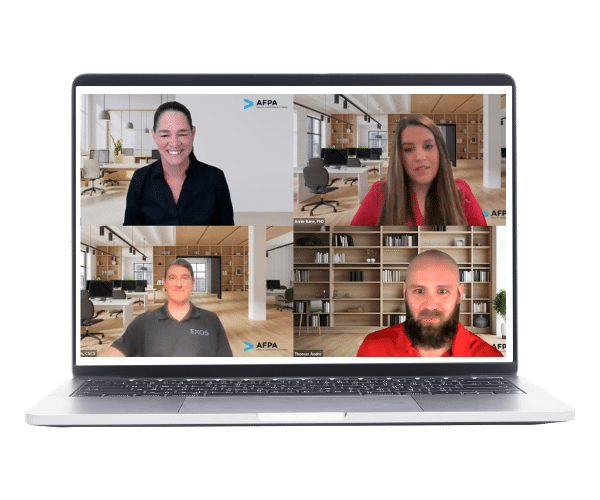
Learn what’s working right now for top personal trainers
Watch our free expert panel to uncover the latest tactics for getting clients, scaling your business, and thriving in 2025.
Coaching Skills Drive Behavior Change
Behavior change strategies in coaching are what bridge the gap between knowing and doing. Most clients already know that moving more and eating well are beneficial. The challenge is implementing those habits consistently in real life.
Effective coaching skills training teaches professionals how to:
- Ask powerful, open-ended questions
- Listen without judgment
- Help clients clarify their own goals
- Break large objectives into manageable steps
- Identify obstacles and create realistic solutions
- Reinforce progress in meaningful ways
These coaching and communication skills create ownership. Instead of telling clients what to do, you help them discover what works for them.
Shana Walsh, PhD, NBC-HWC, MCHES, AFPA’s Education and Curriculum Director, shares this insight:
“At the end of the day, being a great trainer isn’t about you, your records, or your personal fitness feats. It’s about your client, and how you can support them in reaching their goals. Some of the best trainers I’ve worked with aren’t the strongest or the leanest person in the room. They’re the ones who know how to coach in a way that helps clients grow into the best versions of themselves.”
This is the heart of personal training. Growth is not about replicating your path; it’s about helping someone design their own.
The Difference Between Instructing and Coaching
Instruction is telling someone what to do. Coaching is helping them understand why it matters and how to sustain it.
A trainer might say, “You need to work out four times a week.” A coach asks, “What would a realistic schedule look like for you this month?”
A trainer might correct a movement pattern. A coach explores what confidence means to the client in that moment.
Both roles are important. But coaching skills elevate instruction into transformation.
As Diane Vives explains:
“Great programming builds capacity. Great coaching builds consistency. The trainers who win in today’s fitness landscape deliver both — and that’s what turns workouts into lasting results and a business clients stay loyal to.”
Personal Records Do Not Equal Client Results
There is a common misconception that clients are primarily impressed by a trainer’s personal achievements. In reality, most clients are a lot more interested in whether you understand their struggles.
A new mother may not care about your deadlift PR. She cares about regaining energy and strength. A corporate executive may not be interested in your bodybuilding competition. He wants to reduce stress and feel better during long workdays.
Clients often want relatability, not perfection.
When you focus too heavily on your own accomplishments, you risk unintentionally creating distance. Clients may feel intimidated or discouraged if they believe they can never measure up.
True leadership and coaching skills close that gap. They communicate, “I am here to support you,” rather than, “Look what I can do.”
Shana Walsh offers a powerful reminder:
“If you ever start to question your own abilities, remember this: Simone Biles’ coach can’t do what Simone can do. Great coaching is about developing someone else’s potential, not proving your own.”
This perspective reframes success. Your value is measured by your client’s growth, not your performance.
Coaching Skills and Client Retention
Client retention is one of the clearest indicators of how to succeed as a personal trainer. Technical expertise may attract a client initially but coaching skills keep them engaged.
When clients feel heard, understood, and supported, they are more likely to:
- Show up consistently
- Communicate openly about challenges
- Stay committed through plateaus
- Refer friends and family
Strong coaching and communication skills create trust and trust creates loyalty.
In contrast, a trainer who focuses solely on performance metrics may struggle to retain clients who encounter life disruptions. Illness, travel, family changes, and career shifts all affect consistency. Without coaching skills to navigate those changes, even the most dedicated client may drift away.
Coaching allows you to adapt and reframe setbacks as learning opportunities rather than failures.
The Role of Personal Trainer Certification
A personal trainer certification provides essential foundations in anatomy, physiology, and program design. These competencies are critical. They ensure safety and effectiveness.
However, the modern fitness professional must go beyond technical mastery. Today’s clients expect holistic support.
The skills required to be a personal trainer include:
- Emotional intelligence
- Active listening
- Goal-setting facilitation
- Accountability structures
- Understanding behavior change strategies in coaching
- Professional boundaries and ethical practice
Look for high-quality programs that include these additional coaching skills. Integrating health coaching principles with traditional fitness programming equips you to address the whole person.
This comprehensive approach strengthens both outcomes and credibility.
How to Improve Coaching Skills
If coaching is so central to success, how can professionals actively strengthen it?
First, recognize that coaching is a skill set, not a personality trait. You do not have to be naturally extroverted or charismatic to be effective. You simply need intention and practice.
To improve coaching skills, focus on three core areas:
1. Deep Listening
Practice listening without immediately offering solutions. Allow clients to fully express concerns. Reflect back what you hear. (This builds trust and clarity!)
2. Thoughtful Questioning
Ask questions that invite exploration rather than yes or no responses. For example, “What would success look like for you three months from now?” encourages ownership.
3. Behavior Change Integration
Incorporate small, achievable habit shifts. Celebrate incremental progress. Reinforce autonomy. Behavior change strategies in coaching emphasize sustainable adjustments over dramatic overhauls.
These shifts may seem subtle but they can help transform your role from instructor to trusted guide.
Leadership and Coaching Skills in Action
Every session is an opportunity to demonstrate leadership and coaching skills.
Leadership in fitness is about influence. It is the ability to inspire belief in someone who may not yet believe in themselves.
Consider a client who feels discouraged after missing workouts. A purely technical response might adjust the program. A coaching-oriented response explores what made consistency difficult and collaborates on a realistic plan moving forward.
That collaborative mindset empowers clients and positions them as active participants in their journey.
When clients feel empowered, they are more resilient. When they are more resilient, they achieve more meaningful results.
Building a Career on Coaching Excellence
For professionals wondering how to succeed as a personal trainer in a competitive market, the answer is clear: develop exceptional coaching skills.
Technical knowledge is widely available. Online workouts and apps can deliver programming at scale. What cannot be automated is human connection.
Your ability to build rapport, inspire action, and guide behavior change differentiates you from digital alternatives.
Coaching transforms workouts into relationships. Relationships build reputation. Reputation builds businesses.
The Future of Personal Training
The fitness industry continues to evolve. Hybrid models, virtual sessions, and integrated wellness services are becoming standard.
In this environment, the personal trainer skills that stand out are those centered on adaptability, empathy, and communication.
When practical training expertise and health coaching skills work together, workouts become a pathway to sustainable results. Clients see their investment as worthwhile. They stay.
That is the future of fitness. Sustainable, relationship-driven, results-focused.
Redefining Success as a Trainer
It is natural to take pride in your own strength and discipline. Those experiences may even shape your passion for helping others.
But your success as a personal training coach is not defined by your physique or your personal best.
It is defined by:
- The client who runs their first 5K after believing they never could
- The individual who lowers blood pressure through consistent habits
- The parent who gains energy to play with their children
- The professional who feels confident stepping into leadership roles
You probably get the idea. These wins belong to your clients! Your role is just to facilitate them. When you shift the spotlight from your achievements to theirs, everything changes.
You move from performer to mentor. From instructor to coach. From expert to partner in growth.
And that’s where real impact lives.
TL;DR: Coaching Skills Transform Lives
Personal records can inspire and demonstrate discipline and experience, but coaching skills are what transform lives. They are what help clients navigate setbacks, build trust, and turn short-term motivation into long-term consistency.
If you want to know how to succeed as a personal trainer, invest in developing your coaching and communication skills and deepen your understanding of behavior change strategies.
When you focus on helping clients find their own wins, you elevate both your impact and your profession.
Grow Your Income and Impact as a Personal Trainer and Board-Certified Health Coach

Reviewed by
Diane Vives, M.S.
Senior Director, Health & Wellness Professional Education
[ad_2]
Source link


