
Table of Contents
[ad_1]
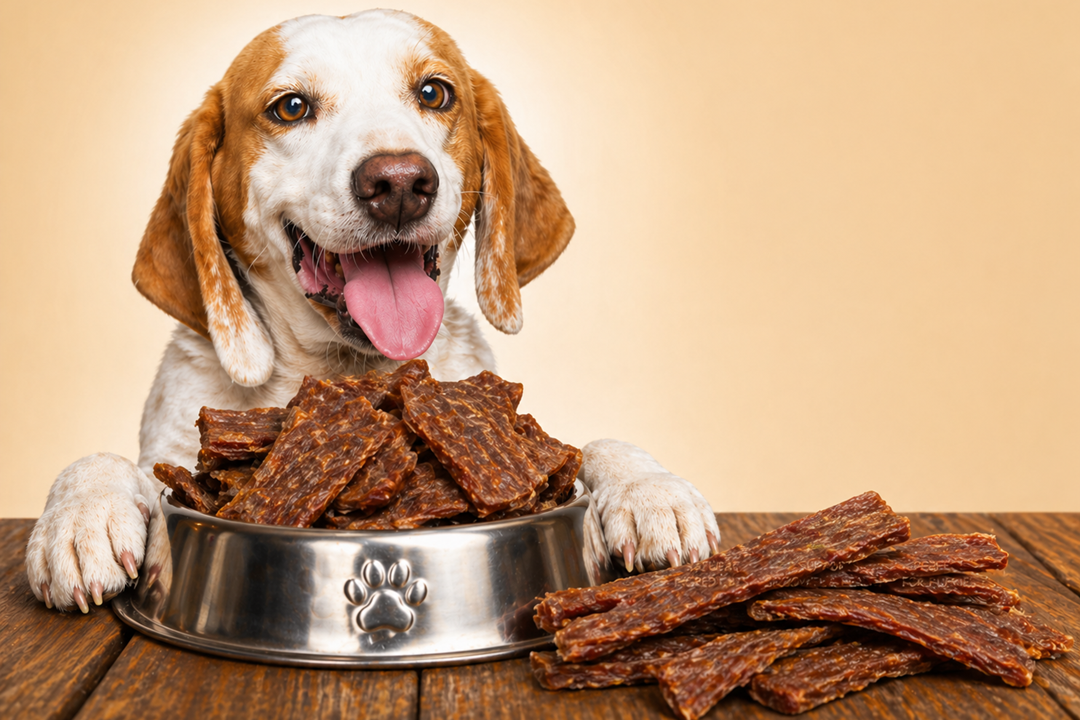
Jerky treats have become a staple in Indian pet homes. They smell incredible, dogs love them, and they work beautifully as high-value training rewards. But jerky has also made news headlines for all the wrong reasons, from FDA warnings to pet illness reports linked to imported batches.
So, are jerky treats actually safe and nutritious for your dog? The short answer is yes, when you choose carefully. This guide breaks down what jerky is made of, how it affects your dog’s health, what to watch out for, and how to pick the safest, most nutritious options available in India.
What Are Jerky Treats?
Jerky treats are thin strips of meat, slowly dried at low temperatures to remove moisture while concentrating flavour. Quality jerky contains a single ingredient, real meat, and nothing else. Cheaper, mass-produced versions may include starch binders, preservatives, flavour enhancers, sugar, and synthetic colours.
Common types in India include chicken jerky, mutton jerky, fish jerky, liver jerky, and occasionally duck or rabbit for allergy-friendly diets. Sizes range from thin strips to small bite-sized cubes, and many brands now offer puppy-specific soft jerky varieties.
Jerky is dehydrated meat, which means most of its water is gone. That makes it shelf stable, lightweight, and intensely flavourful. It also makes it calorie dense, so portion control matters more than with soft chewy treats.
Nutritional Profile of Jerky Treats
Good quality jerky is a protein powerhouse. On average, pure meat jerky contains:
-
40 to 60 percent protein by weight
-
2 to 10 percent fat, depending on the meat used
-
Very low carbohydrates and zero added sugar in single-ingredient versions
-
Natural minerals like iron, zinc, and phosphorus
-
Low to moderate sodium, depending on processing
Chicken jerky is leaner and lighter, making it ideal for daily rewards. Liver jerky is nutrient dense and rich in vitamin A, best used sparingly. Fish jerky adds omega-3 fatty acids that support coat shine and joint health. Mutton jerky offers richer flavour and higher iron content.
Pure jerky has no grain, gluten, or filler. This makes it naturally grain free and suitable for dogs with food sensitivities. The catch is calorie density. A 10-gram jerky strip can carry 30 to 50 calories, which adds up fast for small dogs.
Are Jerky Treats Safe for Dogs?
Safety has a nuanced answer. Pure, single-ingredient jerky from trusted brands is safe for most healthy dogs. It is clean, digestible, and provides concentrated nutrition.
However, the U.S. Food and Drug Administration has investigated thousands of illness reports linked to certain imported jerky treats, particularly those sourced from China. Affected dogs showed kidney issues, vomiting, and loss of appetite. While a single cause was never fully confirmed, the cases highlight real concerns about poorly regulated jerky production.
Problems usually come from:
-
Poorly dried or contaminated meat
-
Bulk unbranded jerky of unknown origin
-
Added propylene glycol or artificial preservatives
-
Excessive salt or glycerine used to extend shelf life
Safe jerky typically has clearly labelled country of manufacture, short clean ingredient lists, a reputable brand name, and sealed packaging with a clear expiry date. Call your vet if your dog shows vomiting, increased thirst, or lethargy after eating jerky, especially a new brand.
Benefits of Feeding Jerky Treats
When chosen carefully, jerky offers real benefits for dogs:
-
High protein content: Supports muscle strength and recovery
-
Grain free and allergy friendly: Single-ingredient options help manage sensitivities
-
Natural energy boost: Real meat is efficiently used by the body
-
Excellent training reward: Strong smell and taste grab attention in distracting environments
-
Long shelf life: Dehydrated jerky stays fresh in Indian humidity longer than raw meat
-
Portable: Easy to carry on walks, vet visits, or road trips
-
Highly palatable: Perfect for picky eaters or dogs recovering from illness
The American Kennel Club notes that dogs thrive on high-quality animal protein, and jerky delivers that in a concentrated, convenient form.
Risks and What to Watch For
Even safe jerky has limits. Watch for these risks:
-
Overfeeding: Jerky is calorie dense. Too much leads to weight gain quickly.
-
Dehydration: Dry treats pull water from the body. Keep fresh water available.
-
Allergic reactions: Watch for itchy ears, paw licking, or stomach upsets with new proteins.
-
Excess sodium: Some cheap jerky uses high salt levels that can affect heart and kidney health.
-
Choking hazard: Large, tough pieces may lodge in throats of small dogs.
-
Imported contamination: Bulk imported jerky from unknown sources carries higher risk.
The ASPCA warns that ingredients like xylitol, chocolate, and certain seasonings are toxic to dogs. Flavoured jerky may sneak these in, so always read the label carefully.
How to Choose Safe, Nutritious Jerky
Picking the right jerky is simpler than it sounds. Follow this quick checklist:
Ingredients
-
Single ingredient or very short list
-
Named meat source like chicken, mutton, or fish
-
No added sugar, salt, or artificial colours
-
No BHA, BHT, ethoxyquin, or propylene glycol
Brand and packaging
-
Indian-made or sourced from regulated markets
-
Trusted brand with transparent manufacturing
-
Clear batch number, manufacturing date, and expiry
-
Sealed packs that feel dry, not greasy
When in doubt, choose single-ingredient Indian or premium international brands over unbranded bulk jerky from open bins.
Homemade Jerky: A Safer Route
If you want total control, homemade jerky is a great option and surprisingly easy to make.
-
Choose lean meat: chicken breast, mutton, or fish fillet
-
Slice thinly, about 5 to 7 mm thick
-
Remove visible fat to prevent spoilage
-
Place on a baking tray or dehydrator rack
-
Dry at 70 to 80 degrees Celsius for 4 to 6 hours
-
Cool completely before storing in an airtight jar
Do not add salt, oil, spices, onion, or garlic. Homemade jerky should be plain and simple. Store in the fridge during Indian summers and monsoons. Use within 2 to 3 weeks for best freshness.
How Much Jerky Is Safe Daily?
The general rule is the 10 percent treat guideline: keep all treats, including jerky, within 10 percent of your dog’s daily food intake.
Rough daily jerky portions by dog size:
-
Small breed (5 to 10 kg): 1 to 2 small strips
-
Medium breed (10 to 25 kg): 2 to 4 small strips
-
Large breed (25 kg plus): 3 to 5 small strips
-
Puppies over 4 months: 1 small strip only
Break larger pieces into training-sized bites to stretch usage and prevent overfeeding.
FAQs
Is jerky safe for puppies?
Pure, single-ingredient jerky made from chicken or fish is safe for puppies over 4 months old. Avoid salted, spiced, or preserved versions. Start with tiny pieces and watch for any digestive changes.
Can dogs eat human jerky?
No. Human jerky usually contains high salt, spices, and sometimes sugar, onion, or garlic powder. These are either toxic or harmful to dogs. Stick to jerky made specifically for pets or homemade plain jerky.
Is chicken jerky better than mutton jerky for dogs?
Chicken jerky is leaner and lower in calories, making it ideal for daily treats and small breeds. Mutton jerky is richer, higher in iron, and suits active or larger breeds needing more protein. Rotating both works well for most dogs.
How do I store dog jerky during monsoon?
Transfer jerky to airtight glass or food-grade plastic jars as soon as you open the pack. Add a silica gel packet to absorb humidity. During heavy monsoon months, store sealed jerky in the refrigerator. Discard any jerky that smells sour or looks oily.
Can jerky cause kidney problems in dogs?
Pure, well-made jerky does not cause kidney problems in healthy dogs. However, FDA investigations have linked certain imported, mass-produced jerky treats to kidney issues. Stick to trusted brands with clean ingredient lists and transparent sourcing to minimise risk.
Final Thoughts
Jerky treats are one of the best single-ingredient, protein-packed rewards you can offer your dog, when chosen carefully. Stick to clean brands or homemade batches, watch portion sizes, and store properly in Indian humidity. Used smartly, jerky becomes both a training power tool and a genuinely nutritious snack.
Browse PetsWorld’s dog treats and chews collection for safe, high-quality jerky options for your pet.
[ad_2]
Source link


