
Table of Contents
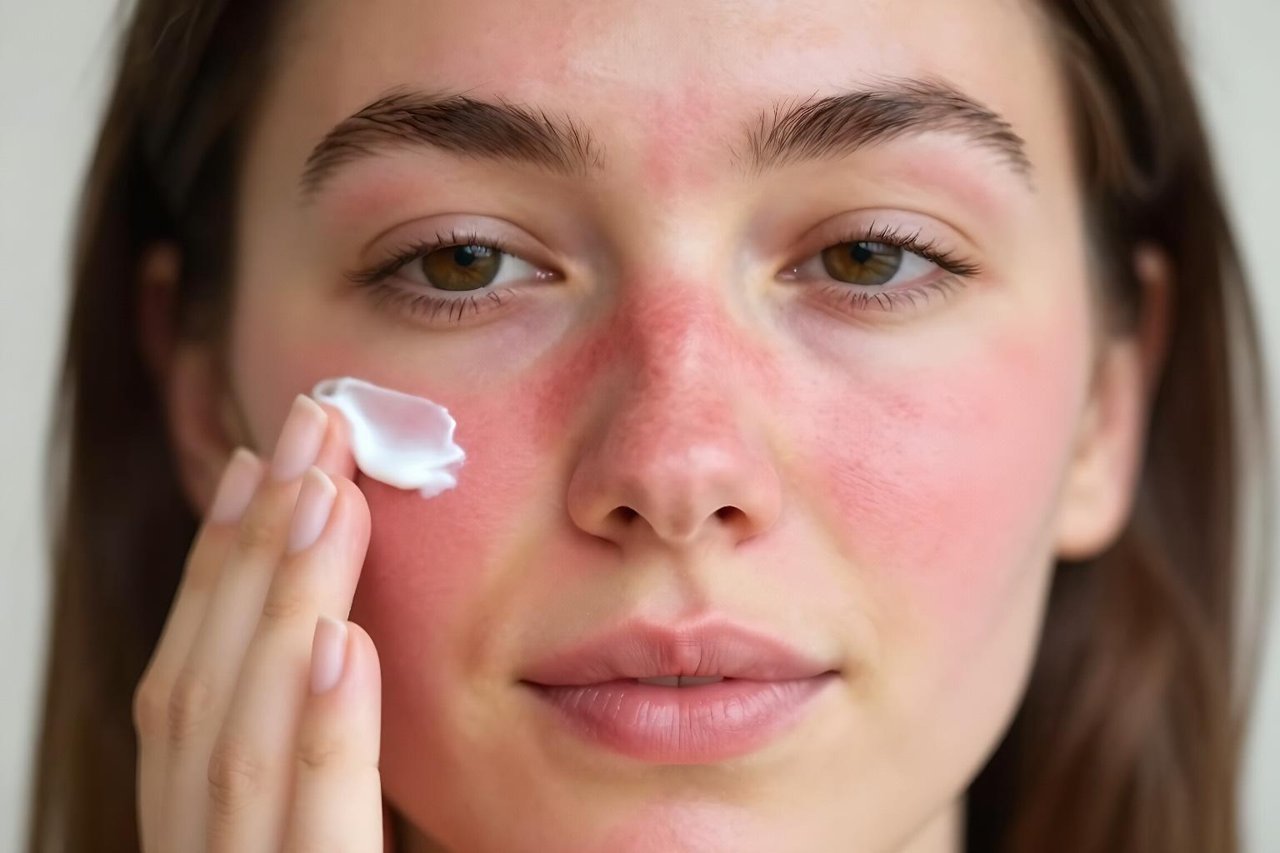
If you’ve ever looked in the mirror and seen persistent redness, visible blood vessels, or tiny pus-filled bumps on your cheeks, nose, or forehead, you might be dealing with rosacea. It’s a chronic skin condition that affects over 16 million Americans alone, and while there’s no cure, the right rosacea treatment can dramatically reduce flare-ups and keep your skin calm. The key is a multi-pronged approach: gentle skincare, trigger avoidance, and often medical intervention. Here’s what actually works, backed by dermatologists and real-world results.
1. Start with a Gentle, Targeted Skincare Routine
Harsh products are the enemy of rosacea-prone skin. Many over-the-counter cleansers and moisturizers contain alcohol, fragrances, menthol, or exfoliating acids that strip the skin barrier and trigger inflammation. Instead, build a routine around soothing, barrier-repairing ingredients.
Cleanse with Care
Use a non-foaming, creamy cleanser with ingredients like ceramides, niacinamide, or colloidal oatmeal. Avoid hot water—lukewarm is best. Pat dry (don’t rub) with a soft cotton towel. One study found that gentle cleansing alone reduced redness in 80% of participants after 4 weeks.
Moisturize Immediately
Apply a fragrance-free moisturizer within 60 seconds of washing to lock in hydration. Look for products containing shea butter, squalane, or hyaluronic acid. If your skin stings after applying a moisturizer, it’s too harsh—switch to something formulated for sensitive skin.

Daily Sunscreen Is Non-Negotiable
UV exposure is the #1 trigger for rosacea flare-ups. Use a mineral-based SPF 30+ with zinc oxide or titanium dioxide, which sit on top of the skin rather than being absorbed. Chemical sunscreens (like oxybenzone) can irritate sensitive skin. Reapply every two hours if you’re outdoors.
2. Identify and Avoid Your Personal Triggers
Rosacea triggers vary wildly from person to person. Keeping a symptom diary for two weeks can help pinpoint yours. Common culprits include:
- Spicy foods (capsaicin dilates blood vessels)
- Alcohol, especially red wine and hard liquor
- Hot beverages (coffee, tea, hot chocolate)
- Extreme temperatures (saunas, cold wind, heated rooms)
- Exercise (intense cardio that causes heavy sweating)
- Stress and strong emotions
- Certain skincare ingredients (vitamin C in high concentrations, glycolic acid, benzoyl peroxide)
Once you identify your triggers, you can avoid or minimize them. For example, if exercise triggers flushing, try shorter, moderate-intensity workouts and cool down immediately with a damp towel.
3. Prescription Topicals: The First-Line Medical Treatment
If over-the-counter products aren’t enough, a dermatologist can prescribe topical medications that target inflammation and blood vessel activity. The most common are:
Brimonidine Gel (Mirvaso)
This vasoconstrictor temporarily reduces redness by shrinking dilated blood vessels. It works within 30 minutes and lasts about 12 hours. However, some people experience “rebound redness” after it wears off, so it’s best used for special events rather than daily.
Oxymetazoline Cream (Rhofade)
Similar to brimonidine, it constricts blood vessels but may have a lower rebound risk. Applied once daily, it can keep redness at bay for up to 12 hours. A 2020 clinical trial showed a 70% improvement in redness scores after 4 weeks.
Ivermectin Cream (Soolantra)
For papulopustular rosacea (the type with red bumps and pimples), ivermectin targets Demodex mites, which are thought to contribute to inflammation. One study found that after 12 weeks, 85% of patients had at least a 50% reduction in lesions.
Metronidazole Gel or Cream
An antibiotic with anti-inflammatory properties, this is a classic rosacea treatment for bumps and pustules. It’s applied once or twice daily and typically shows results in 4–8 weeks.
4. Oral Medications for Moderate to Severe Cases
When topicals aren’t sufficient, oral antibiotics can calm inflammation from the inside out. Low-dose doxycycline (like Oracea) is the most common—it reduces inflammation without acting as a full antibiotic, so it’s safer for long-term use. A typical course lasts 8–12 weeks. For stubborn cases, isotretinoin (Accutane) may be prescribed, but it has significant side effects and requires close monitoring.
5. Laser and Light Therapies for Persistent Redness and Veins
If you have visible broken capillaries (telangiectasias) or persistent flushing that doesn’t respond to topicals, laser treatment can be highly effective. Two main options exist:
Pulsed Dye Laser (PDL)
This laser targets hemoglobin in blood vessels, causing them to collapse and fade. It’s the gold standard for reducing redness and visible veins. Most patients need 2–4 sessions spaced 4–6 weeks apart. Side effects are minimal—temporary bruising or swelling that resolves in a few days.
Intense Pulsed Light (IPL)
IPL uses broad-spectrum light to target redness and pigmentation. It’s less precise than PDL but can improve overall skin tone. A 2021 review found that 75% of patients reported moderate to significant improvement after 3–5 sessions. Maintenance treatments every 6–12 months are usually needed.
6. Lifestyle Adjustments That Make a Real Difference
Beyond products and procedures, simple daily habits can prevent flare-ups:
- Sleep with a humidifier in your bedroom to prevent dry air from irritating your skin.
- Avoid rubbing or massaging your face—even drying with a towel should be gentle pats.
- Use a green-tinted primer or color-correcting concealer to neutralize redness when you need to go out.
- Manage stress with meditation, deep breathing, or yoga—stress triggers cortisol release, which can worsen inflammation.
- Choose gentle exercise like swimming or cycling in a cool environment rather than hot yoga or running in the sun.
7. When to See a Dermatologist
If your rosacea is causing significant redness, bumps, or eye irritation (ocular rosacea), it’s time to see a board-certified dermatologist. Eye involvement can lead to dry eye, styes, or even vision problems if untreated. A dermatologist can also rule out other conditions like lupus or contact dermatitis that mimic rosacea. They’ll create a personalized treatment plan that may combine multiple approaches—for example, a topical prescription plus two laser sessions plus trigger avoidance.
Remember, rosacea treatment is a marathon, not a sprint. Consistency with your routine and patience with results are crucial. Many people see noticeable improvement within 2–3 months of starting a tailored regimen. Your skin can look and feel dramatically better—you just need the right map to get there.


