
Table of Contents
Eczema, also known as atopic dermatitis, affects over 30 million Americans. The hallmark symptoms—intense itching, redness, and dry, cracked skin—can disrupt sleep, work, and daily life. While there is no cure, a well-designed treatment plan can control flare-ups and keep skin comfortable. Here’s a practical guide to the most effective eczema treatments, from over-the-counter options to prescription therapies and natural approaches.
Understanding Eczema Triggers
Before diving into treatments, it’s crucial to identify what triggers your eczema. Common culprits include harsh soaps, detergents, wool fabrics, stress, and certain foods. Keeping a symptom diary can help you pinpoint personal triggers. Once you know them, avoidance becomes your first line of defense.
Moisturizers: The Foundation of Eczema Care
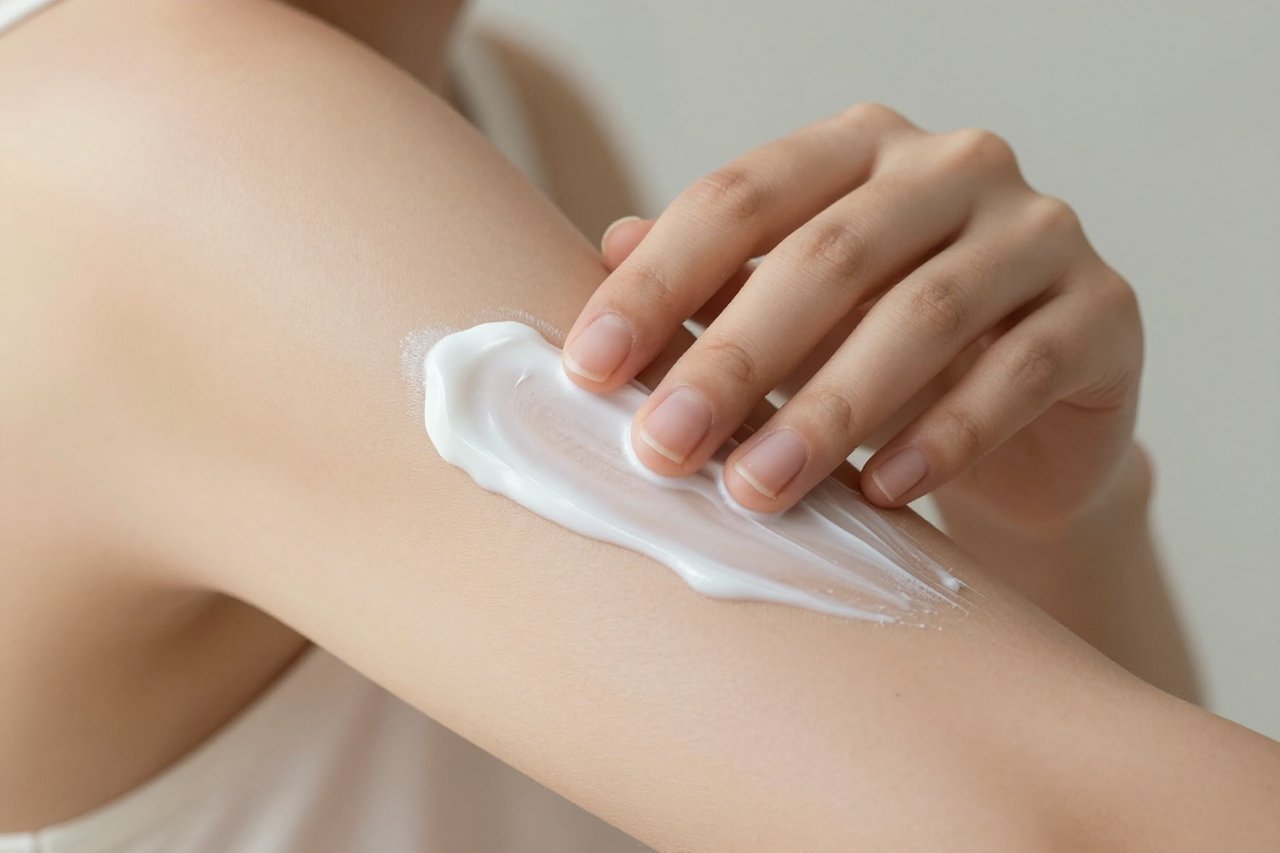
Dry skin is both a symptom and a trigger for eczema. A consistent moisturizing routine strengthens the skin barrier and reduces itch. Apply a thick, fragrance-free cream or ointment (like petroleum jelly or ceramide-based products) within three minutes of bathing to lock in moisture. For best results, moisturize at least twice daily, even when skin looks clear.
Ingredients to Look For
- Ceramides: Help restore the skin barrier.
- Colloidal oatmeal: Soothes inflammation and itching.
- Petrolatum: Seals in moisture effectively.
- Urea or lactic acid: Gentle exfoliation for scaly patches (avoid on broken skin).
Topical Corticosteroids: First-Line Prescription
For mild to moderate eczema, over-the-counter hydrocortisone (0.5% to 1%) can reduce redness and itching. For more severe flare-ups, a doctor may prescribe stronger corticosteroids like triamcinolone or clobetasol. Use these sparingly—apply a thin layer only to affected areas, typically once or twice daily for up to two weeks. Prolonged use can thin the skin, so follow your dermatologist’s guidance.

Non-Steroidal Prescription Options
When steroids aren’t suitable or effective, other topical medications come into play:
- Calcineurin inhibitors (tacrolimus, pimecrolimus): These steroid-free creams reduce inflammation and are safe for sensitive areas like the face and eyelids.
- PDE4 inhibitors (crisaborole): A newer option for mild to moderate eczema, applied twice daily.
- JAK inhibitors (ruxolitinib): For short-term, non-continuous treatment of mild to moderate eczema.
Natural and Home Remedies
Many people seek complementary approaches alongside conventional medicine. While evidence varies, some natural remedies show promise. For example, babassu oil is rich in fatty acids that can moisturize and soothe irritated skin. Similarly, soursop leaf extract has anti-inflammatory properties that may help reduce redness when applied topically. Always patch-test any new substance on a small area of skin before widespread use.
Bleach Baths
Diluted bleach baths can reduce Staphylococcus aureus bacteria on the skin, which often colonizes eczema patches. Add ¼ to ½ cup of household bleach to a full bathtub of warm water (not hot). Soak for 5–10 minutes, then rinse and moisturize. Do this no more than twice a week, and consult your doctor first.
Wet Wrap Therapy
For severe flare-ups, wet wrap therapy can provide rapid relief. Apply a topical medication and moisturizer, then cover with a damp layer of clothing or gauze, followed by a dry layer. Leave on for several hours or overnight. This technique enhances absorption and calms inflammation.
Systemic Treatments for Severe Eczema
When topical treatments fail, oral or injectable medications may be necessary. These are typically reserved for moderate to severe cases.
- Oral corticosteroids (prednisone): Short-term use for acute flares, but long-term use has significant side effects.
- Biologics (dupilumab, tralokinumab): Injectable antibodies that block specific inflammatory pathways. Dupilumab is FDA-approved for moderate to severe eczema and can dramatically improve symptoms.
- Oral JAK inhibitors (upadacitinib, abrocitinib): Newer pills that target inflammation from within, effective for those who don’t respond to biologics.
Lifestyle Adjustments to Prevent Flare-Ups
Consistent daily habits can reduce the frequency and severity of eczema episodes.
- Bathe smart: Use lukewarm water, limit baths to 10 minutes, and use gentle, fragrance-free cleansers.
- Dress wisely: Choose soft, breathable fabrics like cotton. Avoid wool and synthetics that trap heat.
- Humidify: Dry indoor air worsens eczema. Use a humidifier, especially in winter.
- Manage stress: Stress triggers inflammation. Try meditation, yoga, or deep breathing.
Diet and Supplements
While food allergies are not the cause of eczema, they can trigger flares in some people. Common culprits include dairy, eggs, peanuts, soy, and wheat. An elimination diet under a doctor’s supervision can help identify sensitivities. Some supplements may also support skin health. For instance, acai berry is packed with antioxidants that fight oxidative stress, and red clover contains isoflavones that may reduce inflammation. Always discuss supplements with your healthcare provider before starting.
When to See a Dermatologist
If over-the-counter treatments aren’t controlling your symptoms, or if you have signs of infection (yellow crusting, oozing, or spreading redness), it’s time to see a specialist. A dermatologist can create a personalized treatment plan and may also test for contact allergies. For severe cases, newer treatments like biologics or JAK inhibitors can be life-changing.
Eczema management is a marathon, not a sprint. By combining medical treatments, natural remedies like thunder god vine (which has shown anti-inflammatory effects in research), and consistent skin care, most people can achieve long periods of clear, comfortable skin. Experiment with different approaches, track what works, and don’t hesitate to seek professional help when needed.


