
Table of Contents
Losing weight isn’t about starving yourself or surviving on bland salads. It’s about choosing foods that work with your body—keeping you satisfied, energized, and on track. The best healthy foods for weight loss are nutrient-dense, high in protein or fiber, and naturally low in calories. They help you feel full longer, stabilize blood sugar, and reduce cravings without deprivation.
Here are ten real foods that can make a real difference. No superfood hype, just practical choices you can add to your plate today.
1. Eggs: The Gold Standard for Satiety
Eggs are a powerhouse for weight loss. One large egg packs about 6 grams of high-quality protein and only 70 calories. Research shows that eating eggs for breakfast can reduce calorie intake later in the day by up to 35%. The protein and healthy fats keep blood sugar steady, so you don’t crash mid-morning.
How to eat them: Scramble two eggs with spinach and tomatoes, or boil a few for a grab-and-go snack. Pair with a slice of whole-grain toast for extra fiber.

2. Leafy Greens: Volume Without the Calories
Spinach, kale, Swiss chard, and romaine are incredibly low in calories but high in water and fiber. A huge bowl of greens might contain fewer than 50 calories yet take up serious space in your stomach. That’s a win for portion control.
Pro tip: Use leafy greens as a base for salads, but don’t drown them in heavy dressing. Try a simple vinaigrette with olive oil, lemon, and herbs.
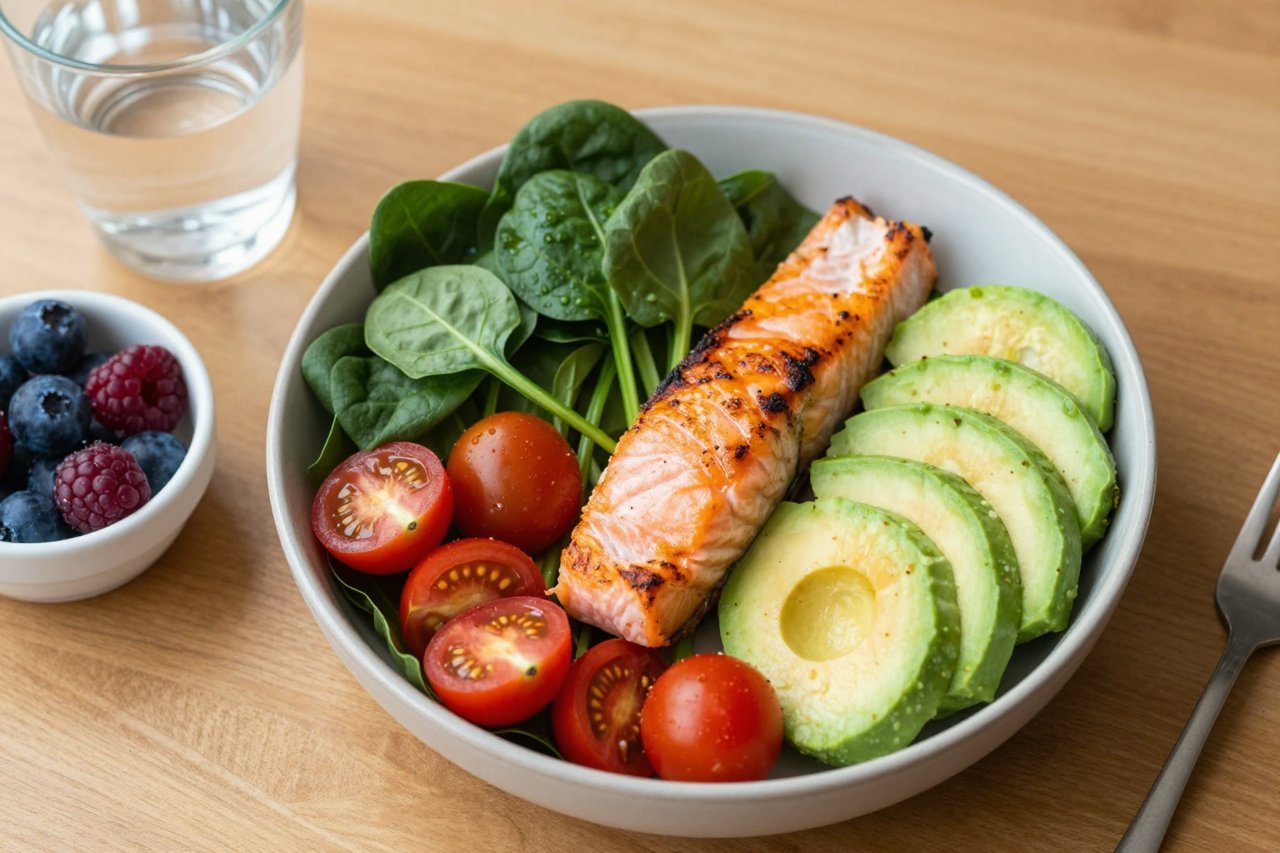
3. Salmon: Omega-3s That Fight Fat
Salmon is rich in protein and omega-3 fatty acids, which help reduce inflammation and may boost metabolism. A 3-ounce serving provides about 22 grams of protein and only 175 calories. The healthy fats also promote satiety, making you feel satisfied longer.
Serving idea: Grill or bake salmon with lemon and dill. Pair with roasted asparagus and quinoa for a balanced meal.
4. Beans and Legumes: Fiber Powerhouses
Black beans, lentils, chickpeas, and kidney beans are packed with both protein and fiber. A cup of cooked lentils has about 18 grams of protein and 15 grams of fiber. This combination slows digestion, keeps you full, and blunts blood sugar spikes.
How to use them: Add chickpeas to salads, make lentil soup, or use black beans in tacos. They’re also budget-friendly.
5. Berries: Sweet Cravings, Solved
Blueberries, strawberries, raspberries, and blackberries are low in sugar compared to other fruits and high in fiber. A cup of raspberries has 8 grams of fiber and only 64 calories. The antioxidants may also help your body respond better to insulin.
Smart snack: Top Greek yogurt with a handful of berries and a sprinkle of cinnamon. No added sugar needed.
6. Greek Yogurt: Protein Punch
Plain Greek yogurt has about twice the protein of regular yogurt—around 20 grams per cup. Protein is the most satiating macronutrient, so it helps curb hunger. Choose plain varieties to avoid added sugars; you can sweeten it naturally with fruit.
Meal prep: Use Greek yogurt as a base for smoothies, as a substitute for sour cream, or mixed with herbs as a dip.
7. Avocados: Healthy Fats That Satisfy
Avocados are calorie-dense, but they’re also rich in monounsaturated fats and fiber. One-third of a medium avocado has 80 calories, 8 grams of healthy fat, and 3 grams of fiber. Including moderate amounts can actually help you eat fewer calories overall by increasing satisfaction.
Balance is key: Add slices to salads or eggs, but stick to a quarter or half per meal.
8. Cruciferous Vegetables: Crunch and Fiber
Broccoli, cauliflower, Brussels sprouts, and cabbage are low-calorie and high in fiber and water. They also contain compounds that may slightly boost metabolism. A cup of cooked broccoli has about 55 calories and 5 grams of fiber.
Roast them: Toss with olive oil, salt, and pepper, then roast at 400°F until crispy. They become sweet and satisfying.
9. Quinoa: A Complete Protein Grain
Quinoa is one of the few plant foods that contains all nine essential amino acids. One cup cooked has 8 grams of protein and 5 grams of fiber. It’s also a good source of iron and magnesium. Unlike refined grains, quinoa keeps you full and provides steady energy.
Use it as a base: Swap rice for quinoa in bowls, stir-fries, or salads. Cook in broth for extra flavor.
10. Nuts and Seeds: Small but Mighty
Almonds, walnuts, chia seeds, and flaxseeds are packed with healthy fats, protein, and fiber. A small handful of almonds (about 23 nuts) has 6 grams of protein and 3.5 grams of fiber. Because they’re calorie-dense, portion control matters—but they can prevent overeating later.
Snack smart: Pair almonds with an apple, or sprinkle chia seeds into oatmeal or smoothies.
How to Build Your Plate for Weight Loss
Simply adding these foods won’t guarantee results if your overall diet is out of balance. A simple framework: fill half your plate with non-starchy vegetables, a quarter with lean protein (like eggs, salmon, or beans), and a quarter with complex carbs (like quinoa or beans). Add a small amount of healthy fat (avocado or nuts).
This approach naturally reduces calorie intake without counting every bite. You’ll get plenty of fiber and protein, which are the two nutrients most linked to weight loss success.
Common Mistakes to Avoid
- Relying on “low-fat” processed foods that replace fat with sugar.
- Skipping meals, which leads to overeating later.
- Drinking calories from sugary beverages—stick to water, tea, or black coffee.
- Eating too few calories, which can slow metabolism and cause muscle loss.
Realistic Portions Make a Difference
Even healthy foods have calories. A serving of nuts is a small handful, not a whole bowl. Avocado is a quarter to half a fruit per meal. Quinoa is about a cup cooked. Use your hand as a guide: a palm-sized portion of protein, a fist-sized portion of carbs, and two handfuls of vegetables.
Consistency matters more than perfection. If you eat a balanced, whole-food diet most of the time, you’ll see progress without feeling deprived.
Putting It All Together
Weight loss doesn’t require a complete diet overhaul. Start by swapping one processed snack for an apple with almond butter, or add a side of roasted broccoli to your dinner. Small changes accumulate. The foods listed here are versatile, affordable, and backed by science. They’ll help you feel full, nourished, and in control—no magic pill required.


