
Table of Contents
Building muscle isn’t just about how hard you lift in the gym—it’s also about what you put on your plate. Protein is the cornerstone of muscle repair and growth, but not all sources are created equal. Whether you’re a seasoned athlete or just starting your fitness journey, knowing which high protein foods to prioritize can make a significant difference in your results. In this guide, we’ll break down the best animal and plant-based proteins, how much you need, and practical ways to incorporate them into your daily diet.
Why Protein Matters for Muscle Building
When you strength train, you create microscopic tears in your muscle fibers. Protein provides the amino acids needed to repair those tears, making the muscles stronger and larger over time. This process, called muscle protein synthesis, requires a steady supply of dietary protein. Without enough, your body may struggle to recover, leaving you feeling fatigued and slowing progress.
The general recommendation for active individuals aiming to build muscle is 1.6 to 2.2 grams of protein per kilogram of body weight per day. For a 180-pound (82 kg) person, that translates to roughly 131 to 180 grams daily. Spreading this intake across 3-5 meals helps maximize absorption and synthesis.
Top Animal-Based High Protein Foods
Animal proteins are considered complete because they contain all nine essential amino acids your body can’t produce on its own. Here are some of the most effective options.

Chicken Breast
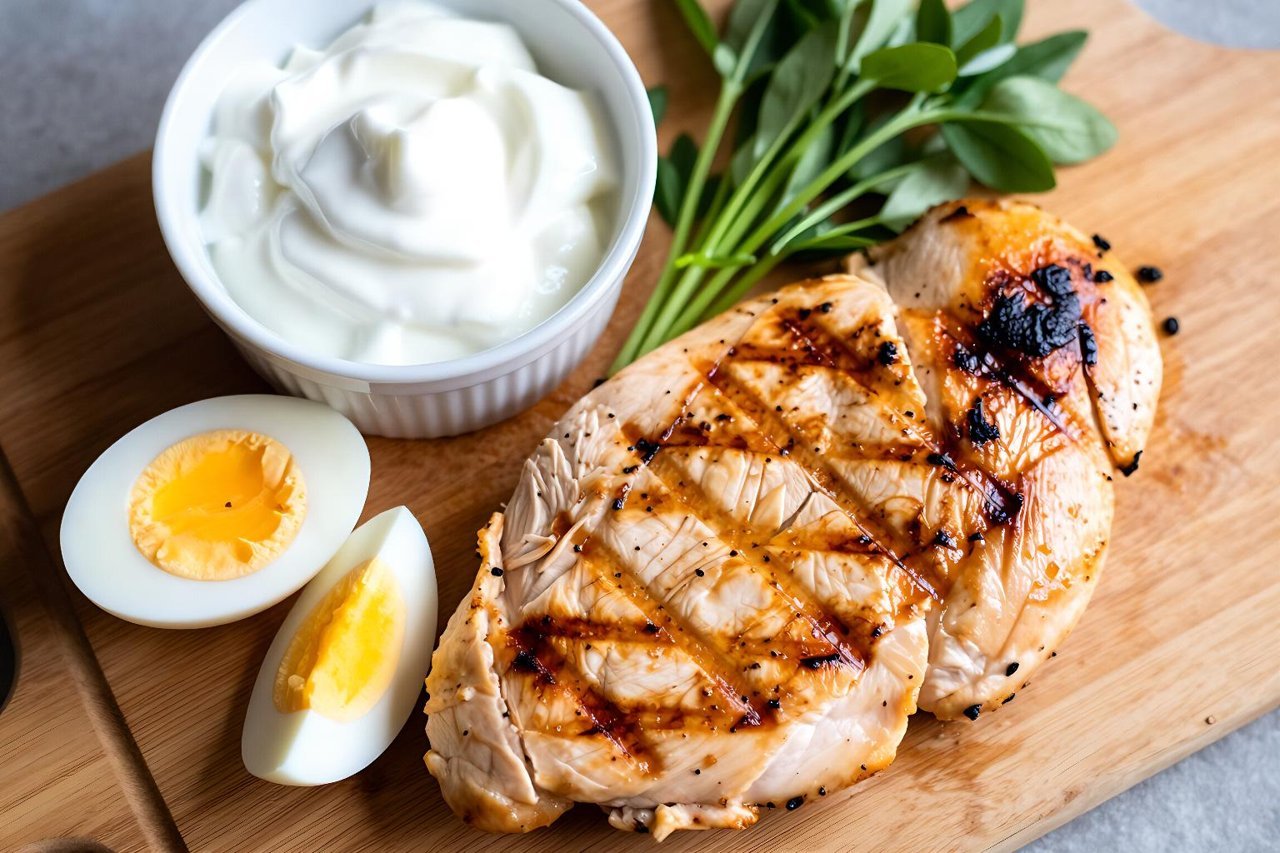
A 3-ounce (85g) serving of cooked chicken breast provides about 26 grams of protein with minimal fat. It’s versatile, affordable, and easy to prep in bulk for the week. Grill it, bake it, or toss it into salads and stir-fries.
Eggs
One large egg packs around 6 grams of protein, with most of it in the white. But don’t skip the yolk—it contains healthy fats, vitamins, and choline. Eating three eggs for breakfast gives you 18 grams of protein to start your day.
Greek Yogurt
Plain Greek yogurt is a protein powerhouse, offering 15-20 grams per 6-ounce serving. It’s also rich in probiotics for gut health. Choose plain varieties to avoid added sugars, and mix in berries or a drizzle of honey.
Lean Beef
Beef is not only high in protein (22 grams per 3 ounces) but also provides creatine, iron, and B vitamins that support energy and muscle function. Opt for 90% lean or grass-fed cuts to keep saturated fat in check.
Fish and Seafood
Salmon, tuna, and cod are excellent sources. A 3-ounce serving of salmon delivers about 22 grams of protein plus omega-3 fatty acids, which reduce inflammation and may aid recovery. Canned tuna is a convenient pantry staple.
Plant-Based High Protein Foods
Plant proteins can absolutely support muscle growth, though they are often incomplete (missing one or more essential amino acids). The key is to eat a variety of sources throughout the day to cover all amino acids.
Lentils and Legumes
One cup of cooked lentils provides 18 grams of protein and loads of fiber. Beans, chickpeas, and peas are also great. Pair them with whole grains like rice or quinoa to create a complete protein profile.
Tofu and Tempeh
Tofu offers about 10 grams of protein per half-cup, while tempeh packs around 15 grams. Both are made from soybeans, a complete plant protein. They absorb marinades well, making them versatile for stir-fries, grilling, or scrambles.
Quinoa
Unique among grains, quinoa is a complete protein with 8 grams per cooked cup. It’s also high in fiber, magnesium, and iron. Use it as a base for bowls or a side dish.
Nuts and Seeds
Almonds, peanuts, pumpkin seeds, and hemp seeds are protein-rich. Hemp seeds, in particular, offer 10 grams of protein per 3 tablespoons. Sprinkle them on oatmeal, yogurt, or salads for an easy boost.
Wild Rice
Wild rice is a nutrient-dense whole grain that provides about 6.5 grams of protein per cooked cup. It’s also packed with antioxidants and fiber. Incorporate it into your meals for variety—check out the 17 wild rice health benefits and uses for more ideas on how to use it.
How to Combine Proteins for Maximum Effect
You don’t need to eat all your protein in one sitting. In fact, spreading intake across the day improves muscle protein synthesis. Aim for 20-40 grams of protein per meal, depending on your total needs.
Pairing incomplete plant proteins—like rice and beans—creates a complete amino acid profile. Another strategy: include a small amount of animal protein in a plant-based meal. For example, add chicken to a lentil soup or eggs to a quinoa bowl.
High Protein Meal Ideas for Muscle Gain
Putting theory into practice can be simple. For inspiration, check out The Ultimate Guide to High Protein Meals for Muscle Gain (That Actually Taste Good). Here are a few quick ideas:
- Breakfast: Scrambled eggs (3 eggs) with spinach and a side of Greek yogurt.
- Lunch: Grilled chicken breast (6 oz) over a bed of quinoa and roasted vegetables.
- Snack: Cottage cheese (1 cup) with pineapple chunks or a handful of almonds.
- Dinner: Baked salmon (6 oz) with sweet potato and steamed broccoli.
- Post-workout: A whey protein shake blended with banana and almond milk.
Supplements: When to Consider Them
Whole foods should always come first, but supplements can fill gaps. Whey protein is fast-digesting and ideal post-workout. Casein, found in milk, digests slowly—great before bed. Plant-based powders like pea or brown rice protein are excellent for vegans.
Some lesser-known supplements also show promise. For instance, 11 black ant extract benefits that will amaze you include potential for enhanced recovery and testosterone support, which may indirectly aid muscle building. Similarly, black ant extract benefits few know about highlight its role in reducing fatigue and improving exercise performance.
Hydration and Timing
Water is crucial for protein metabolism. Dehydration can impair muscle function and recovery. Aim for at least 8-10 cups daily, more if you sweat heavily.
Timing matters too. Consuming protein within 2 hours after your workout maximizes muscle repair. A fast-digesting source like whey or a chicken breast with rice works well. Before bed, a slow-digesting protein like cottage cheese or casein can provide a steady supply of amino acids overnight.
Common Mistakes to Avoid
Even with the best foods, mistakes can derail progress. Here are a few pitfalls:
- Not eating enough total calories. Protein alone won’t build muscle if you’re in a calorie deficit. You need energy from carbs and fats too.
- Relying too heavily on supplements. Whole foods provide additional nutrients like vitamins, minerals, and fiber that powders lack.
- Skipping variety. Eating the same protein sources daily can lead to nutrient gaps. Rotate between chicken, fish, eggs, legumes, and tofu.
- Ignoring meal prep. Without planning, it’s easy to fall back on low-protein convenience foods. Spend a few hours each week cooking staples like grilled chicken, hard-boiled eggs, and quinoa.
By focusing on high-quality protein sources, spreading your intake, and staying consistent, you’ll give your muscles the fuel they need to grow. Start incorporating these foods today, and watch your strength and size improve over time.


