
Table of Contents
When you’re trying to lose weight, fruit can feel like a gamble. On one hand, it’s packed with vitamins and fiber. On the other, it contains sugar. So which fruits actually help you drop pounds? I’ve dug into the research and real-world results to bring you the 11 best fruits for weight loss—plus tips on how to eat them for maximum benefit.
Why Fruit Helps You Lose Weight
Fruit is nature’s original weight-loss food. It’s high in water and fiber, which fill you up for very few calories. The natural sugars come with a package of antioxidants and phytonutrients that support metabolism. Studies show that people who eat whole fruit regularly tend to weigh less and have lower body fat than those who skip it.
But not all fruits are created equal. Some spike blood sugar, while others stabilize it. Some are calorie-dense, others are practically negative-calorie. Here’s what the science says about the best picks.
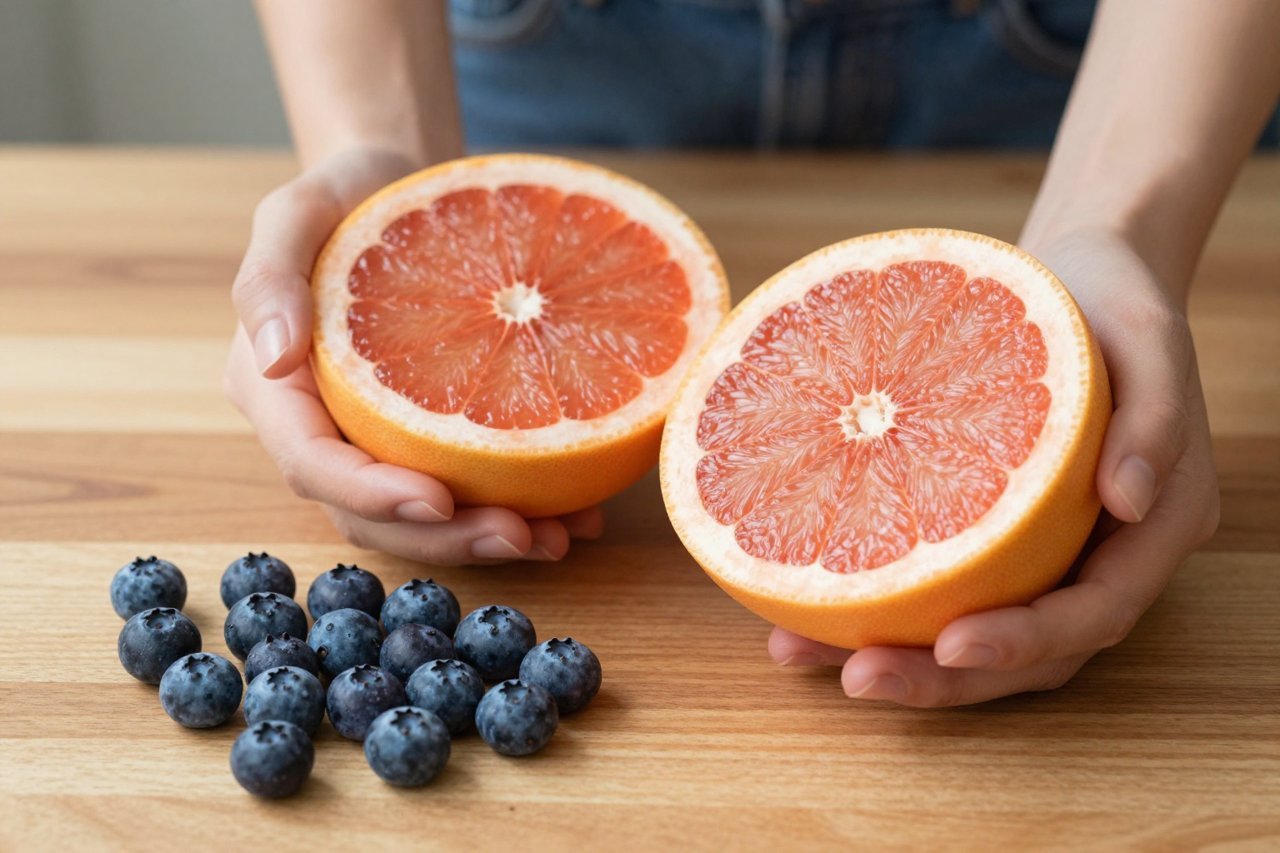
1. Grapefruit – The Fat-Burning Classic
Grapefruit has a long reputation as a diet food, and research backs it up. A study in the Journal of Medicinal Food found that eating half a grapefruit before meals for 12 weeks led to significant weight loss—about 3.5 pounds more than the control group.

The magic lies in a compound called naringenin, which may improve insulin sensitivity and reduce appetite. Plus, grapefruit is over 90% water, so it fills your stomach without adding many calories. One half has only 40 calories.
How to eat it: Enjoy half a grapefruit 15 minutes before breakfast or lunch. Skip the sugar—the tartness is part of the appetite-suppressing effect.
2. Apples – The Satiety Superstar
An apple a day keeps the fat away. Apples are rich in pectin, a soluble fiber that forms a gel in your gut, slowing digestion and keeping you full for hours. A 2014 study showed that eating an apple 15 minutes before a meal reduced calorie intake by 15% compared to drinking apple juice or eating applesauce.
The crunch factor also matters—chewing signals your brain that you’re eating, which triggers satiety hormones. A medium apple has about 95 calories and 4 grams of fiber.
Pro tip: Eat the skin. As I explain in my article on 16 fruit and veggie skins you can eat, apple skins contain ursolic acid, which may boost brown fat and increase calorie burn.
3. Berries – Low Sugar, High Antioxidant
Berries—strawberries, blueberries, raspberries, blackberries—are the heavy hitters of weight loss. They have the lowest sugar content of any fruit and are loaded with anthocyanins, which reduce inflammation and improve insulin sensitivity.
A cup of strawberries has only 50 calories and 3 grams of fiber. Raspberries pack 8 grams of fiber per cup—that’s more than most grains. Blueberries specifically have been shown to reduce belly fat in animal studies, and human research suggests they improve glucose control.
For the full lowdown on one berry’s benefits, check out 17 blueberry benefits for your health and beauty. They’re a powerhouse for weight loss and skin health.
4. Watermelon – Hydrate and Slim Down
Watermelon is 92% water, making it one of the most filling fruits per calorie. A two-cup serving has only 80 calories and provides a good dose of vitamin C and lycopene. The high water content helps you feel full, and the natural sweetness can curb sugar cravings.
Some research suggests that watermelon’s arginine may help reduce fat accumulation. Plus, it’s a great post-workout snack because it contains electrolytes and the amino acid citrulline, which may reduce muscle soreness.
5. Kiwi – The Sleep-Weight Connection
Kiwi is a small fruit with big weight-loss potential. One kiwi has about 50 calories and 2 grams of fiber, but its real benefit comes from its serotonin content. Serotonin helps regulate sleep, and poor sleep is strongly linked to weight gain. Eating kiwi before bed has been shown to improve sleep quality in several studies.
Better sleep means lower cortisol (the stress hormone that encourages belly fat storage) and better appetite control the next day. Kiwi also contains actinidin, an enzyme that aids protein digestion.
6. Pears – Fiber Powerhouse
Pears are one of the highest-fiber fruits, with a medium pear providing 6 grams of fiber—that’s 24% of your daily needs. Most of it is insoluble fiber, which adds bulk to stool and helps you feel full. But pears also contain soluble fiber that feeds gut bacteria, improving metabolic health.
Research shows that pears may help reduce appetite and lower calorie intake at subsequent meals. One study found that women who ate three pears per day for 12 weeks lost more weight than those who didn’t.
7. Oranges – Vitamin C for Fat Burning
Oranges are not just for breakfast. A medium orange has only 60 calories and 3 grams of fiber, plus a massive dose of vitamin C. Vitamin C is crucial for fat oxidation—your body literally needs it to burn fat during exercise. People with adequate vitamin C levels burn 30% more fat during moderate exercise than those with low levels.
Oranges also contain flavonoids that may improve insulin sensitivity and reduce inflammation. Eat the whole fruit instead of drinking juice to get the fiber and avoid a sugar spike.
8. Avocado – The Healthy Fat Fruit
Yes, avocado is a fruit. And yes, it’s higher in calories than most fruits—about 160 calories per half—but those calories come from monounsaturated fats, which are proven to support weight loss. Fat slows digestion, keeps you full, and helps you absorb fat-soluble vitamins from other foods.
A 2013 study found that people who ate half an avocado at lunch reported a 40% reduced desire to eat for hours afterward. Another study showed that avocado eaters tend to have lower BMI and smaller waist circumferences. Just watch your portions.
9. Papaya – Digestive Aid and Fat Blaster
Papaya contains papain, a digestive enzyme that helps break down proteins and reduces bloating. A cup of papaya has only 60 calories and 2.5 grams of fiber. It’s also rich in antioxidants like lycopene and beta-carotene, which fight inflammation—a known driver of obesity.
Eating papaya can improve digestion and reduce water retention, making you feel leaner. Its natural sweetness can also replace sugary desserts.
10. Cherries – Sleep and Recovery
Cherries—especially tart cherries—are one of the few natural sources of melatonin, the sleep hormone. Better sleep = better weight control. Tart cherry juice has been shown to improve sleep quality and duration, which helps regulate ghrelin (the hunger hormone) and leptin (the fullness hormone).
A cup of cherries has about 90 calories and 3 grams of fiber. They also contain anthocyanins that reduce inflammation and may prevent fat gain. Eat them fresh or frozen, but avoid dried cherries, which are concentrated in sugar.
11. Bananas – The Pre-Workout Fuel
Bananas get a bad rap because they’re higher in sugar and carbs than most fruits, but they’re still a great weight-loss food when eaten wisely. A medium banana has 105 calories and 3 grams of fiber, plus resistant starch in greener bananas that feeds gut bacteria and reduces appetite.
The key is timing. Eat a banana 30–60 minutes before a workout to fuel your exercise without weighing you down. Post-workout, bananas replenish glycogen and provide potassium to prevent muscle cramps. Avoid bananas as a late-night snack when your activity level is low.
How to Incorporate Fruit Into a Weight Loss Diet
Eating fruit for weight loss isn’t about adding it to an already full diet—it’s about replacing less nutritious foods. Here are practical strategies:
- Replace sugary snacks: Grab an apple or a cup of berries instead of cookies or candy. The fiber will satisfy your sweet tooth without the crash.
- Add fruit to meals: Toss berries into oatmeal, slice avocado onto toast, or add grapefruit segments to a salad. This boosts volume and nutrients without many calories.
- Make fruit your dessert: A bowl of watermelon or a baked pear with cinnamon can end a meal on a sweet note for under 100 calories.
- Pair fruit with protein: Apple slices with almond butter or berries with Greek yogurt stabilize blood sugar and keep you full longer.
- Watch portions: Stick to 1–2 servings per meal. A serving is one medium fruit, one cup of berries, or half a grapefruit.
What About Dried Fruit and Juice?
Dried fruit is calorie-dense and easy to overeat—a handful of raisins has the same calories as a whole bunch of grapes. If you choose dried fruit, stick to a 1-ounce portion (about 2 tablespoons). Fruit juice is basically sugar water without the fiber; it spikes blood sugar and doesn’t satisfy hunger. Stick to whole fruit.
Best Fruits for Weight Loss by Goal
Different fruits work better for different situations. Here’s a quick cheat sheet:
- For appetite control: Apples, pears, grapefruit
- For low sugar: Berries, kiwi, watermelon
- For pre-workout energy: Bananas, oranges
- For better sleep: Kiwi, cherries
- For digestive health: Papaya, avocado
If you’re looking for more complete weight-loss meal ideas, check out my guide to 10 best healthy meals for weight loss, which incorporates many of these fruits. And for a broader list of filling foods, see 10 healthy foods for weight loss that actually keep you full.
Start your morning right with healthy breakfast food ideas for every situation that feature fruit. And if you’re dealing with hair thinning from rapid weight loss, hair loss treatment: science-backed solutions that actually work can help.
The bottom line: whole fruits are a powerful tool for weight loss. They satisfy your sweet tooth, fill you up, and deliver nutrients that actively support fat burning. Pick a few from this list, eat them with the skin when possible, and enjoy the natural path to a leaner body.


