
Table of Contents
That tingling, burning sensation on your lip is unmistakable. Within hours, a red bump appears, and soon a blister forms. If you’re one of the millions who experience cold sores, you know the drill: the itching, the pain, the embarrassment. But effective cold sore treatment can shorten the outbreak and ease discomfort. In this guide, we’ll explore evidence-based options—from over-the-counter creams to prescription antivirals—and practical tips to help you heal faster.
Understanding Cold Sores: The Basics
Cold sores, also called fever blisters, are caused by the herpes simplex virus (HSV-1). Once you’re infected, the virus stays dormant in nerve cells and can reactivate due to triggers like stress, illness, sun exposure, or hormonal changes. While there’s no cure, treatment focuses on reducing symptoms and speeding recovery.
How Long Do Cold Sores Last?
Untreated, a cold sore typically lasts 7–10 days. With prompt treatment, you can cut that to 3–5 days. The key is starting therapy at the first sign—the prodrome stage, when you feel tingling or burning before any visible blister appears.
Over-the-Counter (OTC) Cold Sore Treatments
For many people, OTC products are the first line of defense. They’re easily accessible and can be quite effective, especially when used early.

Antiviral Creams
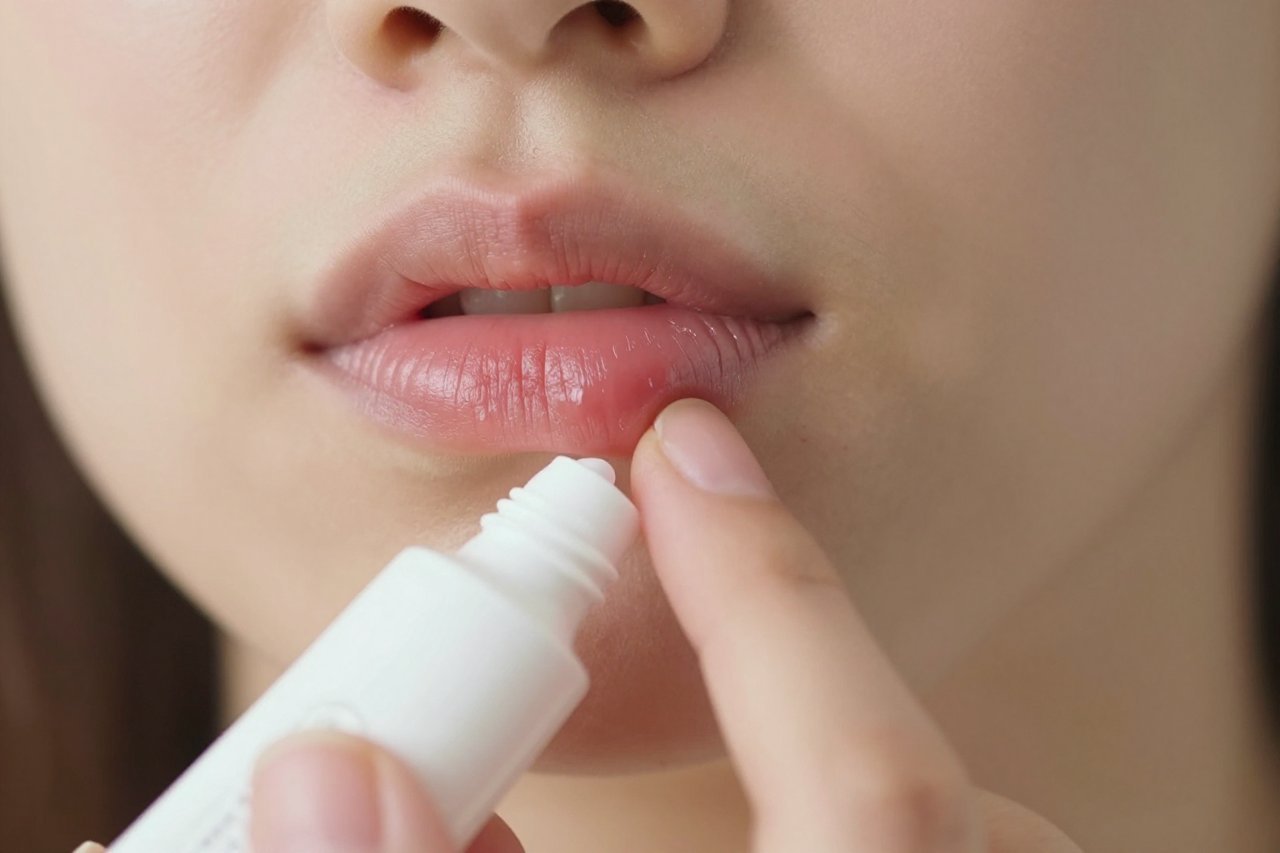
Products containing acyclovir (e.g., Zovirax) or penciclovir (e.g., Denavir) are FDA-approved for cold sore treatment. These creams work by inhibiting viral replication. Applied 5 times daily, they can reduce healing time by about half a day to a day. Some newer formulations include docosanol (Abreva), which blocks the virus from entering cells. Clinical studies show docosanol can shorten healing by 17 hours on average.
Pain-Relieving and Protective Balms
Look for lip balms containing lidocaine, benzocaine, or camphor for numbing relief. Products with zinc oxide or titanium dioxide create a physical barrier that protects the sore from irritants and may speed healing. A 2020 review found that zinc oxide cream reduced healing time by 1.5 days compared to placebo.
Prescription Medications: When OTC Isn’t Enough
If you have frequent or severe outbreaks, a doctor may prescribe oral antivirals. These are the gold standard for cold sore treatment, offering faster and more reliable results.
Oral Antivirals
Valacyclovir (Valtrex) and famciclovir (Famvir) are commonly prescribed. Taken at the first sign, they can stop the sore from forming or reduce duration by 1–2 days. A single-day high-dose regimen (e.g., 2 grams of valacyclovir twice in one day) is convenient and effective. For recurrent outbreaks, daily suppressive therapy can reduce frequency by 70–80%.
Side effects are rare but may include headache or nausea. These medications are safe for most people, but always consult your healthcare provider.
Home Remedies and Natural Approaches
Many people turn to home remedies for relief. While not as rigorously studied, some have supportive evidence and can complement medical treatment.
- Ice packs: Apply ice wrapped in a cloth for 10–15 minutes several times a day to reduce pain and inflammation.
- Lysine supplements: Some studies suggest lysine may reduce outbreak frequency when taken daily. Typical doses range from 1,000 to 3,000 mg per day.
- Aloe vera gel: Pure aloe has antiviral and anti-inflammatory properties. Apply directly to the sore 3–4 times daily.
- Lemon balm (Melissa officinalis): Creams containing lemon balm extract have been shown in studies to shorten healing time and prevent recurrence.
- Tea tree oil: Diluted tea tree oil (mixed with a carrier oil) may have antiviral activity. Use sparingly, as it can be irritating.
Preventing Outbreaks and Reducing Triggers
An important part of cold sore treatment is prevention. Identifying and managing your triggers can dramatically reduce how often sores appear.
Common Triggers
- Stress: Emotional stress is a well-known trigger. Learning stress management techniques—like meditation, exercise, or therapy—can help. For more on this, see our article on Stress Treatment and Prevention.
- Sun exposure: UV light can reactivate the virus. Use a lip balm with SPF 30+ daily, even in winter.
- Illness or fever: Colds, flu, and other infections can lower your immune defenses. Take extra care when you’re sick.
- Fatigue and lack of sleep: Prioritize rest to keep your immune system strong.
Lifestyle Tips
Stay hydrated, eat a balanced diet rich in fruits and vegetables, and avoid sharing utensils, towels, or lip products during an outbreak. If you have dry or chapped lips, you may be more prone to cracks that allow the virus to exit. Our article on Dry Mouth Treatment and Prevention offers tips for keeping your oral tissues healthy.
When to See a Doctor
Most cold sores resolve on their own, but medical attention is advised if:
- You have frequent outbreaks (more than 6 per year).
- The sore is large, painful, or doesn’t heal within 2 weeks.
- You have a weakened immune system (due to chemotherapy, HIV, or medications).
- The infection spreads to your eyes, fingers, or other areas.
In rare cases, cold sores can lead to more serious conditions like ocular herpes, which threatens vision. If you have a history of skin cancer or suspicious lesions, it’s important to differentiate cold sores from other skin conditions. For instance, Squamous Cell Carcinoma can sometimes appear as a non-healing sore, and Basal Cell Carcinoma may mimic a blister. Any persistent or unusual lesion should be evaluated by a dermatologist.
Debunking Common Myths
Misinformation about cold sore treatment abounds. Let’s clear up a few:
- Myth: You can get rid of a cold sore overnight. Fact: No treatment cures the virus, but antivirals can speed healing. Patience is key.
- Myth: Cold sores are only contagious when visible. Fact: The virus can be shed even without symptoms, though risk is highest during an outbreak.
- Myth: Toothpaste dries out cold sores. Fact: This can actually irritate the skin and delay healing. Stick to proven remedies.
The Role of Immune Health
A strong immune system is your best defense against cold sore outbreaks. Chronic conditions that weaken immunity can increase frequency and severity. For example, while not directly related, viral infections like COVID-19 can stress the body. Learn more about managing viral illnesses in our article on Coronavirus Symptoms, Treatment, Latest Cases. Additionally, conditions that cause systemic inflammation, such as Aortic Aneurysm, may require careful management of overall health, which can indirectly impact cold sore recurrence.
By combining effective treatments with smart prevention strategies, you can take control of cold sores and minimize their impact on your life. Remember, early action is everything—so keep your preferred remedy handy and use it at the first tingle.


