
Table of Contents
Walk down the pet food aisle and you’ll see bags plastered with words like “premium,” “natural,” and “holistic.” But what does high quality dog food actually mean? Is it the protein percentage, the absence of corn, or the price tag? The truth is more nuanced—and more important—than marketing claims suggest. Your dog’s health, energy, and longevity depend on getting this right.
What Defines High Quality Dog Food?
High quality dog food isn’t just about what’s excluded (no by-products, no artificial preservatives). It’s about what’s included—and in what proportions. At its core, quality comes down to three pillars: ingredient sourcing, nutritional adequacy, and digestibility.
Ingredient Sourcing and Transparency
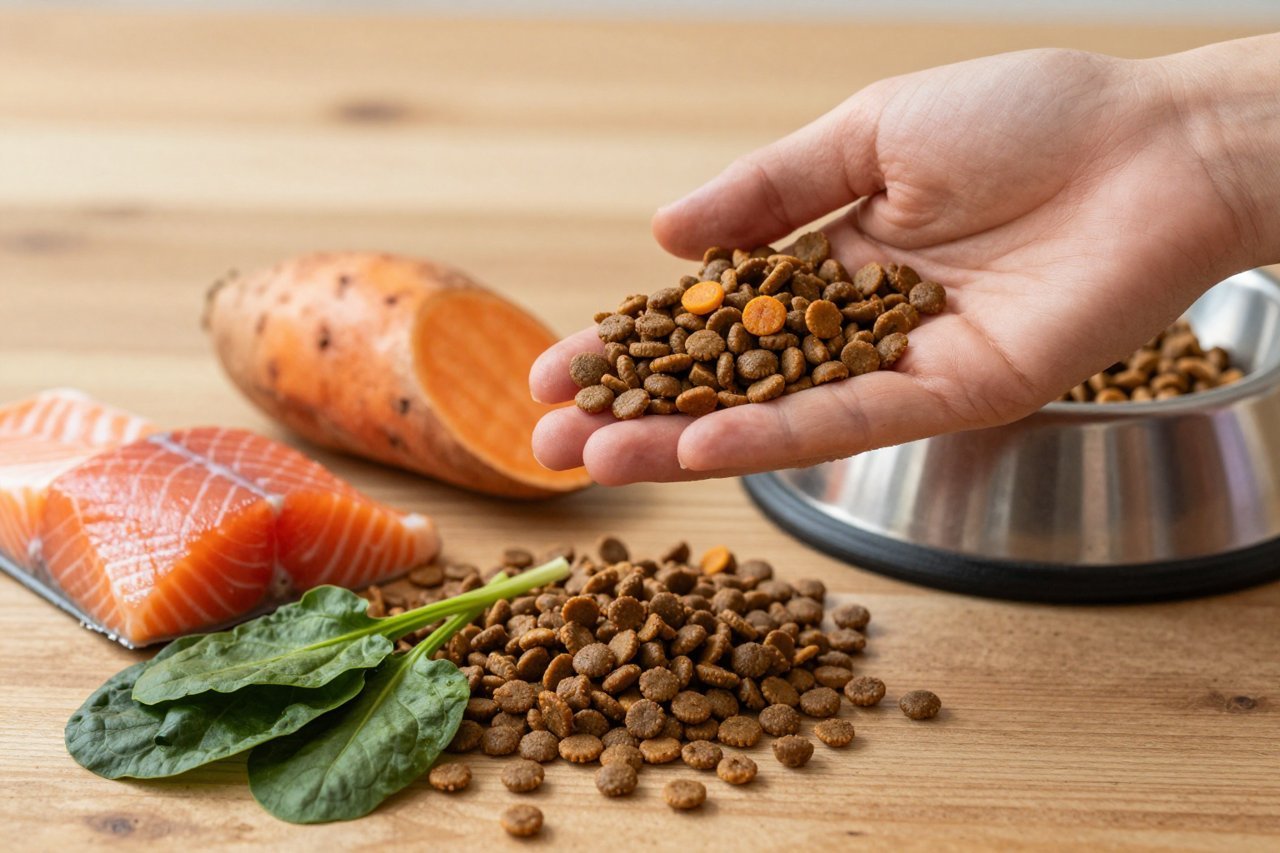
Look for named animal proteins like “chicken meal” or “deboned salmon” rather than vague “meat meal.” Brands that disclose where ingredients come from—for example, “grass-fed beef from New Zealand” or “wild-caught Alaskan salmon”—are generally more committed to quality. Top 7 Highest Rated Pet Foods: Expert Picks for Dogs and Cats often highlight brands with transparent sourcing.
Nutritional Adequacy Statement
Every complete dog food should carry an AAFCO statement indicating it’s formulated for a specific life stage (growth, adult maintenance, or all life stages). This isn’t optional—it’s the baseline. A food that passes feeding trials (not just lab analysis) is even better.

Digestibility and Bioavailability
High quality ingredients mean little if your dog can’t absorb them. Check for ingredients like whole eggs, liver, and muscle meat—they’re highly bioavailable. Avoid excessive fiber from cheap fillers like peanut hulls or cellulose, which can reduce nutrient absorption.
Protein: The Cornerstone of Canine Nutrition
Dogs thrive on animal protein. A high quality dog food should list a specific animal protein as the first ingredient—ideally two. But protein isn’t just about quantity; quality matters. Fresh, whole meats provide more usable amino acids than heavily processed meals.
For active breeds or working dogs, look for 30–35% protein on a dry matter basis. For less active senior dogs, 20–25% may suffice. However, don’t fixate solely on the guaranteed analysis—the source and processing matter more. Brands using freeze-dried raw coatings or fresh inclusions often preserve protein integrity better than those using high-heat extrusion alone.
Fats: Energy and Coat Health
Fat is your dog’s primary energy source and essential for absorbing fat-soluble vitamins (A, D, E, K). High quality dog food typically contains 12–20% fat, with omega-3 and omega-6 fatty acids in balance. Look for named animal fats (chicken fat, salmon oil) rather than generic “vegetable oil.”
Salmon oil and flaxseed provide omega-3s, which reduce inflammation and support skin and coat health. A shiny coat and healthy skin are often the first visible signs of a good diet. If your dog has chronic ear infections or itchy skin, the fat profile of their food might be the culprit. Best Dogs for Allergies: Hypoallergenic Breeds and Real Solutions can help if you suspect food sensitivities.
Carbohydrates and Fibre: Purposeful, Not Cheap Fillers
Dogs don’t require carbohydrates, but quality carbs in moderation (like sweet potatoes, brown rice, or oats) provide digestible energy and fibre. Avoid foods where the first few ingredients are grains or starches—that’s a sign the protein content may be artificially boosted with plant proteins later in the list.
Fibre from whole food sources like pumpkin, beet pulp, or chicory root supports gut health. Too much fibre (above 5–6%) can cause loose stools and reduced nutrient absorption. Too little can lead to constipation. A high quality food strikes the right balance.
What to Avoid: Red Flags in Ingredient Lists
- Artificial preservatives like BHA, BHT, and ethoxyquin. Natural preservatives (vitamin E, vitamin C, rosemary extract) are safer and equally effective.
- Generic fats or proteins — “animal fat” or “meat meal” could come from any source, including diseased or dead animals.
- Added sugars like corn syrup, sucrose, or caramel colour. These have no nutritional value and can contribute to obesity and dental issues.
- Propylene glycol — a humectant sometimes used in semi-moist foods. It’s not toxic in small amounts, but better options exist.
- Excessive salt or sodium — used as a preservative or flavour enhancer. Look for foods with less than 1% sodium.
Life Stage Matters: Puppy, Adult, Senior
A high quality dog food is tailored to your dog’s life stage. Puppies need higher protein (22–32%) and calcium for growth, while seniors may benefit from lower phosphorus (to protect kidneys) and added joint supplements like glucosamine and chondroitin.
For adult dogs, maintenance formulas should provide balanced nutrition without excess calories. If you have a large breed puppy, choose a large-breed-specific formula to control growth rate and reduce hip dysplasia risk. 7 Best Dog Foods for Health: Vet-Recommended Picks for Every Life Stage offers targeted recommendations for each phase.
Special Health Considerations
Some dogs have specific needs. Dogs with hormonal imbalances may benefit from foods with balanced omega-6 to omega-3 ratios and limited simple carbohydrates. For dogs with kidney disease, lower protein but high biological value protein is key. Always consult your vet before making drastic dietary changes for medical conditions.
Reading the Fine Print: Guaranteed Analysis vs. Actual Quality
The guaranteed analysis tells you minimum protein and fat, but not the source. Two foods with 30% protein can be worlds apart: one from fresh chicken and eggs, another from chicken by-product meal and corn gluten meal. The digestibility—how much of that protein your dog actually uses—varies hugely.
Look for brands that conduct digestibility trials or publish amino acid profiles. Some premium brands also provide calorie content (kcal/kg) and feeding recommendations based on actual energy density, not just weight.
Fresh, Frozen, or Kibble? The Form Factor Question
High quality dog food comes in many forms. Fresh and frozen foods (like gently cooked or raw) often retain more nutrients because they undergo minimal processing. However, they require proper handling and are more expensive. High-quality kibble, when made with fresh ingredients and low-temperature extrusion, can be an excellent convenient option.
Many owners mix forms—a high-quality kibble base with fresh toppers. 7 Whole Foods You Can Add to Your Dog’s Bowl Today provides simple additions that boost nutrition without replacing the complete diet.
Price Isn’t Everything, But It’s a Clue
Quality ingredients cost more. A $15 bag of 40-lb kibble likely relies on cheap fillers and low-grade protein. But expensive doesn’t automatically equal high quality—some boutique brands overcharge for trendy ingredients without proper nutritional balance. Look for foods that list ingredients you’d recognize as whole foods, with a clear AAFCO statement and a brand that employs a veterinary nutritionist.
You can also consult independent rating resources like the World Small Animal Veterinary Association (WSAVA) guidelines, which evaluate brands on research, formulation expertise, and quality control. The What Is Safer for Your Dog? – Petsworld article offers additional safety considerations for choosing pet products.
Making the Switch: Transitioning to High Quality Dog Food
Switching foods abruptly can cause digestive upset. Over 7–10 days, gradually increase the new food while decreasing the old. Start with 25% new / 75% old for two days, then 50/50 for two days, then 75/25, then 100% new. Monitor stool consistency, energy levels, and coat condition during the transition.
If your dog is a picky eater, you might need to try a few different high quality brands or flavours before finding one they love. Avoid jumping between extremes—give each new food at least a two-week trial before deciding.
Choosing high quality dog food is an investment in your dog’s future. Look beyond the marketing claims, understand the ingredients, and match the food to your dog’s unique needs. Your dog will thank you with better health, more energy, and a longer, happier life by your side.


