
Table of Contents
If you love dogs but sneeze every time you’re near one, you’ve likely searched for a breed that won’t trigger your allergies. The good news: no dog is 100% hypoallergenic, but many breeds produce less dander and shed less, making them dogs good for allergies. Let’s break down what really works—from breed choices to daily habits—so you can enjoy life with a furry friend without constant sniffles.
What Makes a Dog Hypoallergenic?
It’s not the fur itself that causes allergies—it’s proteins in dander (dead skin flakes), saliva, and urine. Dogs that shed less dander and have non-shedding coats tend to be better for allergic owners. But individual reactions vary, so spending time with a specific breed before committing is key.
Top Hypoallergenic Breeds That Are Dogs Good for Allergies
Poodle (Toy, Miniature, Standard)
Poodles have a single-layer, curly coat that traps dander and doesn’t shed much. They’re intelligent and easy to train. Their coat needs regular grooming, but that also helps remove loose dander. Standard Poodles are often recommended for families.
Bichon Frise
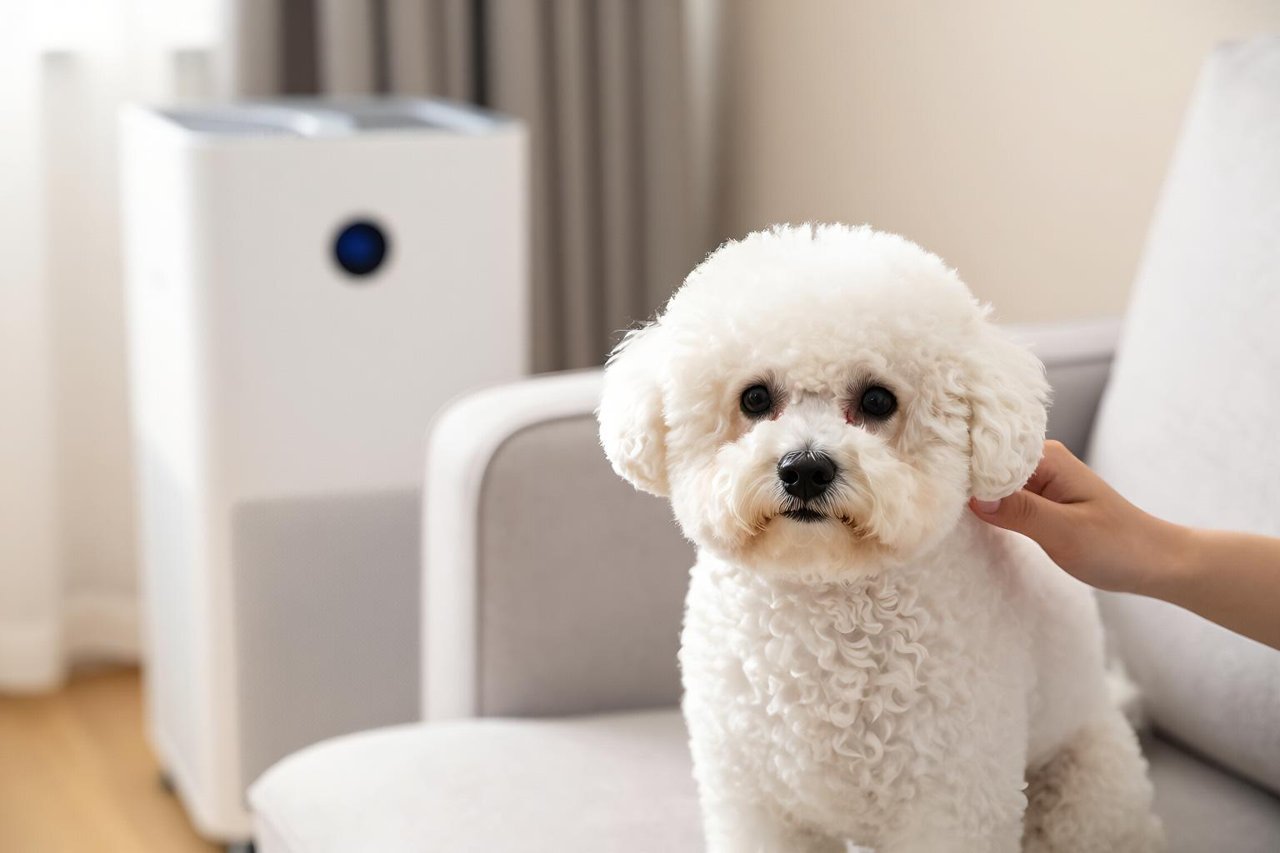
These small, cheerful dogs have a soft, curly double coat that sheds very little. Their dander production is low, and they’re known for being playful and affectionate. Weekly brushing and monthly grooming keep them allergy-friendly.

Schnauzer (Miniature, Standard, Giant)
Schnauzers have a wiry, double coat that sheds minimally. Their beard can trap saliva, but regular face wiping helps. They’re energetic and make great watchdogs.
Portuguese Water Dog
Made famous by the Obama family, this breed has a curly, non-shedding coat that produces less dander. They’re active and love water, requiring regular grooming to prevent mats.
Maltese
With a long, silky single coat that sheds very little, the Maltese is a classic hypoallergenic choice. They’re small, gentle, and thrive on human companionship. Daily brushing keeps their coat free of dander.
Yorkshire Terrier
Yorkies have hair similar to human hair, which grows continuously and doesn’t shed much. Their small size means less surface area for dander. They’re bold and confident.
Shih Tzu
Despite a long coat, Shih Tzus shed minimally. Their dander is low, but regular grooming is a must. They’re friendly and adapt well to apartments.
Beyond Breed: Managing Allergies at Home
Even with a low-dander breed, you’ll need solid management. Here’s what actually makes a difference:
- HEPA air purifiers: Place one in the main living area and bedroom to capture airborne dander.
- Wash bedding weekly: Use hot water to kill allergens. Cover your pillow and mattress with allergen-proof covers.
- Groom outdoors: Brush your dog outside to keep dander from floating inside. Use a grooming glove or rubber brush.
- Bathe your dog monthly: Use a gentle, hypoallergenic shampoo. Over-bathing can dry skin and increase dander.
- No-dog zones: Keep your bedroom off-limits to create an allergen-free sleep sanctuary.
- Wash hands after petting: And avoid touching your face before washing.
If your dog still has itching or skin issues, it might be their own allergies. Check out 6 natural supplements to help your Pomeranian’s itching & allergies for ideas that can apply to other breeds too.
Grooming Routines That Reduce Allergens
Consistent grooming is your best friend. For dogs with curly coats like Poodles, schedule professional grooming every 4-6 weeks. For wiry coats like Schnauzers, hand-stripping (plucking dead hair) reduces dander more than clipping. Always wear a mask and gloves if you’re sensitive, and groom in a well-ventilated area.
Diet also plays a role. A healthy coat starts from within. High-quality food with omega-3 fatty acids can reduce skin inflammation and dander production. Some owners find that rotational feeding helps maintain optimal skin health by varying nutrients.
Real-Life Allergy Testing: Spend Time Before You Commit
Before bringing a dog home, visit a breeder or rescue and spend at least an hour with the adult dog (puppies produce less dander). Rub your hands on their coat and then touch your face. If you react, consider another breed. Some shelters even offer foster-to-adopt programs so you can test your allergy over a week.
Training and Behavior: Minimizing Dander Spread
Dogs that jump on furniture or sleep in your bed spread dander everywhere. Train your dog to stay off couches and beds using positive reinforcement. If your dog is nervous or anxious, they may scratch more, releasing extra dander. For help with fearful behaviors, this guide on reactive and fearful dogs offers practical training tips that can reduce stress-related shedding.
Supplements for Skin and Coat Health
Adding supplements can improve your dog’s skin barrier and reduce dander. Omega-3 fish oils, probiotics, and vitamin E are common choices. A healthier coat means fewer allergens. For a deeper look, read about supplements that help dogs and cats live longer—many also support skin health.
What About Mixed Breeds?
Mixed-breed dogs can also be hypoallergenic if they inherit the coat type of a low-shedding parent. Designer dogs like Labradoodles and Goldendoodles are popular, but their coat type varies. A first-generation cross might shed more than an F1b (75% Poodle). Always meet the individual dog, not just the breed label.
If you’re an active person, consider that some low-shedding breeds need lots of exercise. For instance, Standard Poodles love hiking. Make sure you’re prepared with hiking essentials for desert trails if you live in a dry climate.
The Role of Cleaning and Home Habits
Vacuum at least twice a week with a HEPA-filter vacuum. Use a damp cloth for dusting instead of dry dusting, which stirs up allergens. Wash your dog’s bedding and toys weekly. Consider replacing carpet with hardwood or tile, which don’t trap dander. If that’s not possible, steam clean carpets every few months.
And remember: even with all these steps, you might still have mild symptoms. Over-the-counter antihistamines can help, but consult your doctor. The goal is to reduce allergens to a manageable level, not eliminate them entirely.
Finding dogs good for allergies is about matching your lifestyle with a breed that naturally produces less dander, then reinforcing that with smart home management. With the right breed and consistent care, you can enjoy the companionship of a dog without constant allergy misery.


