
Table of Contents
Your skin barrier does a lot more than look pretty. It’s also your skin’s first line of defense against bacteria, UV rays, and pollution. More importantly, it locks moisture in so your complexion stays hydrated and supple. But when that barrier gets damaged, everything starts to go wrong. Your favorite moisturizer suddenly burns. Your face feels tight and looks blotchy. Even the tiniest amount of wind can make your cheeks flush. If you’ve been trying everything to calm the chaos, you’re in the right place. This article covers exactly how to repair your skin barrier and keep it that way.
So why does the barrier break in the first place? It’s usually a combination of habits and environmental stress, not one dramatic incident.
What Actually Damages Your Skin Barrier?
The outermost layer of your skin, the stratum corneum, is made up of skin cells embedded in lipid-rich mortar. This structure keeps water in and irritants out. When it’s intact, you get a smooth, even complexion. When it’s disrupted, you lose water and gain inflammation.
Here are the most common culprits:

- Over-exfoliating. Using AHAs, BHAs, or scrubbing tools too often can wear away your protective lipid layer. This leaves your skin raw and vulnerable.
- Harsh cleansers. If your face wash leaves your skin feeling tight and “squeaky clean,” it’s stripping away natural oils and disrupting your pH balance.
- UV exposure. Sun damage triggers free radicals that break down collagen and impair the barrier’s ability to renew itself.
- Dry indoor air. Central heating and air conditioning pull moisture out of your skin, making your barrier brittle.
- Stress and lack of sleep. Missing sleep raises cortisol levels, which increases inflammation and slows skin renewal.
If you’ve been relying on a foaming cleanser that leaves a tight feeling, your first move should be to replace it. The ultimate guide to finding the perfect face wash explains what to look for and what to avoid. That squeaky sensation is a sign of damage, not deep cleaning.
7 Signs Your Skin Barrier Is Compromised
Sometimes it’s obvious, like a painful reaction to a new product. Other times, the signs are more subtle. Watch for these red flags:
- Dry patches and flaking that don’t improve with moisturizer.
- Persistent redness on your cheeks, nose, or chin.
- A stinging or burning feeling when you apply your usual products.
- Breakouts in areas where you normally don’t get them, like your outer cheeks.
- Increased sensitivity to heat, cold, or even water.
- Dull, rough texture despite exfoliating.
- A constant feeling of tightness, especially after washing.
Redness is one of the most frustrating symptoms. If your skin is flushed and irritated, you might be dealing with a damaged barrier that needs extra support. Our expert-backed redness treatment offers specific steps to calm the burning and bring your skin back to neutral.
How to Repair Your Skin Barrier, Step by Step
Repairing your barrier isn’t about buying a bunch of new products. It’s about stripping your routine back to basics and giving your skin time to rebuild. Here’s exactly what to do.
Step 1: Switch to a Gentle Cleanser
Look for a creamy, lotion-based cleanser that doesn’t lather much. It should leave your skin soft and slightly hydrated, not tight. Warm water works better than hot, and you only need to wash your face once at night. In the morning, just rinse with water if you’re not oily.
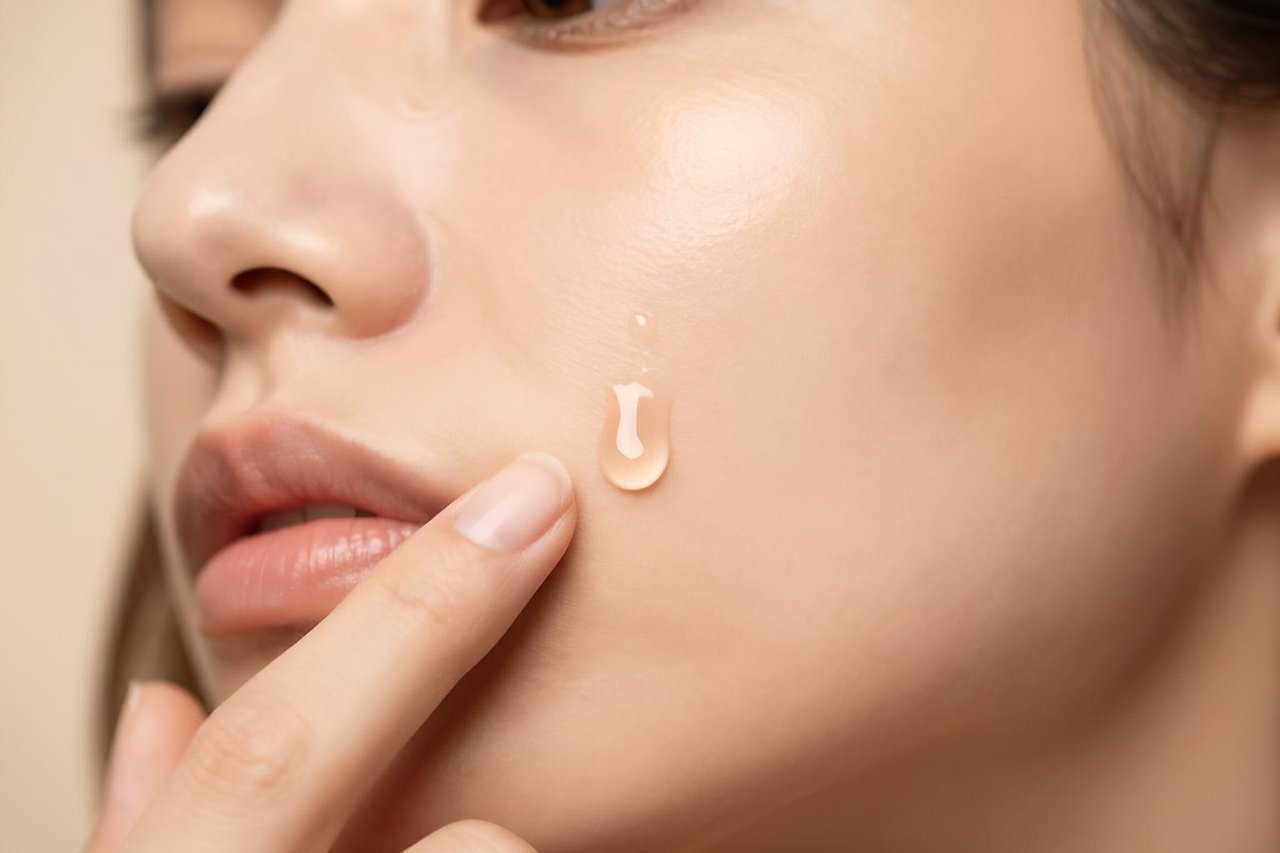
Step 2: Use a Barrier Repair Serum
Serums are the most effective way to deliver repairing ingredients deep into the skin. Look for formulas containing ceramides, niacinamide, or panthenol. If you need a place to start, these best barrier repair serums are formulated to rebuild the lipid layer and soothe irritation. Just remember to patch test before slathering anything new on.
Step 3: Don’t Skip Moisturizer
Even if your skin feels oily, skip a heavy cream? No. A damaged barrier often overproduces oil to compensate for lost moisture. That oil can trigger breakouts. So you want a moisturizer that contains a mix of humectants (like glycerin) and occlusives (like shea butter) to both hydrate and seal.
Step 4: Pause All Exfoliating and Actives
This is non-negotiable. Put away your retinol, AHAs, and even vitamin C for at least two weeks. Your skin needs to renew itself without any extra interference. Once the sensitivity subsides, you can reintroduce actives one at a time, every other night.
Step 5: Wear Mineral SPF Every Day
Without sunscreen, your damaged barrier won’t heal. UV rays continue to break down the lipid matrix and trigger inflammation. Use a physical blocker like zinc oxide, which sits on top of the skin and is less likely to cause burning. Apply a generous amount every morning, even when it’s cloudy.
Step 6: Address Any Underlying Skin Conditions
If your skin isn’t improving after a few weeks, you might be dealing with something more serious than a cosmetic disturbance. Eczema, rosacea, or perioral dermatitis can all prevent your barrier from healing. For chronic redness and flushing, a targeted approach might be needed. Check out this science-backed guide to rosacea treatment to understand your triggers. And if things still don’t improve, see a dermatologist.
The Best Ingredients for Skin Barrier Repair
Knowing what to put on is half the battle. Here are the heavy hitters:
- Ceramides (types NP, AP, or EOP). These mimic your skin’s own lipids and are essential for rebuilding the protective barrier.
- Niacinamide (vitamin B3). It boosts ceramide production, reduces inflammation, and rolls back post-redness hyperpigmentation.
- Panthenol (pro-vitamin B5). Great for calming irritation and reducing water loss while aiding repair.
- Squalane. A lightweight, non-comedogenic oil that absorbs instantly and strengthens the barrier.
- Allantoin. A botanical extract that soothes skin and encourages new cell growth without irritating.
- Centella asiatica (tiger grass). Known as cica, this plant compound has powerful anti-inflammatory and wound-healing properties.
You’ll also want to avoid these while healing: essential oils, denatured alcohol, fragrance, and anything labeled “detoxifying” that promises a deep clean. These ingredients or activities will simply undo your progress.
How Long Does Skin Barrier Repair Take?
If you damage your barrier overnight by over-exfoliating, you can bounce back in roughly two to three weeks. But if you’ve spent months or years using harsh products and prescription-strength actives, it can take up to four months to restore balance. A 2019 study found that patients who stopped using harsh cleansers saw a measurable improvement in barrier function within three weeks. Give your skin time. Don’t expect overnight results.
A Simple Barrier Repair Routine
Here’s a minimalist routine you can follow while your skin is recovering:
- Morning: Splash your face with lukewarm water, apply a soothing serum, then a moisturizer, then mineral SPF.
- Night: Wash with a gentle cream cleanser, pat dry, apply the same serum, then a slightly richer moisturizer if your skin feels dry.
- Once or twice a week: You can use a fragrance-free, hydrating sheet mask if you want, but even that isn’t necessary.
The goal is to give your skin the building blocks it needs and then get out of the way. No scrubs, no alcohol toners, no clay masks. Just gentle cleansing and hydration.
Common Mistakes That Slow Down Recovery
You’d be surprised how many people accidentally sabotage their repair process. Watch out for these:
- Piling on too many oils. Some oils can feed fungal acne, so stick to non-comedogenic squalane or emollient creams.
- Washing your face too often. Two times a day is the absolute max. Three is a crime.
- Using a clay or peel-off mask. These strip the oil and moisture you’re trying to retain.
- Going to sleep with makeup on. Leftover makeup can trap bacteria and irritants, prolonging your breakout cycle.
How to Keep Your Skin Barrier Healthy Long-Term
Once your barrier is fully repaired, the battle isn’t over. You have to change the habits that broke it in the first place.
First, be strategic with your exfoliation. Most people should exfoliate no more than once a week with a mild chemical peel, not a scrub. If you have dry, sensitive skin, you might even use an enzyme mask. For extra tips, check out these dermatologist-approved dry skin remedies. They work regardless of your budget.
Second, sleep is your skin’s repair time. During deep sleep, your body produces more collagen and ceramides. If you’re skimping on shut-eye, your barrier will eventually show the wear. Try to get seven or eight hours and keep the bedroom humid, especially in winter.
Third, eat for your skin. Diets rich in omega-3 fatty acids (think salmon, walnuts, flaxseed) support the production of healthy skin lipids. Load up on fruits and vegetables high in vitamin C and antioxidants, which neutralize the free radicals that damage the barrier.
Finally, keep a barrier repair serum in your routine as a maintenance step. It’s like flossing: you don’t need it as desperately once you’re healthy, but it prevents future damage. And if you ever get that tight, stinging feeling again, you’ll know exactly what to do. Repair starts with understanding your skin, not fighting it.


