
Table of Contents
Few things feel as personal as your hair. When it starts thinning, the urge to fix it is immediate. Walk into any pharmacy or scroll through social media, and you’ll face a dizzying array of serums, gummies, shampoos, and laser caps, each promising to restore your mane. Some of these products are backed by rigorous science. Others are just creative marketing. Learning to tell the difference saves you money, time, and emotional energy. Here’s a practical breakdown of the hair growth products that deserve your attention and the ones you can safely skip.
Why Hair Thins: The Biology Before the Bottle
Before you reach for any product, it helps to understand the root cause. Male and female pattern baldness, or androgenetic alopecia, is driven by genetics and hormones, specifically dihydrotestosterone (DHT), which shrinks hair follicles over time. Around 50 million men and 30 million women in the U.S. experience this form of hair loss, and it’s the most common culprit.
But genetics aren’t the only factor. Chronic stress can push large numbers of hairs into the resting phase, a condition called telogen effluvium. Thyroid imbalances, iron deficiency, low vitamin D, and even rapid weight loss can accelerate shedding. For some people, hair loss is temporary and reverses once the underlying issue is addressed. For others, it’s progressive. Knowing which category you fall into shapes your decision. If you’re unsure, a dermatologist can perform a quick scalp exam and blood work. For a deeper look at treatment options sorted by cause, the hair loss treatment guide offers a solid starting point.
The Main Types of Hair Growth Products
Hair growth products generally fall into four categories: topical applications, oral supplements, light-based devices, and cosmetic hair care. Each works differently, and many people use a combination.

Topical Treatments: Minoxidil and Beyond
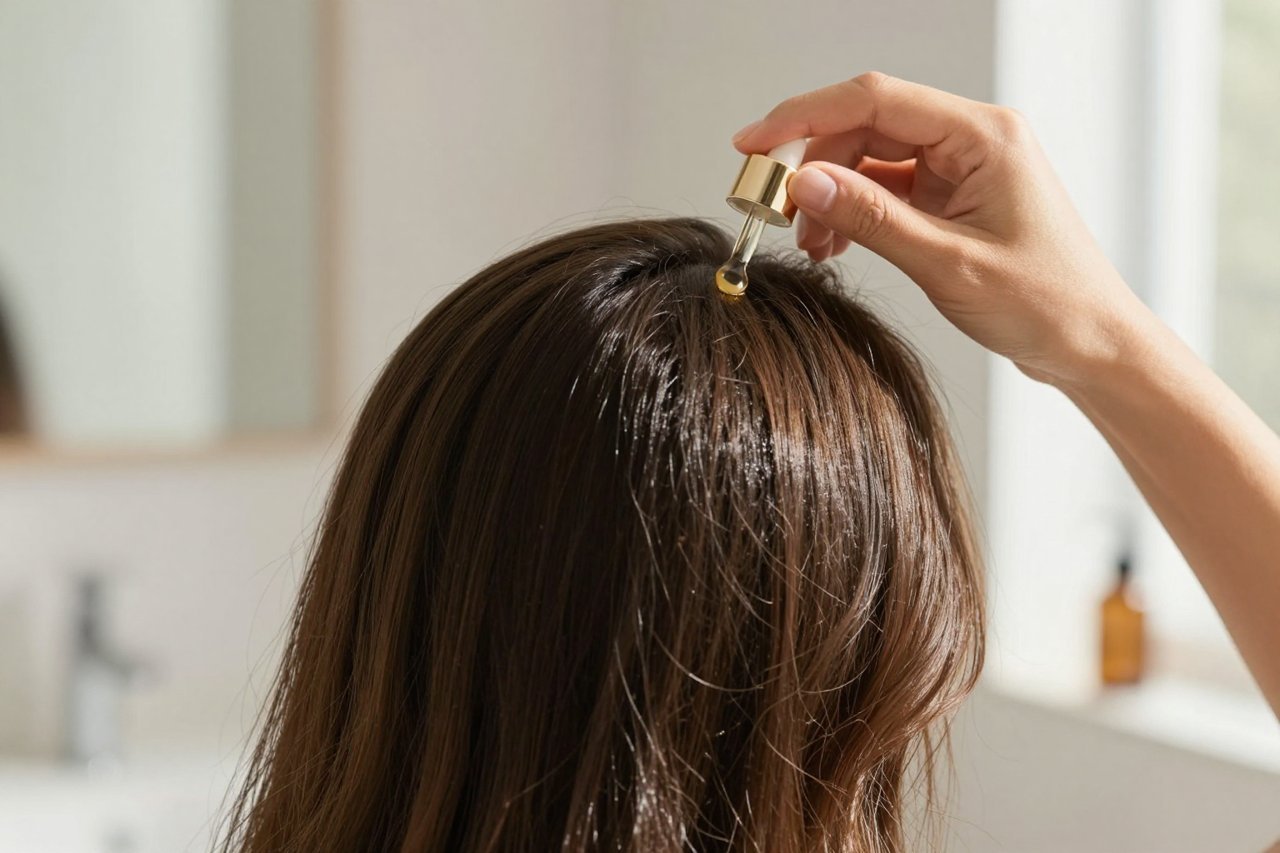
Minoxidil, sold under the brand name Rogaine, remains the most proven over-the-counter topical treatment. It’s FDA-approved for both men and women and works by widening blood vessels and stimulating hair follicles to re-enter the growth phase. Clinical studies show that 5% minoxidil foam, applied once daily, can produce noticeable regrowth in about 40-50% of users within six months. A common misconception is that minoxidil works immediately. In fact, many people experience a temporary shed during the first four to six weeks as old hairs fall out to make way for new ones. Persistence pays off, but the benefits stop if you stop applying it.
Beyond minoxidil, prescription creams combine ingredients like finasteride, spironolactone, or even low-dose corticosteroids. Newer formulations include peptide complexes and growth factors. These aren’t new buzzwords; they’re actual signaling proteins that encourage cellular repair. In dermatology, growth factors play a role in skin renewal, and they’re increasingly being investigated for follicle stimulation. A compounding pharmacy can tailor these creams to your specific needs, but they require a prescription and a knowledgeable doctor.
Oral Supplements: What the Evidence Says
Walk into any wellness store, and you’ll see a wall of hair, skin, and nail vitamins. Biotin gets the most hype, yet clinical trials show that biotin only helps if you’re genuinely deficient, which is rare for healthy people. Excess biotin simply gets flushed out in your urine.
That said, certain nutraceuticals have shown promise. Saw palmetto, ashwagandha, and marine collagen appear in many popular supplements. The most well-known brand, Nutrafol, funds its own studies that show improvements in hair density and thickness over six months. Their formulas target multiple pathways, including inflammation and hormonal imbalance, rather than just vitamins. A detailed Nutrafol review breaks down the research and the price tag. If you go this route, check with your doctor about interactions, especially if you take blood thinners or hormonal medications.
Low-Level Laser Therapy (LLLT)
Laser caps and combs use red light in the 650-680nm range to increase blood flow and cellular energy in the scalp. The FDA has cleared several LLLT devices for treating hereditary hair loss, and peer-reviewed studies report a 20-35% increase in hair density after six months of consistent use, typically three times per week.
These devices aren’t cheap, with quality helmets ranging from $400 to over $1,500. The convenience factor matters. A cap you wear for 10-30 minutes while watching TV is easier to stick with than applying messy serums. If you’re on the fence, this LED hair growth helmet review shares real user experiences and before-and-after expectations.
Natural Hair Care and Styling Products
Shampoos, conditioners, and leave-in creams don’t typically grow hair, but they can protect and strengthen what you have. Look for ingredients like saw palmetto, pumpkin seed oil, rice water, and biotin-based formulas that add volume and reduce breakage. These are especially valuable for people with dry, damaged hair, since breakage can mimic thinning. A nourishing hair milk for dry and damaged hair can improve texture and reduce split ends.
A useful bullet list to keep in mind when evaluating any natural product:
- Does the label list active ingredients with concentration percentages?
- Is there a clinical trial or peer-reviewed study on this exact formula?
- Does the company provide before-and-after photos with disclaimers?
- How long have they been in the market? Persistent brands tend to be more reliable.
How To Pick the Right Product for Your Situation
Start by getting a clear picture of your hair loss pattern. Are you noticing a widening part, a thinning crown, or a receding hairline? Women often see diffuse thinning along the top of the scalp, while men follow the Norwood scale. Then consider what you’re okay with in terms of effort and long-term commitment.
Minoxidil works well for anyone, but it requires daily application and comes with a sticky residue for some hair types. Oral supplements are simpler but take at least three to four months to show any visible change. Laser caps are foolproof but expensive. If you are losing hair rapidly or have underlying health symptoms like fatigue or irregular periods, treat the medical condition first. The hair restoration overview outlines the full range of products, costs, and surgical options if you want a complete comparison.
Another critical factor is whether the product is gender-specific. Women’s hair loss can be triggered by pregnancy and menopause, and historically, finasteride is not recommended for premenopausal women due to potential birth defects. Always read the label and discuss with a healthcare provider.
What Realistic Results Look Like
The internet is full of dramatic transformations, but real regrowth is slow and gradual. With minoxidil, you may see a layer of fine vellus hair after four months, which then thickens over the next year. With LLLT, consistent users report visible improvement at the six-month mark. Nutrafol and other supplements often require a full six-month cycle before you can judge effectiveness.
One big mistake is expecting a permanent cure. Androgenetic alopecia is a chronic condition. Effective hair growth products give you a head start, but you need to keep using them to maintain the gains. Stop minoxidil, and you’ll revert to the same hair loss you would have had naturally within a few months. This isn’t failure; it’s how the biology works.
Expect a plateau, too. Many products produce most of their regrowth in the first six to twelvemonths, then simply maintain. That’s actually a good sign, because it means you’ve stabilized the loss.
Building Your Hair Growth Routine
Combining approaches often gives the best outcome. A common stack is minoxidil at night, a laser helmet every other day, and a vitamin D, iron, or nutraceutical supplement depending on your deficiencies. This multi-angle approach tackles blood flow, cellular energy, and nutritional gaps simultaneously. Start with one product to see how your scalp and hair handle it, then add the second after two or three weeks.
Consistency is the single strongest predictor of success. Pick a routine you can maintain for a year, not a week. Set a phone reminder for your application, keep the laser helmet by your couch, and store supplements in a place you see every morning. If you miss a day, get back on track immediately. Skip a month, and you’ve undone progress.
And pay attention to your overall hair care habits. Heat styling, bleach, and tight hairstyles cause mechanical damage that makes even the healthiest scalp hair look thin. Use a heat protectant, Air-dry when you can, and treat your hair gently when it’s wet. Combining strong growth products with less breakage gives you a better shot at seeing real length and thickness.
Ultimately, the most effective hair growth products are the ones you can trust and stick with. Start with proven ingredients, set a realistic timeline, and let your dermatologist guide you. Your hair grows about half an inch per month, so patience isn’t just a virtue here, it’s a requirement.


