
Table of Contents
COPD, short for chronic obstructive pulmonary disease, makes the simple act of breathing feel like hard work. It’s a progressive condition, but that doesn’t mean you have to accept a steady decline. With the right COPD treatment plan, many people regain stamina, suffer fewer setbacks, and keep doing the things they love. The key is understanding what treatments are out there and how they fit together.
What COPD Treatment Really Tries to Do
There’s no cure for COPD, and treatment focuses on four main goals: opening the airways to ease breathing, reducing inflammation, preventing and treating exacerbations, and maintaining your quality of life. A good plan is never one-size-fits-all. Your age, lung function, symptoms, and how often you have flare-ups all shape which treatments you use and how aggressively you use them.
Most experts recommend a stepwise approach. Start with lifestyle changes and one or two medications, then add more if symptoms are not controlled. The aim is to keep you as active as possible while slowing the damage to your lungs.
Medication: The Backbone of COPD Treatment
The most common COPD treatment begins with inhalers, not pills. These deliver medication straight to the lungs, where it works quickly and with fewer side effects.

Bronchodilators: Opening the Airways
Bronchodilators relax the muscles around your airways, making it easier to move air in and out. They come in two types: short-acting, which you might take during a bout of breathlessness, and long-acting, which you take once or twice a day for sustained control. Long-acting bronchodilators, such as tiotropium, salmeterol, or formoterol, are the mainstay of daily COPD treatment. They reduce symptoms, improve exercise tolerance, and lower the risk of flare-ups.
Inhaled Corticosteroids: Calming the Inflammation
Some people benefit from adding an inhaled corticosteroid to their bronchodilator. This combination therapy is typically reserved for patients who have frequent exacerbations, lower lung function, or a history of asthma alongside COPD. Steroids don’t open the airways directly, but they reduce swelling and mucus production, which makes the airways less twitchy.
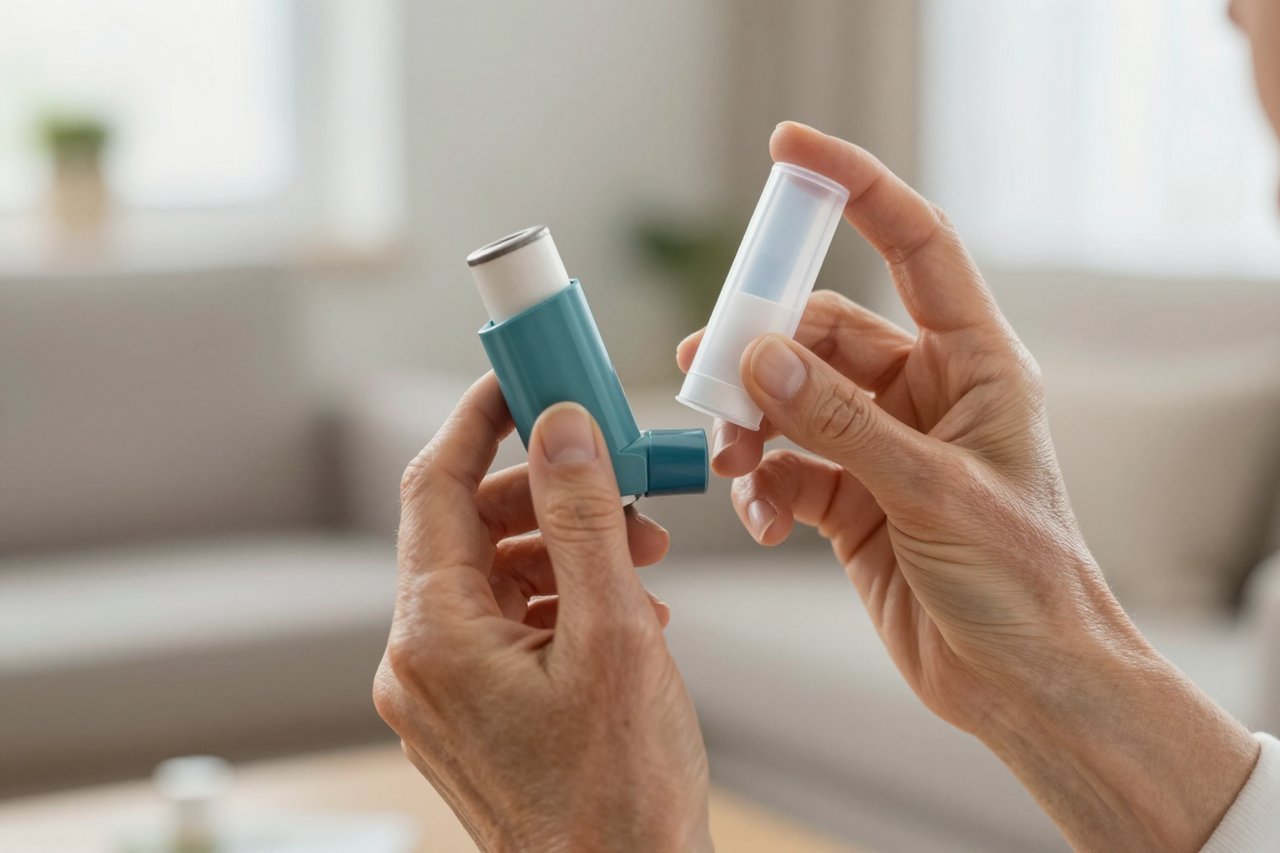
Inhaler technique matters far more than most people realise. A national audit once found that over 80% of patients used their inhaler incorrectly, meaning the medication never reached the lungs. Whether you have a metered-dose inhaler or a dry-powder device, ask your pharmacist to check your technique and watch a demonstration video until it feels natural.
Pulmonary Rehabilitation: Training Your Lungs and Your Confidence
Medication alone won’t rebuild your stamina. That’s where pulmonary rehabilitation comes in. It’s a structured program done in a class or at home, combining exercise training, breathing techniques, and education about COPD. Think of it as a gym membership designed specifically for people with lung disease.
A typical program runs six to eight weeks, with sessions two or three times a week. You’ll learn how to pace yourself, how to breathe through pursed lips, and how to use your core muscles to help shift trapped air. Studies show that pulmonary rehabilitation can reduce breathlessness, increase exercise capacity, and lower the odds of a hospital readmission after a flare-up. For many, it’s the single most effective part of their COPD treatment plan.
Nutrition is often part of the rehabilitation process, because eating well gives you energy and maintains muscle mass. If you’re losing weight unintentionally or have problems cooking without getting winded, a referral to a dietitian can help. There are plenty of practical tips in this guide to COPD treatment, prevention, and diet that you can start using immediately.
Oxygen Therapy and Breathing Support
If your oxygen levels drop during everyday activities or when you sleep, supplemental oxygen might be a necessary addition to your COPD treatment. Long-term oxygen therapy means breathing in extra oxygen through a nasal cannula for at least 15 hours a day. That might sound restrictive, but it often boosts energy, reduces morning headaches, and protects your heart from the strain of chronic low oxygen.
Some people use oxygen only during exercise, while others need it all day. A test called a blood gas measurement determines whether you qualify, and your equipment provider will set up a system that fits your lifestyle.
For people with advanced disease, non-invasive ventilation can support breathing during sleep. It uses a mask to push air into the lungs, which removes excess carbon dioxide and gives your diaphragm a rest. It’s not the same as oxygen, but it can be a game-changer for those who wake up tired or suffer from fluid retention.
Lifestyle Changes That Work Alongside Medication
No COPD treatment plan works if you keep smoking. Quitting is hard, but it’s the most powerful intervention you can make. The lungs are surprisingly resilient; once you stop, the rate of decline slows to that of a non-smoker, especially if you quit before severe airflow obstruction develops.
Vaccinations also play a critical role. Flu shots, pneumococcal vaccines, and the newer COVID-19 boosters aren’t just about convenience. They prevent the respiratory infections that often trigger COPD flare-ups.
Daily activity is equally important. You don’t need to run a marathon, but regular walking, light cycling, or chair exercises keep your muscles conditioned. When you move, your heart and lungs learn to work more efficiently, so every step gets a little easier.
It’s also worth staying alert to the early signs of a respiratory infection. Since chronic bronchitis is a common form of COPD, knowing what bronchitis treatment that works looks like can help you act fast when a cough turns productive.
Surgical Options for Severe COPD
When medication and rehabilitation reach their limits, surgery can be considered for a small number of patients. A bullectomy removes giant air spaces, called bullae, that compress healthy lung tissue. Lung volume reduction surgery removes the most emphysematous parts of the lung, allowing the healthier areas to expand and work better. Both procedures have strict selection criteria, and the improvements can be dramatic for the right candidates.
For younger patients with end-stage COPD, a lung transplant is an option. It offers a chance at much better quality of life, but it comes with a long recovery and lifelong immune-suppressing drugs. Decisions like this should be made with a multidisciplinary team at a specialist centre.
Preventing and Managing Flare-Ups
A flare-up, also known as an exacerbation, is a sudden worsening of symptoms that lasts days or even weeks. Fall, winter, and damp weather bring the highest risk. The typical signs are:
- More breathlessness or wheezing than usual
- A change in the colour, amount, or thickness of mucus
- A new or worsening cough
- Fever, chest tightness, or confusion
If you notice these signs, act early. That means using a rescue inhaler, taking prescribed antibiotics or steroids if your doctor has given them to you, and knowing when to seek urgent help. Many respiratory teams offer an exacerbation action plan and a supply of rescue medication so you can treat problems at home rather than waiting until they snowball.
Stopping flare-ups matters because each one accelerates lung decline. Recovering from an exacerbation is part of the treatment cycle, and committing to rehabilitation afterwards can rebuild what you lost.
COPD Rarely Happens in Isolation
It’s increasingly common to have more than one lung condition, and that affects your treatment. Some people have both COPD and asthma, known as asthma-COPD overlap syndrome. This combination usually needs combination inhalers that include a corticosteroid. The approach is similar to asthma treatment, but with a closer eye on persistent symptoms and lung function decline.
Another frequent complication is pulmonary hypertension, which is high pressure in the arteries of the lungs. It makes the right side of the heart work harder and can make breathlessness worse. If you’ve noticed swollen ankles, chest pressure, or bluish lips, ask your doctor whether you need an echocardiogram. Options like oxygen therapy and specific pulmonary hypertension medications can make a big difference, and the pulmonary hypertension treatment landscape has expanded in recent years.
The best COPD treatment plan is one that evolves with you. Lung function changes, seasons change, and your own priorities shift. Work with your healthcare team to tweak medications, update your action plan, and keep moving. Every step you take, on good days and challenging ones, is part of slowing the progression and living better with COPD.


