
Table of Contents
COPD is often described as a smoker’s disease, but that label misses a lot. Chronic obstructive pulmonary disease includes chronic bronchitis and emphysema, and it develops when airways and air sacs are damaged over years. Some people with COPD never smoked. Others smoked only briefly but spent decades in a dusty trade. The damage shows up in different ways, which is why COPD sits alongside asthma, bronchiectasis, and other respiratory diseases that affect the airways.
Doctors look at the top 7 risk factors for COPD below because each one adds to the chance of narrowed airways, trapped air, and breathlessness. Some are within your control. Others are not, but they still matter for screening and early treatment.
- Tobacco smoke: cigarettes, pipes, cigars, and water pipes.
- Secondhand smoke: exposure at home, in vehicles, or at work.
- Occupational dust and fumes: mining, welding, construction, farming, and chemical work.
- Air pollution: traffic exhaust, wildfire smoke, and indoor biomass burning.
- Alpha-1 antitrypsin deficiency: an inherited protein problem that damages lungs early.
- Childhood infections and asthma: severe early infections and poorly controlled asthma.
- Age and social factors: older age, poverty, poor housing, and limited healthcare access.
1. Smoking and Other Tobacco Use
Cigarette smoke is the strongest single risk factor. It contains thousands of chemicals that inflame the airway lining and destroy alveoli, the tiny air sacs where oxygen enters the blood. Risk climbs with pack-years. One pack-year means smoking a pack a day for a year. A pack a day for 20 years equals 20 pack-years; two packs a day for 10 years equals the same. Many people who develop COPD have a 10- to 20-pack-year history, though some get it with far less.
Why quitting still matters
Pipes, cigars, and water pipes are not safe substitutes. Cannabis smoke can irritate airways too, though the evidence is less settled. Quitting at any age slows the decline in lung function and reduces flare-ups. COPD is not the only condition tied to smoking; lung diseases such as lung cancer and chronic bronchitis share many of the same triggers.

2. Secondhand Smoke
Breathing someone else’s smoke counts as exposure. Children who grow up in smoky homes have more respiratory infections and poorer lung function. Adults exposed at home or in smoky workplaces have a higher COPD risk than people with little exposure, though the risk is lower than smoking yourself. Opening a window or running a fan does not remove the fine particles. A smoke-free home is the only reliable fix.
3. Workplace Dust, Fumes, and Chemicals
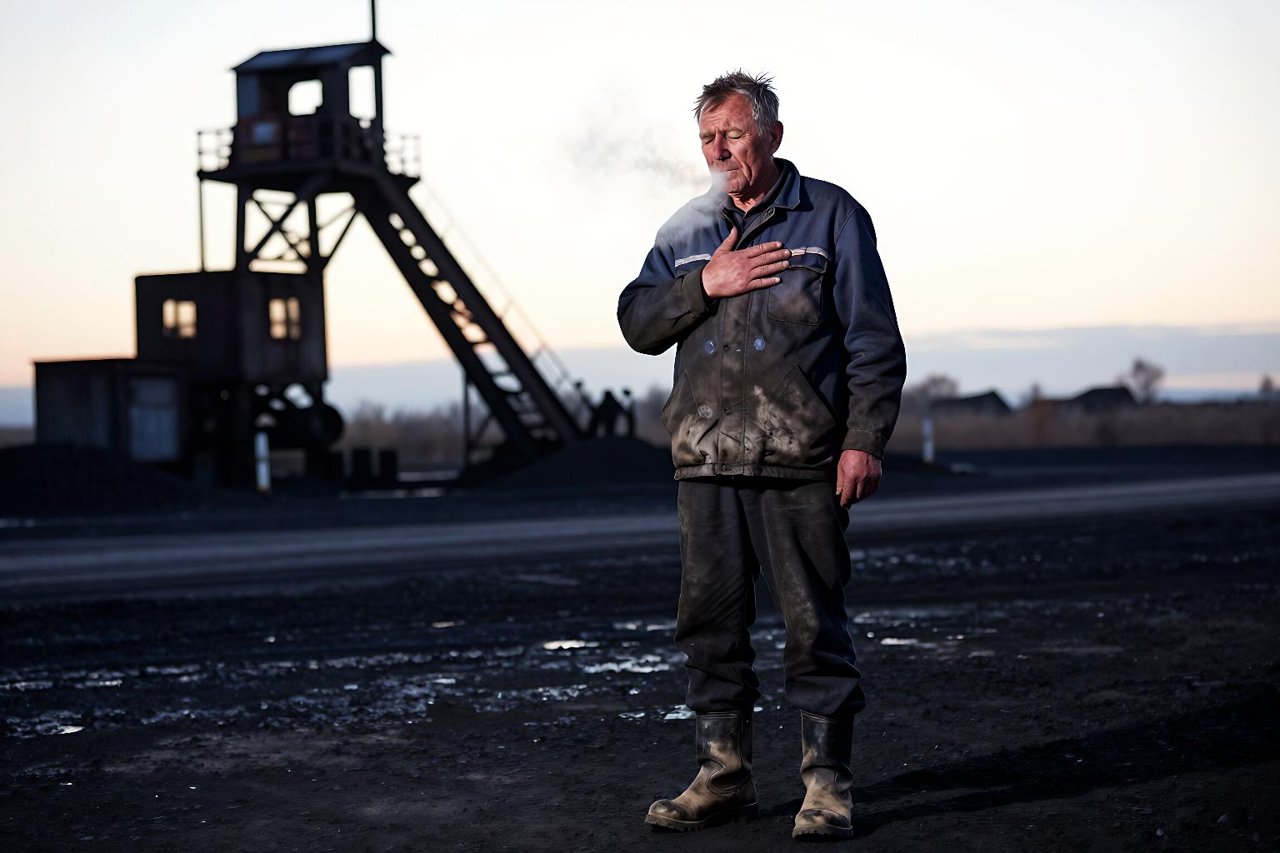
Occupational exposure is an under-recognized cause. Mining, construction, welding, farming, textile work, painting, and chemical manufacturing all involve dusts or vapors that can damage airways. Silica, coal dust, grain dust, cotton dust, welding fumes, and solvents are common culprits. Studies suggest a sizable minority of COPD cases, perhaps 15% to 20%, are linked to workplace exposures. Some people develop COPD from work without ever smoking. If your job exposed you to dust or fumes, tell your doctor. A good work history can change the diagnosis.
4. Air Pollution, Outdoors and Indoors
Outdoor pollution from traffic, industry, and wildfire smoke irritates airways and can trigger flare-ups. Long-term exposure raises COPD risk, especially in cities with high particulate levels. Indoor pollution can be just as serious. Burning wood, charcoal, coal, or crop waste for cooking and heating in poorly ventilated homes exposes families to very high particle levels. Worldwide, this is a major contributor to COPD, particularly among women in low- and middle-income countries. COPD is one of the most common diseases worldwide partly because these exposures are so widespread.
5. Alpha-1 Antitrypsin Deficiency and Family History
Alpha-1 antitrypsin is a protein that protects lung tissue from damage. Some people inherit a deficiency that leaves the lungs vulnerable, causing early emphysema in their 30s or 40s, sometimes without smoking. It is uncommon, but testing is reasonable if you have COPD at a young age, emphysema as a nonsmoker, a family history of early lung disease, or unexplained liver disease. Other genes likely affect susceptibility too, which helps explain why only some smokers develop COPD.
6. Childhood Respiratory Infections and Asthma
Lungs keep growing through adolescence. Severe infections in early childhood, such as pneumonia, bronchiolitis, or whooping cough, can leave airways more vulnerable. Asthma and airway hyperresponsiveness also raise the risk of persistent airflow obstruction, especially when asthma is poorly controlled. Premature birth and low birth weight can reduce maximum lung function, leaving less reserve as the lungs age. These factors do not guarantee COPD, but they shift the odds.
7. Age, Sex, and Social Factors
COPD becomes more common with age because lung function naturally declines and damage accumulates. Men historically had higher rates, but in many countries women now develop COPD at similar or higher rates, reflecting smoking patterns and possibly biological differences. Social factors matter as well. Poverty, poor housing, limited healthcare access, and workplace exposures often cluster together. People with fewer resources may be exposed to more pollution and smoke and be diagnosed later. COPD also often travels with other chronic conditions that affect adults, including heart disease, diabetes, and osteoporosis.
What to Do If Several Risk Factors Apply to You
Risk factors stack. A former smoker who welded for 20 years and grew up with a parent who smoked has a different risk profile than someone with one brief exposure. You cannot change your genes or childhood infections, but you can change current exposures.
Ask for spirometry if you have a persistent cough, mucus, wheeze, or breathlessness that worsens with activity. Spirometry is a simple breathing test that measures how much air you can force out and how quickly. It is needed to diagnose COPD. Do not assume breathlessness is just aging, and do not accept a diagnosis based on symptoms alone.
Practical steps include quitting smoking, avoiding smoke and fumes, wearing proper respiratory protection at work, and improving ventilation at home. Vaccines against flu, COVID-19, and pneumococcal disease reduce infections that can damage lungs or trigger flare-ups. Pulmonary rehabilitation improves stamina and quality of life for people who already have COPD. Many of these steps overlap with preventable diseases you can actually do something about. If climbing a flight of stairs leaves you more winded than it did a year ago, book a lung function test rather than waiting for the next winter.


