
Table of Contents
Few things ruin your morning faster than catching a dusting of white flakes on a dark shirt. You’ve washed your hair, you’ve scratched the itch, and yet the dandruff keeps coming back. The problem isn’t necessarily your hair. It’s your dandruff treatment — or more likely, the way you’re using it.
Dandruff affects nearly half the adult population at some point. It’s often chronic, and it’s not caused by poor hygiene. For most people, it’s a mild form of seborrheic dermatitis, a condition driven by an overgrowth of yeast on the scalp. If you want the full medical rundown, our guide to seborrheic dermatitis treatment explains why it flares up and how dermatologists approach stubborn cases.
Why Dandruff Isn’t a Dryness Problem
First, let’s clear up the most common myth. Dandruff is not dry scalp. Dry scalp produces small, powdery white flakes and feels tight. Dandruff, by contrast, is oily. It comes with larger, yellowish flakes and often an inflamed, itchy scalp.
The real culprit is Malassezia, a yeast that lives naturally on almost everyone’s scalp. It feeds on the sebum your scalp produces. As it breaks down the oil, it leaves behind oleic acid. A lot of people’s skin finds this irritating, so the scalp responds by ramping up skin cell turnover. The result? Clumps of dead skin that shed as flakes. That’s why simply moisturizing your scalp won’t fix it. You need to control both the yeast and the inflammation.

Dandruff Treatments That Actually Work
The most effective dandruff treatment starts with a medicated shampoo containing one of these active ingredients. Each works a little differently, so it’s worth understanding what you’re buying.
Zinc Pyrithione: The Everyday Standard
Zinc pyrithione is the most common active in dandruff shampoos, and for good reason. It’s an antifungal and antibacterial that directly targets Malassezia. Over-the-counter shampoos usually contain 1% zinc pyrithione. Studies show it significantly reduces flaking and itching in about two to four weeks when used consistently. If you have mild dandruff, this should be your first stop. It’s also gentle enough for daily use, though every other day is usually fine.
Ketoconazole: The Medicated Heavy Hitter
Ketoconazole is the stronger, prescription-grade option. It’s a true antifungal that kills the yeast rather than just slowing it down. You can buy 1% ketoconazole over the counter, and dermatologists often prescribe 2% versions. A 2014 study found that 2% ketoconazole shampoo used twice a week kept symptoms at bay for longer than selenium sulfide over a five-year period. The catch? It can be drying, so use a conditioner afterwards. It’s also the treatment dermatologists recommend for stubborn dandruff that hasn’t responded to zinc.
Salicylic Acid: Best for Stubborn Buildup
Salicylic acid isn’t antifungal, but it’s a keratolytic, meaning it helps dissolve the bonds between dead skin cells. That makes it brilliant for clearing the thick, crusty scale that builds up when you’ve left dandruff untreated. Shampoos with 2-3% salicylic acid exfoliate the scalp and make the other treatments more effective. Don’t use it every day, though. It can dry and irritate skin if overdone.
Selenium Sulfide: Strong But Smelly
Selenium sulfide slows down the growth of Malassezia and also reduces the turnover of skin cells. It’s very effective, but it has a few downsides. It tends to smell like sulfur, and in 1% concentrations it can leave hair feeling dry or greasy depending on your hair type. If you use it, leave it on for three to five minutes before rinsing — and don’t skip the conditioner.
Coal Tar: Old-School and Effective
Coal tar has been used for decades. It works by slowing the skin cell turnover that creates flakes. It’s especially useful for thick, scaly scalp buildup. But it stains, it stinks, and it makes your scalp temporarily more sensitive to sunlight. For most people, it’s a better second or third choice than a first option. If you do use it, rinse thoroughly and wear a hat if you’re going outside.
How to Use Dandruff Shampoo Correctly (Most People Get This Wrong)
Here’s the biggest reason dandruff treatments fail: people wash it off too soon. Medicated shampoos need time on the scalp. That’s not a suggestion; it’s the instructions. If you leave the suds on for less than a minute, you’re probably wasting the product.
Here’s what works:
- Wet your hair completely, then apply the shampoo directly to your scalp, not your strands.
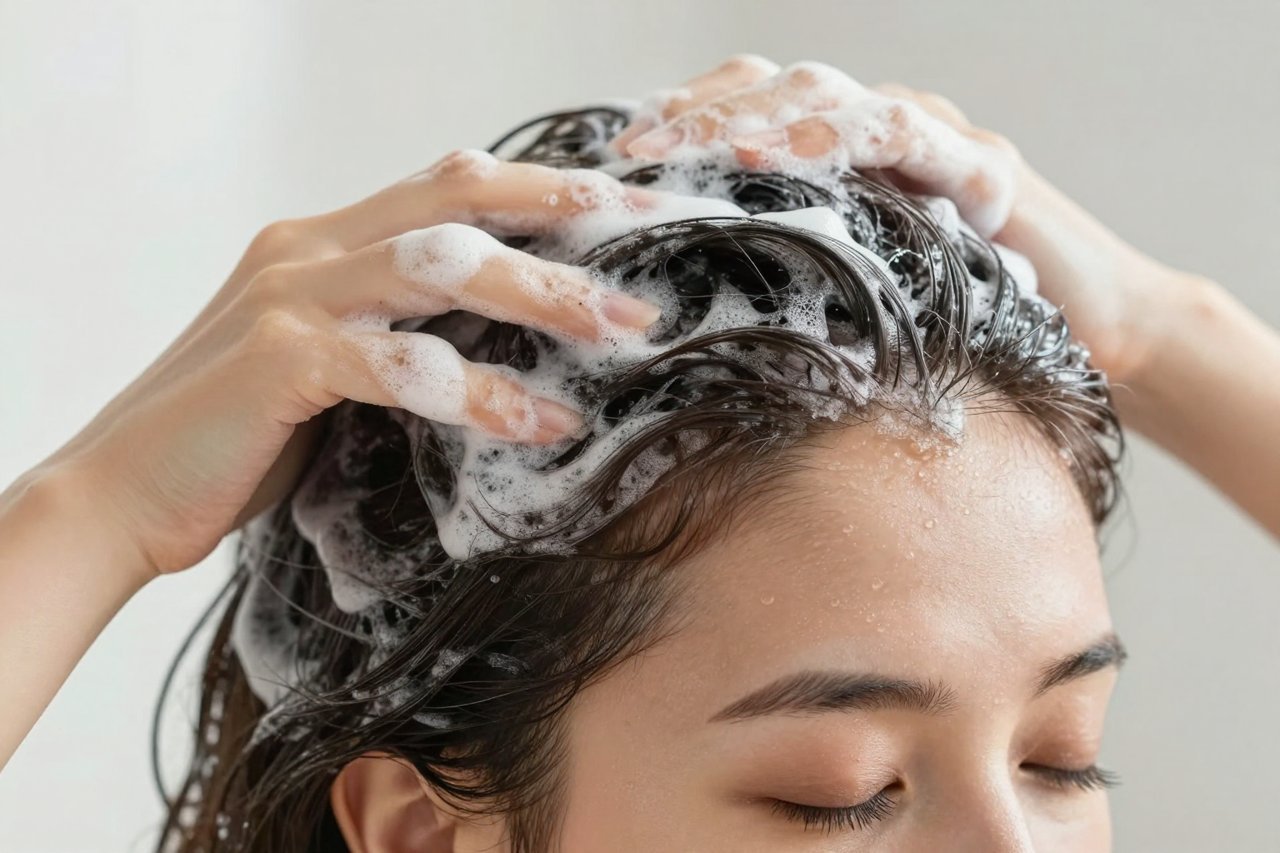
- Massage it in with your fingertips — not nails — for two or three minutes.
- Leave it on for the time written on the label, usually three to five minutes.
- Rinse with lukewarm water. Hot water can strip the scalp’s natural oils and trigger extra sebum production.
- If your dandruff is severe, don’t wash it daily. Start with every two or three days, and once your scalp settles, drop to once a week.
For maintenance, many people rotate between two shampoos — for example, zinc pyrithione on one wash and a gentler everyday shampoo the next. If your hair ends are dry, you can pair your medicated wash with one of the 11 best shampoos and conditioners for dry hair, so your scalp gets treatment without turning your lengths into straw.
Natural Dandruff Treatments: What’s Worth Trying and What’s Hype
You’ll see countless bogus claims online, but a handful of natural ingredients have real evidence behind them. Tea tree oil is the strongest contender. One study found that 5% tea tree oil shampoo reduced dandruff severity by 41% after four weeks, compared to 11% for placebo. Just be careful: use it diluted, and do a patch test first. Pure essential oil can irritate your skin.
Aloe vera gel can soothe the itching and redness that come with dandruff. It won’t remove flakes on its own, but it makes the scalp less reactive while you’re using a medicated shampoo. Apple cider vinegar rinses are popular, but there’s no evidence they kill Malassezia. In fact, undiluted vinegar is acidic enough to cause chemical burns on your scalp. Skip it.
Also, no amount of baking soda exfoliation is going to fix a yeast problem. You’ll just end up with a damaged skin barrier and angrier scalp.
When to See a Dermatologist
If you’ve tried a proper medicated shampoo — leaving it on long enough, using it consistently for four weeks — and your scalp still looks like a snow globe, it’s time to get help. The same goes for signs of infection: swelling, oozing, severe redness, or flakes so thick that they pull out chunks of hair. These can indicate more than dandruff, like psoriasis, fungal infections, or contact dermatitis.
Dandruff itself doesn’t usually cause hair loss, but intense scratching can damage follicles. If you’ve noticed shedding alongside your dandruff, don’t panic. Our article on hair loss treatment walks through what actually works and when to consider intervention. The sooner you calm the scalp, the less damage you’ll do.
How to Prevent Dandruff From Coming Back
Once it’s under control, you can’t just stop. Malassezia never goes away; it’s part of your skin’s natural microbiome. The key is regular management.
- Wash your hair two or three times a week with a medicated shampoo, even when your scalp looks clear.
- Keep a low-stress scalp routine. Over-washing and harsh products trigger oil production.
- Let your scalp breathe. Hats and beanie hats trap sweat and oil against the skin, which feeds the yeast.
- Eat a balanced diet. Some studies link low zinc and certain B vitamins to worse dandruff, although the evidence isn’t ironclad.
- Manage your stress. Stress hormones change your skin’s oil production, and outbreaks often follow high-pressure periods.
One last thing: you don’t need a cabinet full of miracle products. A single good medicated shampoo plus proper technique will take care of 90% of cases. Sometimes the simplest routines are the easiest to stick with — our favorite example is Chloe Fineman’s famously simple no-B.S. hair routine.


