
Table of Contents
Seborrheic dermatitis is that strange, stubborn condition that leaves greasy yellowish flakes on your scalp, behind your ears, or across your nose and chest. It’s not plain dandruff; dandruff is simply a mild form of this condition, but seborrheic dermatitis also brings redness and irritation. Many people treat it for years with random anti-dandruff shampoos and wonder why the flakes just come back.
Here’s the honest message: there is no one-size-fits-all seborrheic dermatitis treatment. But there are treatment tiers that work together. These are the actual strategies dermatologists rely on, from a $7 shampoo to prescription cream.
What Causes Seborrheic Dermatitis in the First Place?
Seborrheic dermatitis happens when a yeast that naturally lives on your skin, called Malassezia, feeds on the sebum (oil) your glands produce. For some people, the immune system overreacts to that yeast growth. The result is inflammation, itching, and an accelerated skin cell turnover that creates those oily flakes.
Certain triggers make it worse: cold and dry weather, stress, fatigue, hormonal changes, and even alcohol use. If a relative has seborrheic dermatitis or psoriasis, you’re more likely to develop it. Understanding your triggers is half the battle—the other half is using the right ingredients consistently.

Over-the-Counter Treatments That Actually Work
You don’t always need a doctor prescription to control mild to moderate seborrheic dermatitis. Pharmacies carry several proven active ingredients. Look for them as shampoos, creams, and foams.
Zinc Pyrithione (1%)
This ingredient attacks the yeast’s growth and is pretty gentle on skin. You’ll find it in many daily-use shampoos. If you get mild flaking on your face, a zinc pyrithione cleanser can be used there too, but start with it twice a week to avoid irritation.
Ketoconazole (1%)
Ketoconazole is a stronger antifungal that reduces Malassezia directly. The 1% version is available over the counter in most countries. A common mistake is rinsing it off too quickly. For better results, lather it into your scalp and leave it on for about five minutes before rinsing.
Selenium Sulfide (1%–2.5%)
Selenium sulfide slows yeast production and also reduces cell turnover. It’s effective but can be drying, so pair it with a moisturizing conditioner. Leave it on for at least two to three minutes, then thoroughly rinse.
Salicylic Acid
Salicylic acid doesn’t kill the yeast, but it breaks down the scale and helps other treatments penetrate better. It works well as an exfoliating shampoo, especially if you have thick, stubborn plaques on your scalp.
Coal Tar (0.5%–1%)
Coal tar slows skin cell growth, which helps reduce flaking, and also seems to have anti-inflammatory properties. It’s a bit messy and can smell like tar, but it works when other options don’t. Use it once a week, especially at night, and wash it out with a gentle shampoo the next morning if the smell lingers.
Here’s what a successful OTC rotation can look like:
- Weekdays: wash with a gentle, fragrance-free shampoo.
- Saturday: ketoconazole 1% shampoo, left for 5 minutes.
- Tuesday: zinc pyrithione shampoo, left for 3 minutes.
- Once a month: selenium sulfide shampoo to keep thick scale from building up.
This kind of rotation stops the yeast from getting used to any single active ingredient.
When to Step Up to Prescription Treatments
If you’ve used OTC products consistently for at least four weeks and still have obvious itching, redness, and thick flakes, it’s time to see a dermatologist. Prescription options include:
Topical Corticosteroids
These are used short-term to knock down severe inflammation and itch. A lotion like desonide 0.05% or a hydrocortisone butyrate solution can be applied directly to the scalp. Limit use to two weeks at a time—longer use can thin your skin and cause rebound flares when you stop.
Calcineurin Inhibitors
Pimecrolimus and tacrolimus creams are steroid-free options that reduce inflammation. They’re especially useful for the face, where steroids should be avoided. A small pea-sized amount once daily can control facial seborrheic dermatitis without affecting the delicate skin around your eyes.
Oral Antifungals
For severe, widespread cases, doctors occasionally prescribe oral itraconazole or fluconazole. These calm the yeast from the inside. They’re usually needed only for a few weeks, but they can interact with other medications, so your dermatologist will need your full drug list.
Medicated Shampoos: How to Use Them So They Actually Work
Most people fail at seborrheic dermatitis treatment because they use medicated shampoo like a regular shampoo. They lather for ten seconds, rinse, and wonder why nothing changes.
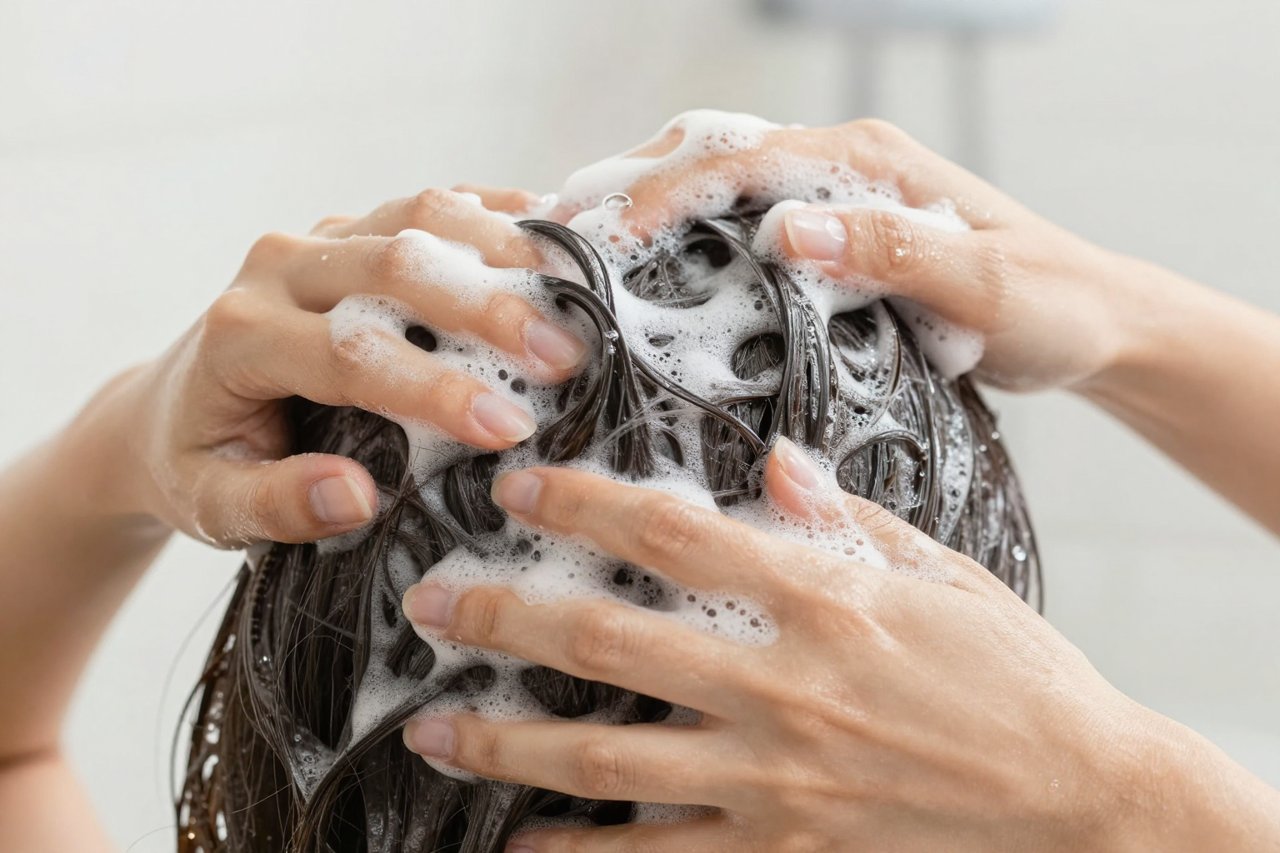
The key is contact time. Most anti-dandruff and antifungal shampoos need to sit on your scalp for three to five minutes to penetrate the outer layer of skin and reach the yeast. If your scalp has thick scale, use a salicylic acid shampoo first to lift the flakes, then follow with the antifungal shampoo.
Need a place to start? The 11 best shampoos for itchy scalps that we reviewed include options for sensitive skin, curly hair, and daily use, so you don’t have to guess.
Home Remedies That Support (Not Replace) Your Treatment
Some natural options genuinely help, but they work best as add-ons to the medicated products above.
- Aloe vera: Use pure gel from the leaf, not a fragrance-filled drink. Apply it to flaky areas overnight and rinse in the morning.
- Diluted tea tree oil: Mix 5–8 drops of pure tea tree oil into two tablespoons of a carrier oil like jojoba or not-organic coconut. Massage it in and leave for 15 minutes. Never apply tea tree oil straight from the bottle.
- Apple cider vinegar: Dilute one part vinegar with three parts water and use it as a rinse after washing. The mild acid changes the pH of your scalp, making it less welcoming to yeast. Skip this if you have any open scratches.
For a closer look at which home treatments are backed by real results and which are just internet myths, these 8 home remedies for an itchy scalp walk through the safety details and the science.
Rethink Your Scalp Care Routine: Moisture and Aging
Your scalp matters, but not just because it flakes. The skin on your scalp is thinner than most people think, and it ages faster than the skin on your arms or legs. Harsh sulfates in regular shampoos strip away oils, which makes your glands produce even more oil to compensate. That extra oil feeds the Malassezia yeast all over again, turning you from a flare into a never-ending cycle.
The fix is counterintuitive: wash your scalp often, but use a low-foam, pH-balanced shampoo on non-medicated days. A simple conditioner might help your scalp retain moisture without adding heavy oils. And if you worry about long-term scalp health, learning why your scalp ages faster than your skin can help you build a more protective routine.
Building a Weekly Treatment Schedule That Prevents Flare-Ups
Consistency matters more than intensity. Here’s a realistic schedule that works for most people with moderate scalp involvement:
- Sunday: Wash with 1% ketoconazole shampoo, leave on for 5 minutes.
- Tuesday: Apply a zinc pyrithione foam to your scalp, leave it on for 3 minutes, rinse.
- Thursday: Use a salicylic acid shampoo on a dry scalp before a regular shower. Focus on massaging the scale gently, not scratching.
- Daily: In the morning, use a gentle moisturizer or a squalane-based scalp serum if your scalp feels tight.
If a flare still sneaks in, add a short course of topical steroid lotion for two to three days, but only if your doctor has okayed it. Then resume the usual routine.
When to See a Dermatologist (and What to Expect)
Severe seborrheic dermatitis isn’t just annoying; it can be a sign of something else. If you notice oozing, bleeding, hair loss, or crust that extends past your hairline, book an appointment. Your dermatologist will likely do a physical exam and, in some cases, a quick skin scraping to rule out psoriasis or eczema.
They can also help you figure out whether you’re dealing with a secondary bacterial or fungal infection, which can happen after constant scratching. Many people with seborrheic dermatitis also have a compromised skin barrier, so the derm might recommend a repair cream containing ceramides.
If you’ve been struggling for months, know that relief is possible. The goal isn’t to eliminate the yeast—it’s to keep it in balance and train your immune system to stop overreacting. With the right mix of medicated shampoos, prescription support, and a gentler scalp care routine, most people get clear, comfortable skin within a month or two. The trick is consistency and resisting the urge to switch products every few days.


