
Table of Contents
For decades, the blue-eyed ships of National Geographic have picked through icebergs and anchored alongside volcanic shorelines, carrying a few hundred lucky passengers per voyage. But a National Geographic cruise isn’t a floating resort with a casino and a Broadway show. It’s closer to a field research camp with warm beds—a collaboration with Lindblad Expeditions that’s been running since 1967. If you’ve ever wondered what it’s actually like to travel with the people who make the magazine, here’s the full breakdown.
What Exactly Is a National Geographic Cruise?
The simple answer: an expedition cruise operated by Lindblad Expeditions under the National Geographic banner. Lindblad has a long-standing partnership with the National Geographic Society, giving them access to photographers, scientists, and explorers you won’t find on a typical cruise ship. The vessels are smaller, the itineraries remoter, and the daily program is built around discovery, not bingo.
You’re not coming aboard for a deck party. You’re coming for polar bears, queen angelfish, storm petrels, and the kind of silence that makes you uncomfortable in the best way. The ethos is simple: learn, photograph, and leave no trace.
The Fleet: Small Ships With a Big Mission
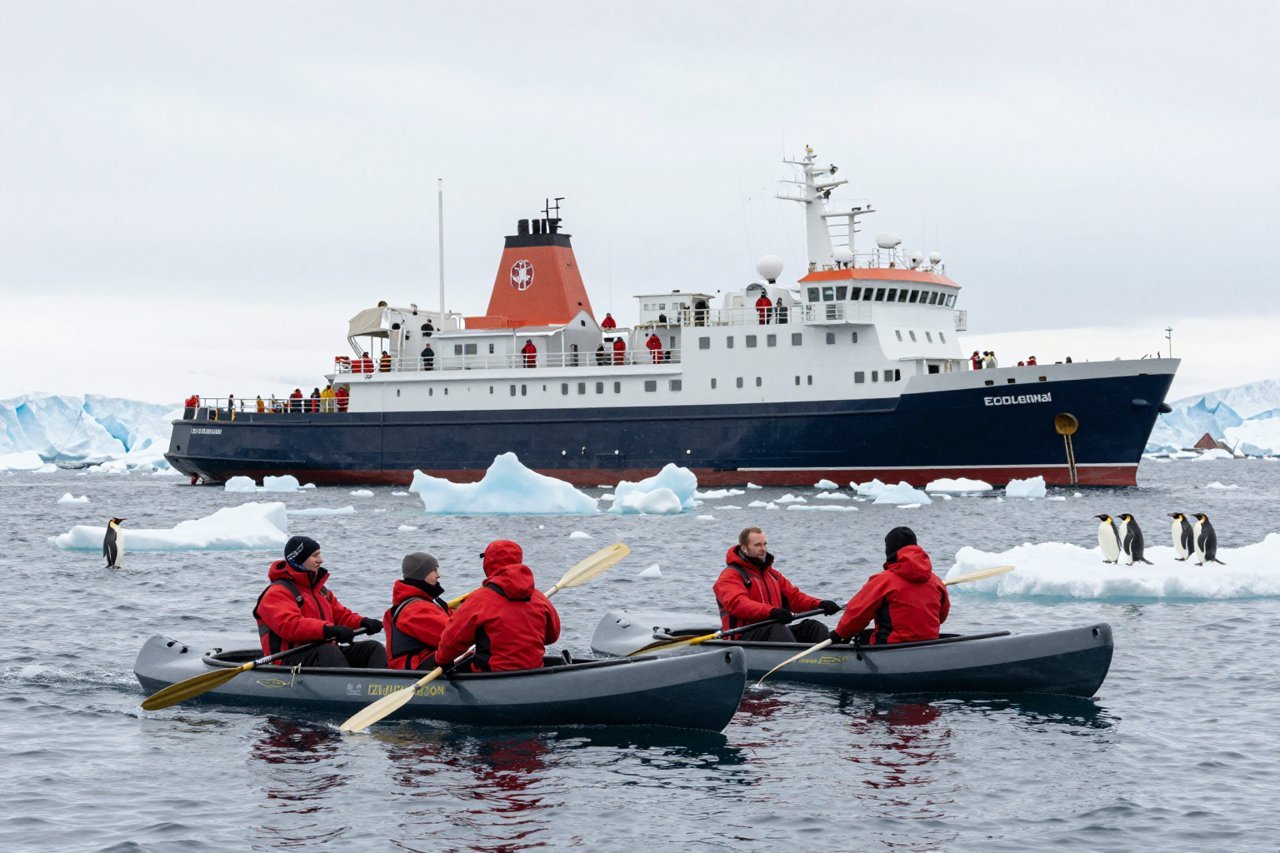
Unlike mega-liners that carry 5,000 passengers, National Geographic expedition ships hold anywhere from 48 to 148 guests. That size matters. It means the ship can slip into channels that larger boats can’t touch, and you’ll eventually know almost every other passenger by name. There’s the newly built National Geographic Resolution and Endurance, with ice-strengthened hulls that crack through frozen channels. Older favourites like the National Geographic Explorer and Endeavour have been upgraded with hybrid engines, underwater cameras, and video microscopes.

In terms of comfort, cabins are compact and shipshape—think yacht, not Swiss hotel. But you’re rarely inside. Most days you’ll be out on the observation deck or loading into a Zodiac in your red expedition parka.
The Expedition Team: Your Real Luxury
The most valuable asset on board isn’t the infinity sauna. It’s the human team on the bridge. Naturalists, marine biologists, National Geographic photographers, and historians deliver lectures, lead hikes, and pilot the Zodiacs. They’ll teach you how to read a glacier’s colour, why a chinstrap penguin waddles a certain way, and which end of a sea kayak to paddle first.
Passengers are encouraged to participate in citizen science projects, logging whale sightings, and helping with plankton samples. You might end up sending data to a university marine lab while your cocktail’s still cold.
The Itineraries That Put You in the Shot
National Geographic cruises cover just about every corner of the globe, but they’re famous for four regions.
Antarctica
This is the big one. Whiteouts, leopard seals, ten thousand penguins tapping their bills at the Zodiacs. For all the hype, the experience still somehow exceeds expectations. If you want a first-hand account, read what a National Geographic Antarctica cruise is really like before you book.
Galápagos
Where else can you swim with sea lions, walk past marine iguanas sunning on black lava, and watch blue-footed boobies perform their ridiculous mating dance? National Geographic pioneered passenger travel here, and their permits let you land at the best visitor sites after the big ships have left.
Greenland and the Arctic
Icebergs the size of cathedrals, massive fjord systems, and communities that still rely on dog sleds. Kangerlussuaq, Ilulissat, and Nuuk appear on many routes. Stop at Nuuk, the world’s coolest capital, and you’ll see why it deserves a few extra days. Here’s our guide to the best things to do in Nuuk, Greenland, to help you plan the pre-cruise time.
Alaska and British Columbia
The Inside Passage gets the expedition treatment with a twist: totem poles, humpback bubble-net feeding, and the occasional brown bear wandering the shoreline. It’s the most accessible itinerary for North Americans, but it never feels like a road trip.
A Day on Board: From Zodiac to Sauna
A typical day on a National Geographic cruise follows a rhythm you’ll fall into quickly:
- 7:00 a.m. – Dawn yoga on the sun deck, with a view of whatever glacier is sliding past.
- 8:30 a.m. – Breakfast, then an hour-long Zodiac excursion where a naturalist points out a rare seabird.
- 10:00 a.m. – Landing ashore: hike a ridge, walk a black-sand beach, or board a glass-bottom boat.
- 1:00 p.m. – Lunch, then some downtime in the library or with a pair of binocs from the observation lounge.
- 4:00 p.m. – A photography workshop with a National Geographic photographer, followed by an open deck session.
- 6:00 p.m. – Recap in the lounge: what you saw, what it means, and a preview of tomorrow.
- 8:00 p.m. – Dinner, usually with a rotating mix of passengers and expedition staff.
- 10:00 p.m. – Late-night Zodiac cruise if the conditions are right, or a dark-sky session on the bow.
Yes, it’s that full. The best part? Every meal is cooked from scratch by a kitchen team that seems fine shipping a full bakery to a polar wilderness.
What Does It Cost to Sail With National Geographic?
This is the question everyone Googles. The answer: expect to pay more than a mainstream cruise, but less than a private yacht charter. A week in the Galápagos starts around $6,000 to $7,000 per person, while a 10-day Antarctic voyage can run between $12,000 and $20,000, depending on the cabin category and departure date. Sounds steep, but the fare is nearly all-inclusive: airfare from the gateway city, all excursions, Zodiac rides, kayak rentals, wetsuits, a parka to keep you alive, plus beer, wine, and spirits. Gratuities for the crew, too.
What’s not included: boutique purchases, some premium drinks, and pre- or post-cruise hotels unless you book a package. Book early for the best itineraries and cabins; last-minute spots fill within days of release.
Why It’s Worth It (and Why It Might Not Be)
For travellers who crave to understand a place rather than just check it off, there aren’t many trips this dense with insight. You go home with a flash drive of photos, but more importantly, a mental library of ecological facts and the feeling we forgot—that full-body curiosity that adults usually suppress. That sensation alone is worth the fare.
However, if your ideal vacation involves long lie-ins, poolside daiquiris, and being waited on hand and foot, this isn’t that. Days are spent active, sometimes cold, and in conditions that are weather-dependent. You might miss a landing due to wind or sea ice. Flexibility is required. If you’re more of a land traveller who prefers to carry your own tent, there are plenty of remote backpacking destinations that offer a similar dose of wildness without the ship.
How to Choose the Right National Geographic Cruise
First, decide what animal you most want to see. That will pick the destination. Penguins? Antarctica or the Galápagos. Polar bears? Spitsbergen, Greenland, or northern Canada. Bears and whales? Alaska. Then decide the type of expedition you want: a classic ship like the Endeavour, or a more modern polar-class vessel like the Resolution.
Think about your physical comfort. Cabins on older ships have no balconies; the onboard experience is more communal. If that’s an issue, book a balcony cabin on the newer ships—but you’ll pay a premium. Also, consider the season: October is a lovely time to explore the Pacific Northwest or New England, and some North American autumn departures use the same expedition structure. For land-based October ideas, have a look at these 22 best places to visit in October USA, which might pair with a coastal departure.
Finally, read the fine print on inclusions. Some rates include gratuities, some don’t. Ask about international flights. A good travel advisor who knows expedition cruising will save you headaches and often match or beat the direct price.


