
Table of Contents
Why two similar houses pay wildly different homeowners insurance rates
A $350,000 colonial in Columbus, Ohio, might cost $1,450 a year to insure. A house with the same square footage outside Miami can run $6,000 or more. Same family, same furniture, vastly different homeowners insurance rates. That gap is not random. Insurers price the risk attached to the address, the roof over it, and the cost to rebuild after a loss.
Your premium is a bundle of predictions: the chance of a fire, hail storm, burst pipe, or lawsuit, multiplied by what repairs would cost. Change any input and the quote moves. That is why a renewal can jump 22% even if you never filed a claim.
The big inputs behind your premium
Location and catastrophe exposure
Insurers use catastrophe models that blend storm history, wildfire risk, flood maps, and construction density. Coastal wind zones and hail-prone corridors carry higher rates. Inland, crime rates, fire station distance, and local building costs matter. A ZIP code with a volunteer fire department and long response times can price higher than a city address a few miles away.
Roof age, material, and condition
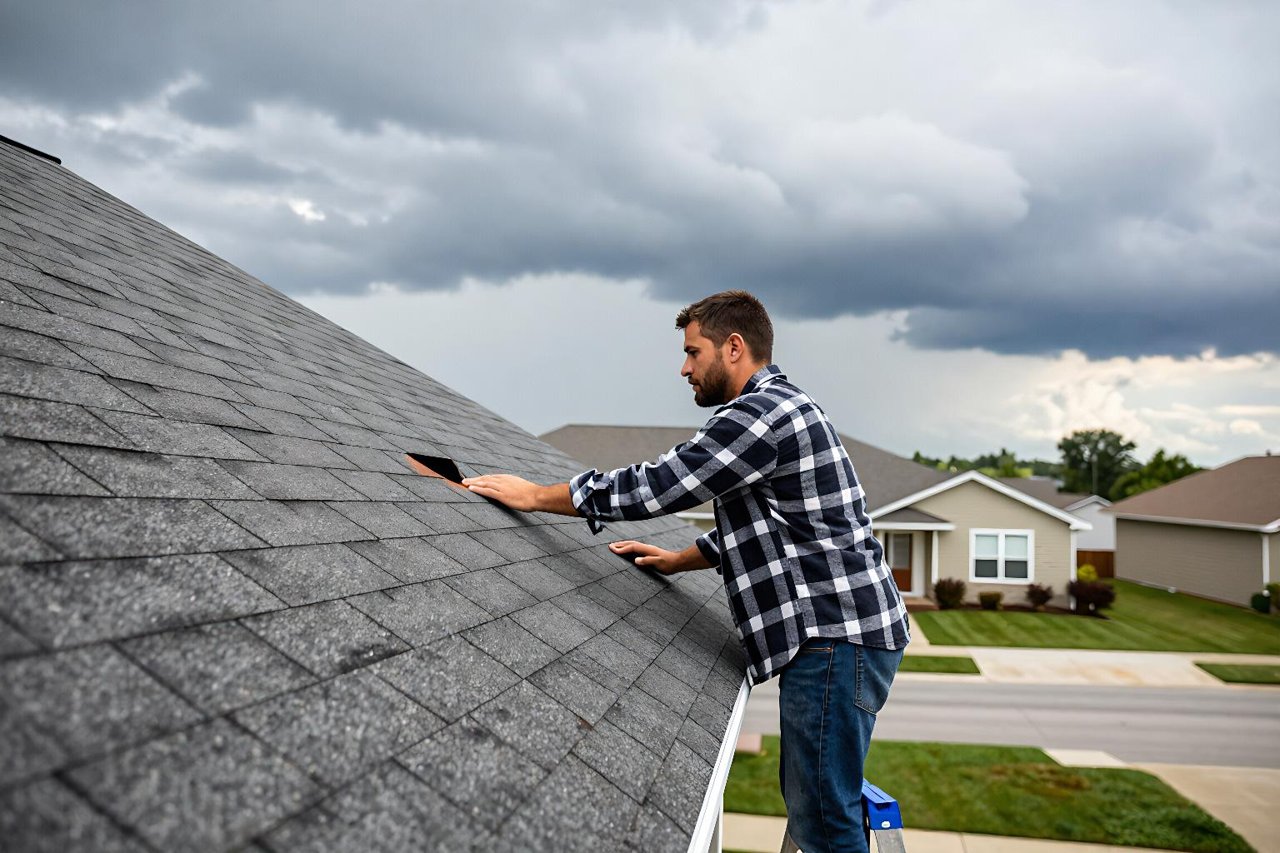
The roof is usually the first thing an underwriter checks. A 20-year-old asphalt shingle roof may be surfacing near the end of its insurable life. Many carriers now require a roof inspection or use aerial imagery before binding a policy. New impact-resistant shingles can earn a discount in hail states. A roof that is older but well-maintained may still get a quote, though often with a higher deductible or actual cash value settlement.

Rebuild cost, not market value
Dwelling coverage is based on what it would cost to rebuild with current labor and materials, not the price your neighbor paid at closing. Lumber, concrete, HVAC equipment, and contractor margins all feed into replacement cost estimates. If your policy carries $300,000 in dwelling coverage but the estimator says $390,000, you are underinsured and may face a coinsurance penalty at claim time. Ask for the replacement cost worksheet, not just the summary page.
- Claims history: both yours and the property’s. Insurers pull loss reports that can show water damage or dog-bite claims from previous owners.
- Credit-based insurance score: used in most states, though not all, and never a substitute for your actual credit score.
- Deductible: a $1,000 deductible prices differently from a $5,000 one, and percentage deductibles for wind or hail change the math fast.
- Coverage add-ons: water backup, scheduled jewelry, pool liability, and ordinance or law coverage each add premium.
- Home features: a pool, trampoline, wood stove, aggressive-breed dog, or rental unit can raise liability risk.
Why the same house gets three quotes and three different prices
Each insurer uses its own models, appetite, and discount structure. One company may be aggressively writing policies in your state; another may be shrinking its book after a bad storm year. That is why comparing three quotes is not enough if two of them come from the same parent company. An independent agent can place your home with several carriers, while a captive agent sells one brand. Neither is automatically cheaper. The useful move is to compare the coverage line by line, not just the bottom-line premium.
Branded quotes can hide important differences in water backup limits, matching siding coverage, and whether the roof is paid at replacement cost or actual cash value. A breakdown of Allstate home insurance shows how a familiar name can look competitive on the declaration page while the fine print changes what gets paid.
Deductibles are the fastest lever most homeowners ignore
Moving from a $1,000 deductible to $2,500 might cut your premium by 10% to 20%, depending on the carrier and state. On a $4,000 annual policy, that is $400 to $800 a year. Over five years, the savings can exceed the extra out-of-pocket cost if you never file a claim. The catch: you need that $2,500 available in an emergency, and a small water claim may no longer be worth filing.
Percentage deductibles work differently. A 2% wind deductible on a $400,000 dwelling means $8,000 out of pocket before the policy pays for wind damage. A 1% deductible cuts that to $4,000 but usually raises the premium. In coastal states, the difference between a 2% and 5% hurricane deductible can be thousands of dollars a year. Read that line twice.
Claims history follows the house, not just the homeowner
Insurance loss databases keep records tied to the property. A previous owner’s $18,000 water damage claim can make your new home harder to insure, even if you have never filed a claim. Before buying, ask the seller for a loss history report or ask your agent to run one. The same database can explain why your renewal jumped after a hail storm that damaged the neighborhood but missed your roof.
Small claims are rarely free. A $1,200 kitchen leak may be below your deductible after the emergency plumber bill, and filing it can still affect your rate for years. Paying out of pocket for minor damage often protects your insurability. Save the policy for losses you cannot absorb.
What is happening to homeowners insurance rates right now
Reinsurance costs, construction inflation, and concentrated catastrophe losses have pushed premiums up in most states. Florida and California have seen some of the sharpest increases, with several carriers limiting new business or withdrawing from high-risk areas. Texas and Colorado face expensive hail and wind claims. Even inland states are not immune: a single convective storm system can produce billion-dollar hail losses across several counties.
Insurers are also repricing older homes. A house that was cheap to insure in 2019 may now carry a roof surcharge, a higher wind deductible, or a requirement to update electrical wiring. The renewal notice is not a bill to ignore. It is a pricing memo with clues about what the carrier now thinks of your property.
Practical ways to lower homeowners insurance rates
Start with the levers that do not reduce your protection. Then decide where you can safely take on more risk.
- Shop every two years. Loyalty is not a rating factor. Carriers change their appetite, and a policy that was competitive at purchase may be mediocre by the third renewal.
- Raise your deductible deliberately. Choose an amount you can cover tomorrow, not the highest number the quote screen allows.
- Ask for wind mitigation and impact-resistant roof credits. In coastal and hail states, a roof certification or permit record can unlock discounts.
- Bundle only when the math works. Home and auto bundles often save 5% to 15%, but the auto policy may be overpriced enough to erase the home discount. A close look at Allstate auto insurance shows how bundle savings can shrink once the underlying auto rate is compared.
- Review riders annually. A scheduled engagement ring or inherited watch may be worth keeping, but the rider should match the item’s current value. This guide to jewelry insurance costs explains when a separate policy beats a homeowners endorsement.
- Fix small hazards before they become underwriting problems. Repair the loose railing, remove the trampoline, and document the new water heater. Underwriters love evidence.
Read the renewal like a skeptic
Homeowners insurance rates are not a single number you lock in forever. They are a snapshot of how one insurer views your property at one moment. When the renewal arrives, compare the dwelling coverage, deductible, and endorsements against last year’s policy. A premium that rose 8% may actually be a better deal if the carrier raised your replacement cost estimate by 12%. A premium that stayed flat may hide a new actual cash value roof settlement or a lower water backup limit.
Ask your agent three questions: What is the replacement cost based on? What is my wind or hail deductible in dollars? Which claims would be paid at actual cash value instead of replacement cost? The answers tell you more than a glossy brochure. Then get one competing quote with the same coverage limits. You do not need twenty quotes. You need a clean comparison and a policy that will pay when the roof finally gives out.


