
Table of Contents
A migraine isn’t just a headache. It’s a neurological event that can put you out of commission for hours or even days. The throbbing pain, sensitivity to light and sound, and nausea are hard to describe to someone who’s never experienced it. But here’s the thing: you don’t have to just suffer through it. Migraine treatment has evolved a lot, and with the right combination of medication, lifestyle habits, and expert guidance, you can reduce the number of attacks and get relief faster when one starts.
Start With the Basics: Know Your Migraine Type
Before you can choose the right migraine treatment, it helps to know what kind of migraines you’re dealing with. The most common are migraine without aura, migraine with aura (where you might see flashing lights or experience numbness before the pain), and chronic migraine (defined as 15 or more headache days per month). There’s also vestibular migraine, which causes dizziness, and hemiplegic migraine, which can cause temporary weakness.
Why does this matter? Some treatments are specifically approved for chronic migraine, for example, while others are more effective for migraines with aura. Keep a simple headache diary for a few weeks — note the day, time, pain level, any warning signs, and what you ate or drank before it started. That log is gold for your doctor.
Acute Migraine Treatments That Stop an Attack
When a migraine announces itself, the goal is to stop it before it fully takes hold. The sooner you act, the better. For mild attacks, over-the-counter NSAIDs like ibuprofen or naproxen may be enough. But if those don’t touch the pain, you’re likely to need a prescription medication.

Triptans and Gepants
Triptans like sumatriptan and rizatriptan are the old workhorses of acute migraine treatment. They work by calming overactive pain pathways in the brain, but they can cause a tightening feeling in the chest and aren’t safe for everyone with heart disease.
That’s led to a newer class of drugs called gepants — ubrogepant and rimegepant are two examples. They target a protein called CGRP, and they don’t constrict blood vessels, so they’re a useful option if you have cardiovascular risk factors.
If you want a full comparison of these and other options, this guide to the best migraine medication and remedies for headache relief breaks them down nicely.
Over-the-Counter and Other Aids
Some people do well with combination pills like Excedrin, which mixes acetaminophen, aspirin, and caffeine. Caffeine can actually boost pain relief, though too much can trigger rebound headaches. Anti-nausea medications can also be part of your plan, and if you’re vomiting, you might need dissolvable or nasal spray versions of triptans.
Remember: don’t use acute meds more than two or three days a week. Overuse can lead to medication-overuse headaches, which are a whole other beast.
Here’s a quick list of tactics that can help an acute attack:
- Take your medication at the first sign of pain, not after it peaks.
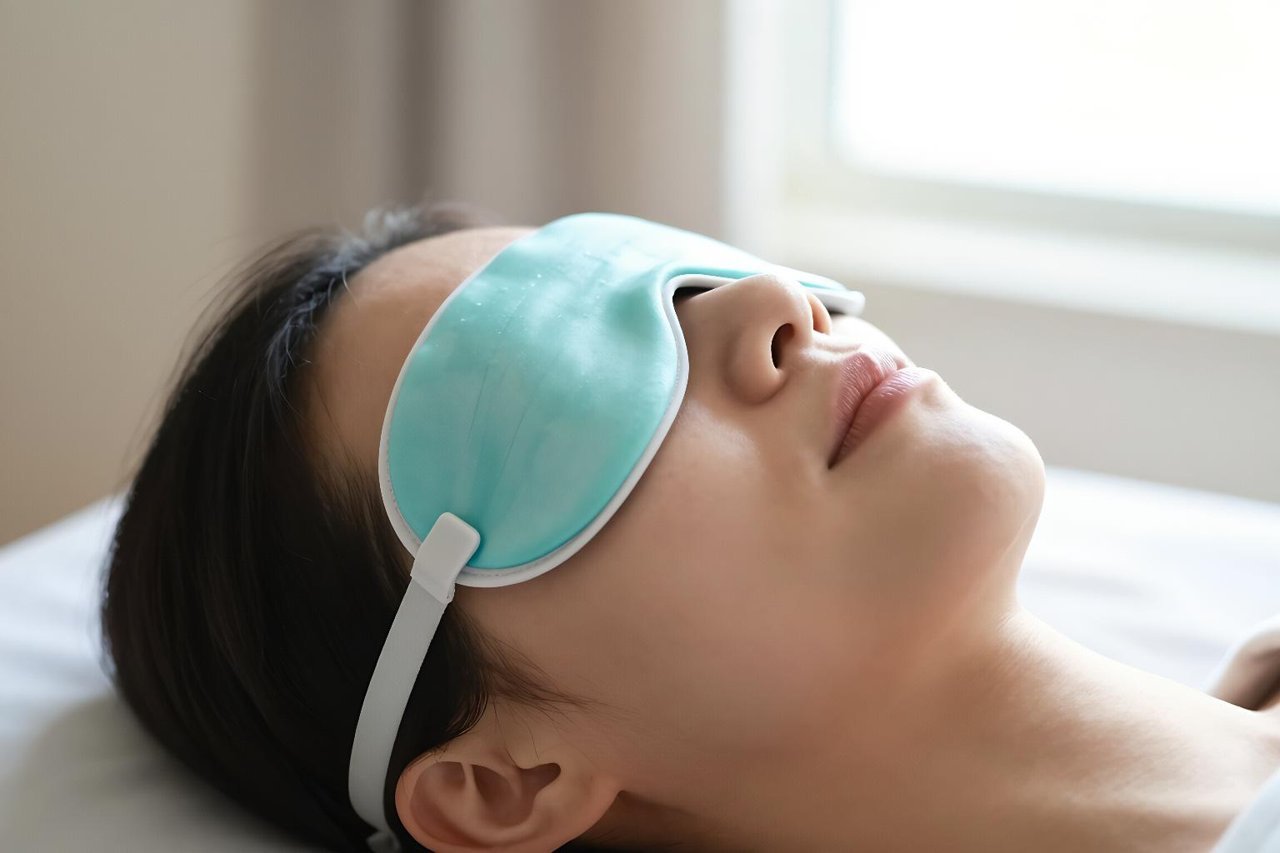
- Lie down in a dark, quiet room with a cool cloth over your eyes.
- Use a cold pack on your forehead or the back of your neck.
- Try a small amount of caffeine if you don’t usually drink it.
- Gently massage your temples and neck.
Preventive Migraine Treatments That Reduce Frequency
If you’re getting four or more migraine days a month, or your attacks are especially long or disabling, your doctor may suggest preventive treatment. These are medications you take daily (or monthly) to decrease how often migraines happen.
Traditional Preventive Medications
For decades, doctors prescribed beta-blockers like propranolol, tricyclic antidepressants like amitriptyline, and anticonvulsants like topiramate. They’re still good options, and they often work well — but side effects like drowsiness, weight changes, or low blood pressure can be hard to tolerate. That’s why it can take some trial and error to find the right one.
CGRP Inhibitors and Neuromodulation
The real game-changer in migraine treatment has been the rise of CGRP inhibitors. These are either antibodies given by injection every month (like erenumab, galcanezumab, or fremanezumab) or small molecule pill versions (like rimegepant or atogepant) taken as preventives. Many people who didn’t get any relief from older drugs see a significant drop in attack frequency.
There are also non-invasive devices that use brain stimulation to interrupt migraine signals. The Cefaly headband, gammaCore hand-held vagus nerve stimulator, and Nerivio armband are FDA-cleared and can be used at home. If you’re curious about how these compare with drug treatment, read about a new migraine treatment that actually works to see the evidence.
For chronic migraine, specifically, Botox injections given every 12 weeks can reduce headache days. The effect builds over time, so you won’t know if it works after one round.
Lifestyle Changes That Make Migraine Treatment More Effective
Medication can only do so much. The right daily habits can lower your overall migraine threshold, making it easier for your meds to work.
Here are some home remedies and habits with solid evidence behind them:
- Stick to a consistent sleep schedule, even on weekends. Skip too much or too little sleep — both can trigger migraines.
- Drink water throughout the day. Even mild dehydration can set off an attack.
- Learn your food triggers. Aged cheese, cured meats, artificial sweeteners, and red wine are the usual suspects, but triggers are highly individual.
- Get regular aerobic exercise like brisk walking or cycling. Start slowly and build up to avoid sudden exercise-triggered headaches.
- Practice daily stress reduction. This can be as simple as a five-minute breathing break or a short walk outside.
- Talk to your doctor about supplements like magnesium (especially magnesium citrate or glycinate), riboflavin (B2), and CoQ10. About 400 mg of magnesium is a common preventive dose.
The trick is not to overhaul your life in one week. Pick one or two changes, track them in your headache diary, and see if you notice a difference.
Building Your Migraine Action Plan
Good migraine treatment doesn’t happen in a single doctor visit. It’s a process of testing, tweaking, and tracking. Here’s how to make it work for you:
- Keep a headache diary for at least 4 to 6 weeks, noting triggers, symptoms, and which medications you actually took.
- Bring that diary to your appointment and be honest about how many days you’ve had migraines and how strong the pain was.
- Ask specific questions: “Is this acute only, or should I try a preventive?” and “If I get side effects, what’s the next option?”
- Give each treatment 2 to 3 months before deciding it doesn’t work.
Also, let your doctor know if you have other conditions. Migraine often goes hand in hand with fibromyalgia, anxiety, depression, and sleep disorders. If you’re also dealing with widespread muscle pain and fatigue, this realistic guide to fibromyalgia treatment can help you coordinate care.
And if you have migraine with aura, there’s a slightly higher risk of stroke, so managing blood pressure and cholesterol really matters. This stroke prevention guide covers the key habits and medical checks that can lower risk.
The Future of Migraine Treatment: More Options, Less One-Size-Fits-All
We’re in a genuinely hopeful moment for migraine care. New medications are being approved regularly, telemedicine has made it easier to see headache specialists, and researchers are learning more about migraine genetics. The era of “it’s all in your head” is over — doctors now understand that migraine is a real neurological condition with biological causes.
If you’ve tried one or two treatments without success, don’t give up. The options keep growing, and the chances that you’ll find the right migraine treatment for your brain are higher than they’ve ever been.


