
Table of Contents
A transatlantic cruise is one of those rare journeys that forces you to slow down. For nearly a week, there is no land in sight, no itinerary to rush through, and nothing but open water on every horizon. It’s not just a way to get from North America to Europe—or back again—it’s a proper sea voyage, the kind that has been romanticised since the great ocean liners of the early twentieth century.
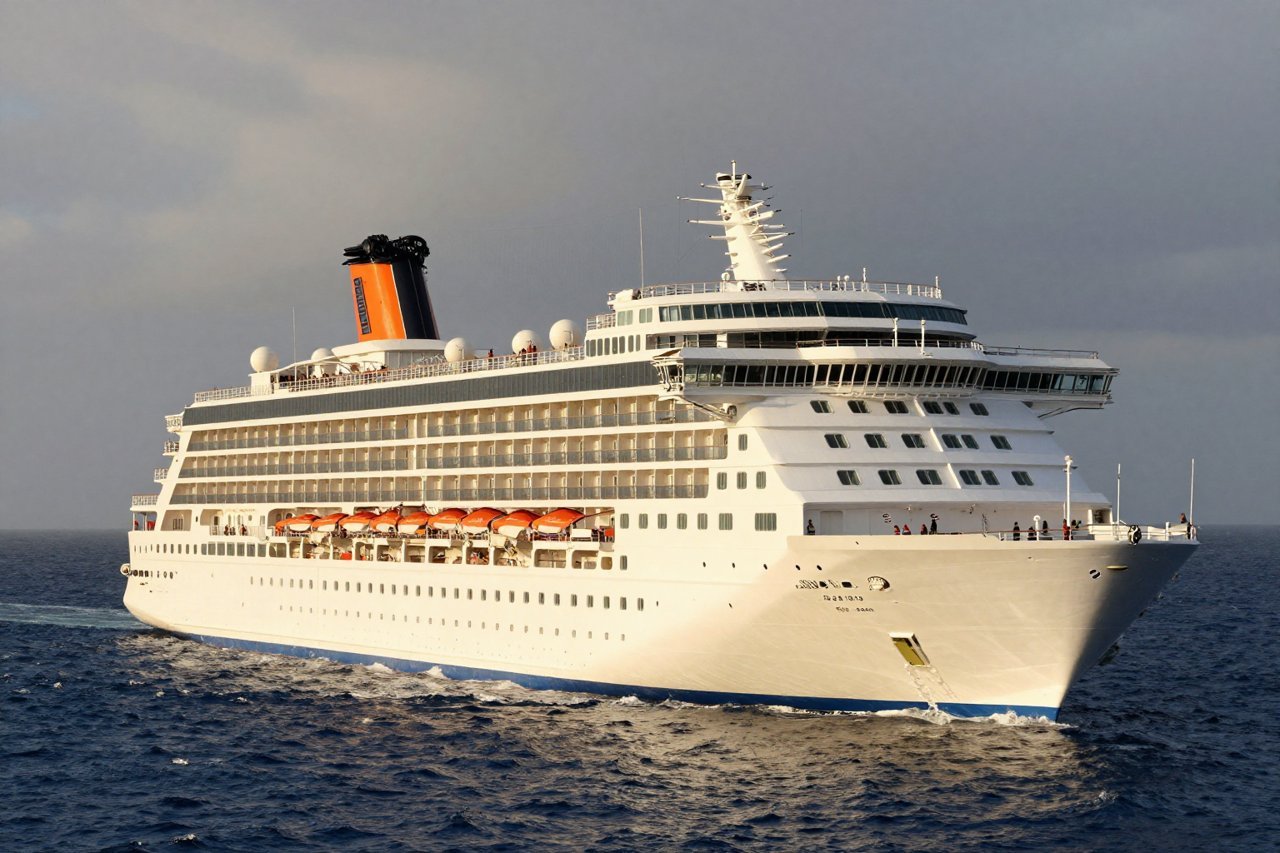
These crossings have changed a lot since the days of the Titanic, of course. Modern ships are floating resorts with pools, theatres, and endless dining options. But the fundamental appeal remains the same: the chance to cross the Atlantic in comfort, with time to read, rest, and watch the ocean roll by.
If you’ve been curious about a transatlantic crossing, here’s what you need to know to plan the trip properly.
Why Cross the Atlantic by Ship?
For some, the answer is simple: they love the sea. For others, a transatlantic cruise is a way to avoid a cramped airline seat and arrive at their destination feeling refreshed rather than frazzled. Look at a map and you’ll see that a crossing from New York to Southampton covers over 3,000 nautical miles. That’s a lot of ocean–and a lot of time to enjoy the journey itself.

There’s also something deeply satisfying about the rhythm of sea days. You wake up without an alarm, have a slow breakfast, watch the waves from the deck, and maybe join a lecture or two. It’s the opposite of a packed port-intensive itinerary. You get to know the ship, the crew, and your fellow passengers in a way you never could on a Mediterranean fly-cruise.
And then there’s the arrival. Watching the coast of Ireland or the cliffs of Newfoundland emerge from the fog makes you feel like an explorer, even if you’re just on holiday.
The Best Time for a Transatlantic Cruise
Transatlantic cruises aren’t available all year round. They mostly run in two distinct periods: spring and autumn. This is because ships reposition between winter destinations like the Caribbean and summer destinations like Europe or the Mediterranean.
Repositioning Cruises Explained
In April and May, cruise lines such as Cunard, Holland America, and Royal Caribbean sail from Florida or New York to Southampton, Barcelona, or other European ports. These are sometimes called “repositioning cruises” because the ship is moving from one home port to another. In October and November, the same ships head back west.
If you’re flexible with your dates, a spring westbound (Europe to North America) or autumn eastbound (North America to Europe) can offer excellent value. Fares on these one-way crossings are often lower than a round-trip Caribbean cruise, and you only pay for one direction of your journey—you’ll need a flight either before or after the voyage.
Autumn crossings tend to be quieter and calmer, but the weather can be more unsettled. Spring brings longer days and milder seas. Either way, the mid-Atlantic can be unpredictable, so treat forecasts with a grain of salt.
Eastbound vs Westbound: Which Direction is Right for You?
Your choice of direction affects more than just your ports of call. It also changes the feel of the voyage.
An eastbound crossing from the US to Europe means you gain time zones as you travel. Each night you set your clock forward, which means earlier sunrises and shorter days. Some people find this easier to adjust to, while others struggle with losing an hour each night. Interestingly, the prevailing winds and currents actually push eastbound ships faster than westbound ones, so the crossing can be slightly quicker.
A westbound crossing, from Europe to North America, gives you back an hour almost every night. You’ll get longer evenings, which is wonderful if you like to stay up late. The trade-off is a more sluggish cruise, especially against the Gulf Stream. You also have to deal with the jet lag when you finally arrive in the US—though you’ll have had time to adjust gradually.
Ports also differ. Eastbound crossings often stop in the Azores, a Portuguese archipelago that feels lost in time. Westbound itineraries might call at Bermuda or Halifax before dropping down to New York or Miami. Look at the specific routes and choose based on which destinations intrigue you more.
What to Expect on Board: A Sea Day State of Mind
Whether you’re crossing in five or seven nights, the majority of your time will be spent at sea. That might sound daunting, but cruise ships are designed for exactly this kind of voyage. You’ll find a full program of activities, from morning yoga to evening shows, and the days blur into a pleasant routine.
Here are some of the highlights you can expect during a transatlantic crossing:
- Guest speakers and enrichment lectures – many ships bring on historians, oceanographers, or even astronauts to give talks on sea days.
- Formal nights – traditional transatlantic crossings often feature several galas, so pack something smart.
- Celestial observation – far from city lights, the night sky is spectacular. Some ships even have on-board astronomers.
- Specialty dining – with so many nights to fill, you can try every restaurant on the ship without rushing.
- Onboard activities – from trivia and wine tastings to dance classes and book clubs.
Don’t worry about getting bored. The challenge is more often fitting everything in.
Packing Smart for a Transatlantic Crossing
Packing for a transatlantic cruise is a bit different from a typical warm-weather getaway. The weather in the open ocean can change quickly, even in spring and autumn. You’ll want layers: a light jacket, a warm sweater, and something to protect you from wind and spray.
Because you’ll have several formal or semi-formal evenings, pack a dinner jacket or a cocktail dress, depending on your line’s dress code. Smart casual will cover most other nights.
Don’t forget seasickness medication. Even on huge modern ships, the Atlantic can have a roll. Bring wristbands, ginger supplements, or a prescription patch if you’re prone to motion sickness. And because you’re crossing an international date line, your cabin will have European-style sockets. A universal adapter is essential.
Should You Splurge on Luxury?
Transatlantic crossings are the original luxury voyage, and they remain a favourite among high-end cruise lines. If you want extra space, butler service, and gourmet dining, a premium line is worth the cost. You can find several examples in this guide to the world’s finest luxury cruise lines.
Luxury transatlantic cruises often include more included shore excursions and beverages, which can offset the higher fare if you plan to drink and explore at every port. For an in-depth look at what to expect, check out this ultimate guide to luxury cruises.
But a mainstream line can also deliver a fantastic crossing. Cunard’s Queen Mary 2 was purpose-built for overnight crossings and is the only ship that maintains a regular scheduled service between New York and Southampton. That’s a unique ship in a class of its own.
Planning Your Shore Time Before and After the Voyage
A transatlantic cruise is often just one part of a larger trip. The departure and arrival cities deserve your attention before you board and after you disembark. Instead of racing straight to the port, consider spending a couple of nights in New York, or a weekend in London or Barcelona.
Booking flights around your cruise requires a bit of care. You’ll need to fly to the embarkation port and home from the arrival port, which means two one-way tickets. That’s where a good deal on a one-way flight can save you money. Be sure to review the common airline booking traps that cost you more before you search, so you don’t fall for sneaky upsells or baggage fees.
Because these cruises land in different countries, you’ll also need to check passport and visa requirements. For example, a US citizen entering the UK is fine without a visa, but if you’re disembarking in a Schengen zone port, you’ll need to make sure your paperwork is in order. And always arrive at the port a day early; missing the ship is an expensive mistake.
Embrace the rhythm of the crossing. Wake with the ship, watch the sun rise over an endless ocean, and let the schedule disappear. A transatlantic cruise is a rare opportunity to feel properly disconnected—and that is something worth crossing an ocean for.


