
Table of Contents
Your cuticles do a lot more than frame your nail beds. They are the first line of defense against bacteria and moisture loss. When they dry out, everything from your manicure to your nail growth pays the price. That is where cuticle oil comes in. It is a small step with a serious payoff, yet so many people skip it. Whether you are a nail art enthusiast or someone who just wants presentable hands, using a quality cuticle oil can be the cheapest nail-strengthening hack you will ever find.
What Is Cuticle Oil and Why Does It Matter?
Cuticle oil is a blend of oils and conditioning agents designed to hydrate the skin around your nails. That tiny strip of tissue, the cuticle, acts as a seal. It keeps moisture inside the nail matrix and blocks out irritants. When the cuticle dries, it cracks, peels, and develops hangnails. Those little tears not only look rough but also open the door to infection. Nail techs have been preaching about cuticle oil for decades, and there is a reason: healthy cuticles mean a stronger nail plate that grows longer without splitting.
Key Benefits of Regular Cuticle Oil Use
Using cuticle oil is not just about making your hands look polished for a photo. A few drops twice a day adds up, and your nail bed will thank you. Here are the biggest benefits you can expect:
- Prevents hangnails and painful tears. Dry cuticles are brittle. Oil keeps the tissue flexible, so it resists cracking.
- Supports faster nail growth. Moisturised cuticles encourage healthy blood flow around the nail matrix, which helps nails grow stronger.
- Extends the life of your manicure. Hydrated cuticles and nail beds prevent your polish from lifting at the edges.
- Softens overgrown cuticles. Regular oiling makes pushing back cuticles easier and less painful.
- Protects against infection. Smooth, unbroken skin around the nail means fewer entry points for bacteria.
How to Apply Cuticle Oil So It Actually Works
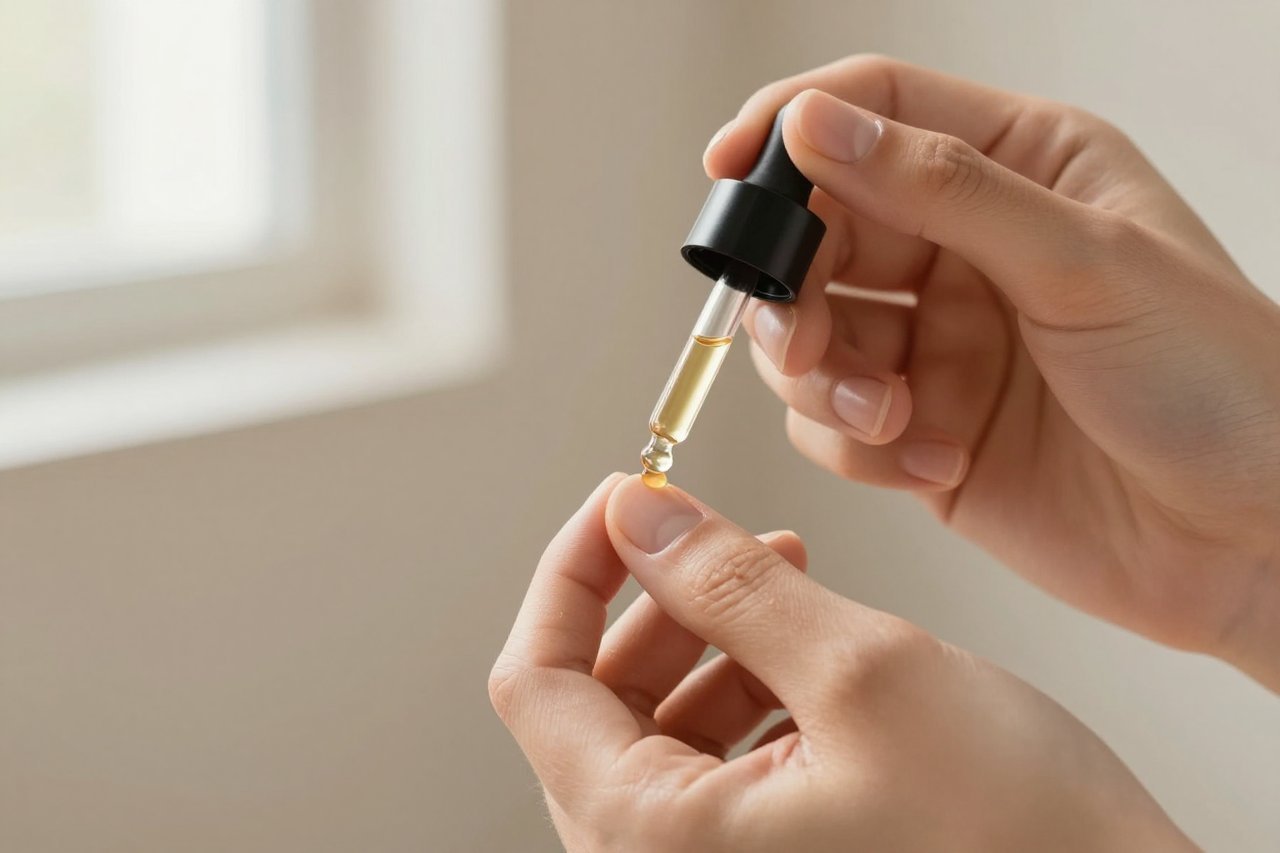
A lot of people make cuticle oil more complicated than it needs to be. The whole routine takes about ten seconds. Start with clean, dry or slightly damp hands. Warm a drop of oil between your fingertips, then massage it into each nail bed. Take your time on the sides of the nail, where hangnails love to form. Let the oil sit for a minute before touching anything. You do not need to rinse it off. Just rub any excess into your hands, and you are done.

Make It a Nightly Ritual
The easiest way to stay consistent is to keep a bottle on your nightstand. Apply a thicker layer right before bed, then pop on a pair of cotton gloves or socks over your hands. This is a classic spa trick that boosts absorption. You will wake up with noticeably softer cuticles and smoother hand skin.
Carry a Stick in Your Bag
For lunchtime touch-ups, a pen-style or stick-form cuticle oil is your friend. Roll it on, massage for two seconds, and you are back to typing. The portability means you have no excuse to skip it after hand-washing.
How Often Should You Use Cuticle Oil?
Daily use is non-negotiable if you want results. But you can go further. If you work with your hands, wash them often, or live in a dry climate, apply it two or three times a day. Even once a day makes a visible difference within a week. The key is consistency, not quantity. A single drop per nail is plenty. Slathering on more does not speed things up. It just makes your fingers slippery.
Choosing a Cuticle Oil: Ingredients to Look For
Not all cuticle oils are created equal. Some are mostly mineral oil, which sits on the surface and does not really penetrate. You want oils that mimic your skin’s own moisture. Jojoba oil is the gold standard because its molecular structure is remarkably close to sebum. Vitamin E, rosehip, and sweet almond oil are also excellent choices. If your skin is sensitive, avoid added fragrance and drying alcohols. A clean, short ingredient list is usually a good sign.
If you want something that feels a little luxurious, the Gloss Miracle Oil from 98 Beauty is a cult favorite. It is a lightweight blend that absorbs quickly and leaves no oily film. I broke down the full experience in my 98 Beauty The Gloss Miracle Oil review. I am also a big fan of the Navy Hand & Cuticle Serum, which comes in a generous glass bottle and works well as a hand treatment too. If you need a budget option, plain coconut oil is a decent backup. It still provides a good amount of fatty acids, and you can read about its many uses in this post on coconut oil for stretch marks and 13 other beauty tricks.
Cuticle Oil vs. Hand Cream: Do You Need Both?
Hand cream and cuticle oil serve different jobs, and you honestly need both. Hand cream is a moisturizer for the entire hand. It keeps the skin soft and prevents cracking in the winter. But the cuticle is a specialized barrier, and it thrives when you give it a concentrated oil. Oil locks in moisture better than cream, and it repairs the lipid barrier faster. The best routine is to apply hand cream first, then follow up with a dab of cuticle oil on each nail. That seals the water in and keeps the cuticle flexible all day.
When Your Nails Need Extra Cuticle Oil
Some situations call for extra attention. After removing gel polish, your nail plate and the surrounding skin can feel brittle and dehydrated. This is the moment you really need to reach for your oil. A strict aftercare plan is the fastest way to restore your nails. My complete guide to gel nails, from application to safe removal, walks you through the process and why cuticle oil is a non-negotiable step. In the winter, low humidity and indoor heating also dry out your cuticles quickly. Keep a small cuticle oil pen in your bag and use it whenever your hands feel tight.
Make Your Own Cuticle Oil in Two Minutes
Instead of buying another bottle, you can blend your own with a few ingredients you probably already have. Combine two tablespoons of jojoba oil, one tablespoon of sweet almond oil, and a drop or two of vitamin E. Stir them in a small dropper bottle. Add a drop of lavender essential oil if you want a natural scent. That is it. This homemade blend costs pennies, and you know exactly what is in it. Coconut oil can also be a base, but a thin oil like jojoba penetrates faster. If you want to see how far coconut oil goes in beauty, check out these 101 reasons why coconut oil is miracle stuff. You will probably start a second DIY project.


