
Table of Contents
You spend about a third of your life in bed. That’s roughly 25 years if you live to 75. Yet most people give more thought to their mattress than to how they actually lie on it. The truth is, your sleeping position can reduce or amplify joint pain, determine whether you snore, and even change how often you wake up with heartburn. So what is the best sleeping position? The honest answer: it depends on your body and your health concerns. Let’s break down each position, what it’s good for, and how to make the one you choose actually work.
The Big Three: Back, Side, and Stomach
Back Sleeping (Supine) – The Spinal Alignment Champion
Sleeping on your back is often called the gold standard. With your spine in a neutral line from your neck to your hips, there’s no unnatural twisting or bending. The key is to have a pillow that supports the curve of your neck, not one that props your head too high or lets it fall too low. A flat pillow or even a cervical roll works well. Advantages include fewer wrinkles (your face isn’t pressed into a pillow) and less risk of shoulder and hip pressure. But back sleeping has a catch: it can make snoring and sleep apnea worse. When you lie supine, gravity pulls the soft palate and tongue toward the back of your throat, narrowing your airway. If you’re a snorer, this might push you toward a different position.
Side Sleeping (Lateral) – The Practical All-Rounder
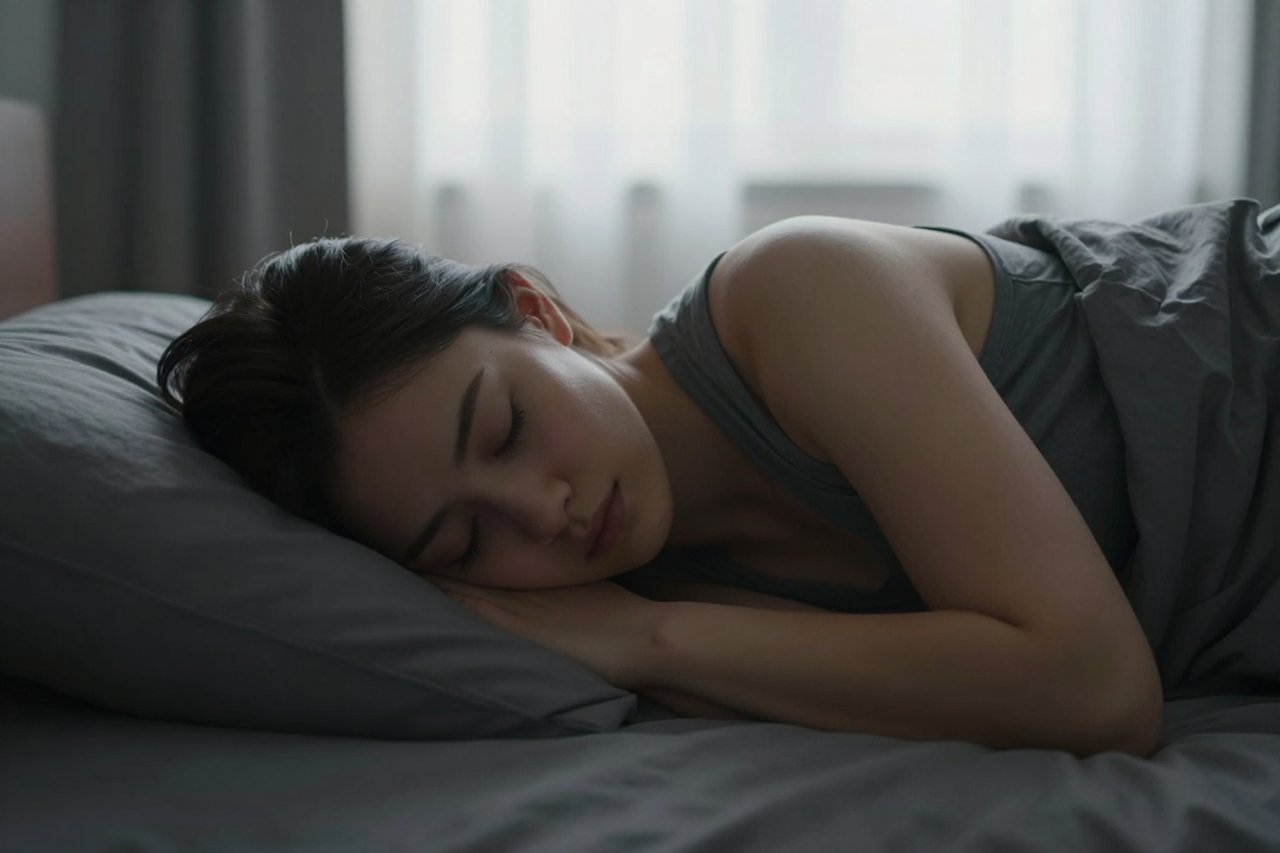
Most adults naturally spend the night on their side. That’s a good thing for your airway. Side sleeping reduces snoring and is the recommended position for people with obstructive sleep apnea. It’s also the safest position for pregnant women because it takes pressure off the inferior vena cava, improving blood flow to the uterus and fetus. The downsides? Your shoulder and hip take most of your body weight, which can cause discomfort if your mattress is too firm or you don’t have enough pillow support. The trick is to put a firm pillow between your knees to keep your pelvis and spine aligned. If you sleep with your top leg hiked up, the pillow prevents it from dropping and twisting your lower back.
Stomach Sleeping (Prone) – The Position That Strains Everything
Stomach sleeping is the one position that almost uniformly gets bad marks from physical therapists. To breathe, you have to turn your head to one side, and that rotation puts a significant torque on your cervical spine. Over years, it can contribute to neck pain, headaches, and even the development of a “curved back” as you age. If you’re a devoted stomach sleeper, try to wean yourself off it. But if you absolutely can’t, use a very thin pillow (or none) under your head, and place a flat pillow under your pelvis. That alone can take a lot of stress off your lumbar spine.

Choosing the Best Sleeping Position for Your Health
Back Pain, Neck Pain, and the Aging Spine
If you wake up with a stiff lower back, your sleep position is a prime suspect. Back sleepers should place a pillow under their knees. This slightly flexes the hip joint and flattens the lumbar spine, taking pressure off the discs. Side sleepers need that between-knee pillow. Stomach sleepers are the worst off; consider switching to your side. For neck pain, your pillow height is everything. Side sleepers need a pillow that fills the space between their ear and shoulder. Back sleepers need a thinner pillow that supports the cervical curve. If you’re worried about posture changes as you get older, it’s worth understanding how poor sleep alignment can accelerate those shifts. This article on why some people get a curved back as they age explains the role of body mechanics better than I can. The good news: most of it is avoidable with self-awareness during the day, but you have to carry that into the night, too.
Snoring and Sleep Apnea
Here’s a hard fact: sleeping on your back is the worst position for snoring. In one study, positional sleep therapy (training people to sleep on their side) reduced the apnea-hypopnea index by almost 40% in people with mild to moderate sleep apnea. The best sleeping position for this group is the left side, although the reason isn’t fully clear. Some researchers believe left lateral positioning reduces the collapsibility of the upper airway more than the right side. If you’re not ready to buy a special device, try a trick: sew a tennis ball into the back pocket of a t-shirt. It’s uncomfortable, but that’s the point. It makes you roll back to your side without fully waking you.
Acid Reflux and Heartburn
Decades of research show that sleeping on your left side significantly reduces acid exposure in the esophagus. The theory is anatomical: your stomach sits on the left side of your body. When you lie on your left, the stomach contents stay put, instead of sloshing against the lower esophageal sphincter. Right-side sleeping, by contrast, seems to make reflux worse. So if you’re dealing with nighttime heartburn, train yourself to sleep on your left. Elevating the head of your bed by six to eight inches helps too, and it’s more effective than just using a wedge pillow. If you’re carrying extra abdominal weight, that can also relax the sphincter and worsen reflux. That’s one of the many reasons weight loss often improves sleep quality. A sustainable approach to losing weight isn’t just about diet and exercise; sleep is a cornerstone, as this science-backed guide on long-term weight loss explains.
Pregnancy and Circulation
For pregnant women, the left side is the only position that takes the pressure off the descending aorta and vena cava. Pregnant women should avoid sleeping on their backs after the first trimester, as the weight of the uterus can compress these vital blood vessels and compromise circulation to the placenta. A full-body pregnancy pillow helps because it supports the belly and lower back at the same time.
Pillows, Mattresses, and the Support System You Can’t Ignore
No position is the best sleeping position if your mattress sags in the middle. A medium-firm mattress is the sweet spot for most people: it’s firm enough to keep your hips from sinking, but soft enough to allow your shoulders and hips, which are wider, to depress slightly. The ideal setup is a mattress that keeps your spine in a straight line when you’re on your side, with head, shoulders, hips, and ankles all in a row. You can test this by having someone take a photo of you lying down. For back sleepers, look for a slightly softer lumbar zone. For side sleepers, a pillow top can help relieve shoulder pressure, but if it’s too soft, your hips sink and your lower back twists.
Your pillow is the other half of the equation. Side sleepers need a firm, high pillow that fills the gap between neck and mattress. Back sleepers need a low, soft pillow. Stomach sleepers need almost nothing. A memory foam pillow that adapts to your shape is a good investment, but avoid those that are too thick if you’re a back sleeper.
How to Train Yourself to Sleep Better
Changing your sleeping position is like changing any habit. Your brain will resist at first. The trick is to make the new position comfortable and the old one uncomfortable. If you’re a back sleeper trying to move to your side, place a body pillow or a rolled-up blanket behind you. That way, when you try to roll over, you hit a soft barrier and your body rolls back. If you’re a side sleeper trying to become a back sleeper, put pillows on both sides of your hips and shoulders, creating a little nest. The first week will be awkward, and you may wake up in the other position. That’s normal. Expect at least two weeks of consistent resetting before it starts to stick.
A wedge pillow can be helpful for reflux and snoring because it keeps your upper body elevated without folding your neck. Just don’t stack regular pillows; that can put a sharp angle in the joint and strain your neck more than it helps.
A Quick Reference for the Best Sleeping Position by Condition
- Lower back pain: Side with a pillow between knees, or back with a pillow under knees.
- Neck pain: Back or side, with a pillow that supports the cervical curve.
- Snoring: Side, ideally left side.
- Sleep apnea: Left side.
- Acid reflux: Left side, head elevated.
- Pregnancy: Left side.
- Shoulder pain: Back, or side on the opposite side with a thick pillow to support your arm.
- Hip pain: Back with a pillow under your knees, or side with a wide pillow between legs to keep hips level.
- Stomach sleepers who can’t quit: Use a thin pillow under the head and a firm pillow under the pelvis.
The Untapped Connection Between Sleep Position and Recovery
Beyond the mechanical benefits, the way you sleep can affect your body’s recovery systems. In the deepest stages of sleep, your body repairs muscles, releases growth hormone, and consolidates memory. If you’re waking frequently because of pain or poor alignment, you spend less time in deep sleep, which can hinder everything from athletic recovery to emotional resilience. Some research also suggests that maintaining a neutral spine during sleep helps the discs rehydrate, which is why you often feel taller in the morning after a good night on your back.
If you’ve been struggling to get enough restorative rest, there are lifestyle interventions that work alongside your sleep position. One adaptogen that’s shown promise in clinical trials is ashwagandha. Studies have found that taking 300 mg twice a day can improve sleep quality and reduce the time it takes to fall asleep, likely by lowering cortisol and calming the nervous system. It’s not a substitute for a good sleep position, but it can help quiet your mind enough to actually benefit from the physical alignment. For more on how ashwagandha supports stress balance and physical recovery, this article walks through the evidence.
The next time you crawl into bed, spend twenty seconds checking your setup. Are you on your side with a pillow between your knees? Or on your back with a cervical pillow? Or are you still sleeping on your stomach, staring at the ceiling because your neck is wrenched to one side? Your body will tell you within a week whether you’ve found your best sleeping position. Listen to it.


