
Table of Contents
“Detox diet” might be one of the most overused phrases in wellness. If you search for it, you’ll find juice cleanses, tea detoxes, and strict elimination protocols that promise to flush your system in a week. Here’s the truth: your body already has a sophisticated detoxification system in place. A well-designed detox diet simply gives that system the right fuel and keeps the roadblocks out of the way.
But not all detox diets are created equal. Some are borderline starvation. Others are just clever marketing. So which approach actually works? And how can you support your body’s natural cleansing process without going to extremes? Let’s dig in.
What Exactly Is a Detox Diet?
A detox diet is a temporary way of eating designed to reduce the toxic load on your body and boost its natural elimination pathways. It usually involves:
- Cutting out alcohol, coffee, refined sugar, and processed foods.
- Adding more whole foods, vegetables, fruits, and water.
- Sometimes incorporating supplement drinks, teas, or herbal preparations.
The idea isn’t new. Fasting, dietary restrictions, and herbal remedies have appeared in cultures for centuries. Some modern detox programs have become more extreme, like eating only cayenne pepper lemonade for 10 days. But a sensible detox diet doesn’t have to involve starvation. It’s more about swapping the heavy stuff for foods that help your liver and kidneys work better.

The Body’s Built-In Detox System
To understand what a detox diet can and can’t do, you need to know how your body clears waste. Your liver is the main processing plant. It breaks down fat-soluble toxins into water-soluble ones that your kidneys can filter out. Your kidneys then release them through urine. Your gut pushes out fiber-bound waste. Your skin releases small amounts through sweat, and your lungs expire carbon dioxide.
These processes happen all the time. You don’t need a detox diet just to survive. However, when you eat foods high in sugar, refined carbs, and additives, it creates a lot more metabolic waste. That makes the liver and gut work harder. A detox diet can lighten the load and provide antioxidants, fiber, and nutrients that support these pathways.
Common Detox Diet Approaches (and How to Tone Them Down)
Juice Fasts
Juice fasts involve replacing solid meals with fresh vegetable and fruit juice for a few days. They can be high in vitamins and antioxidants, but all fiber gets thrown away. That’s a problem because fiber is what helps your gut bind and remove waste. Also, fruit juice can spike your blood sugar.
If you want to go the juice route, you can do a partial juice cleanse — have a green juice as one snack, not as your only source of calories. Better yet, make smoothies that keep the fiber.
Elimination Diets
Elimination diets remove common allergens like gluten, dairy, eggs, and soy for a period to see how your body responds. These can be really helpful for figuring out food sensitivities, and they often make you feel clearer. It’s not technically a detox diet, but many people call it one. You can call it a reset.
Whole-Food Cleanse
This is probably the most balanced approach. You eat a simple diet of vegetables, fruits, lean protein, healthy fats, and lots of water for a week or two. No packaged snacks, no alcohol, no processed sugar. It’s not extreme and doesn’t require starvation. It’s basically a healthy whole-food diet. If you’re going to do a detox diet, this is your best bet.
If all this sounds like too much structure, you might prefer a spring energy cleanse that has nothing to do with dieting — one focused on getting outside, moving your body, and taking a screen break. That can feel just as refreshing as a diet overhaul.
Foods That Support Detoxification
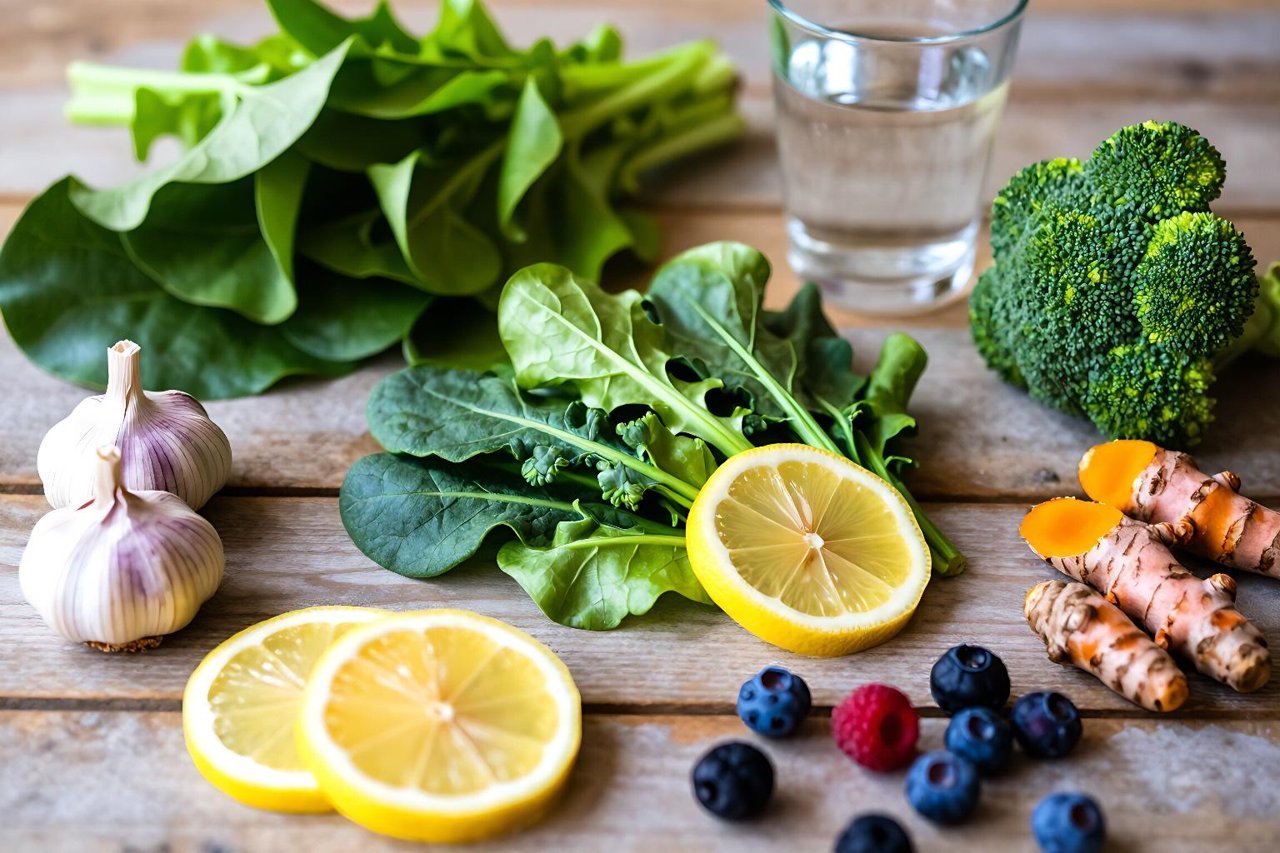
Which foods are the most useful on a detox diet? You want ingredients that provide specific nutrients involved in liver detox enzyme production, binding, and elimination. Here are some of the top detox-supporting foods:
- Cruciferous vegetables (broccoli, cauliflower, Brussels sprouts, cabbage): These contain glucosinolates that help activate liver phase 2 detoxification.
- Leafy greens (spinach, kale, arugula, dandelion greens): High in chlorophyll, which may help bind heavy metals and environmental toxins.
- Sulfur-rich foods (garlic, onions, leeks, eggs): Sulfur is a building block for glutathione, your body’s master antioxidant.
- Citrus fruits and berries (lemons, grapefruits, strawberries, blueberries): Rich in vitamin C, which your liver needs to make glutathione.
- Herbs and spices (cilantro, parsley, turmeric, ginger): Cilantro and parsley support heavy metal removal. Turmeric reduces inflammation and supports liver health.
- Probiotic foods (sauerkraut, kimchi, unsweetened yogurt, kefir): Healthy gut bacteria aid in detoxifying chemicals found in food and water.
When you include these, you’re giving your body the nutrients it needs, not starving it.
What to Cut Back On (and Why)
No detox diet can be effective if you fill your plate with foods that create more waste. During a short detox, aim to avoid:
- Alcohol, which is directly processed by the liver and can inhibit its other detox work.
- Refined sugar and high-fructose corn syrup: These strain the liver and increase fat storage.
- Ultra-processed foods: They contain preservatives, emulsifiers, coloring, and other additives your gut has to deal with.
- Fried food and excess saturated fat: These can stress the gallbladder and liver.
You don’t have to treat them like forbidden poison either. The issue is quantity. A detox period is a good time to hit pause on these.
The Gut-Liver Axis: Why Your Microbiome Matters
Your liver sends bile into your gut to help digest fat, and that bile carries toxins with it. If your gut is unhealthy and constipated, those toxins can get reabsorbed. This is why a good detox diet includes high-fiber foods and fermented foods. Your microbiome actively breaks down metabolic waste and helps bind heavy metals. There’s a deep connection between your digestive system and your brain, too. That’s why detoxing with probiotic-rich foods can also improve your mood and mental clarity.
Also, your intestinal lining works as a barrier. If it’s damaged, particles can leak into your bloodstream, triggering inflammation. Evidence suggests that a cysteine-rich diet promotes regeneration of your intestinal lining, which is one way to keep your gut barrier strong and your immune system calm.
How to Do a Safe, Gentle Detox Diet
If you decide to try a detox diet, there’s no need to go overboard. Here’s a simple framework that’s based on the top tips to detox your body from Dr. Dietrich Klinghardt.
Start with breakfast that includes protein and leafy greens. For lunch, have a large salad with olive oil, lemon juice, and plenty of mixed vegetables. For dinner, add a portion of lean fish, chicken, or beans, roasted vegetables, and a small amount of sweet potato. Snack on berries or nuts. Drink at least 2 liters of water. Herbal tea is fine.
Keep it up for three days to start. On day four, slowly reintroduce healthy grains like quinoa or brown rice, and maybe coffee if you’re not sensitive. Your goal isn’t to feel deprived. It’s to break the cycle of heavy eating, give your liver a lighter workload, and wake up your taste buds.
Also, don’t forget about lifestyle. Sweating through exercise or a sauna can support skin elimination. Getting enough sleep lets your brain clear metabolic waste through the glymphatic system. And stress reduction is huge — chronic stress changes your gut bacteria and slows digestion, making it harder to eliminate waste.
A detox diet is most powerful when it reminds you what whole foods taste like and how your body functions when you treat it well. Keep it simple, skip the aggressive fasting, and let your body’s natural systems do what they’re designed to do. That’s the real detox diet — the one that’s actually sustainable.


