
Table of Contents
[ad_1]
Your gut lining is one of the most active and self-renewing tissues in your body. Every few days, millions of cells are replaced to keep your intestinal barrier strong and your digestion efficient. But that renewal process depends on more than time — it requires specific nutrients that fuel regeneration. When those nutrients are missing, your gut becomes fragile, leaving you more prone to inflammation, poor absorption, and chronic discomfort.
Cysteine, a sulfur-containing amino acid found in everyday foods like eggs, meat, and dairy, has emerged as one of the key players in this renewal process. Unlike most nutrients that simply provide energy or structure, cysteine helps your body activate its own repair mechanisms.
It influences the way your intestinal cells communicate with your immune system, guiding the regeneration that keeps your gut lining intact. The discovery of cysteine’s role in intestinal healing is changing how scientists view diet and recovery. Rather than relying solely on medical interventions after damage occurs, the focus is shifting toward using targeted nutrition to drive regeneration from within.
This approach offers a way to support gut health, especially for those dealing with the side effects of toxins, medication, or chronic stress. Scientific findings reveal the precise mechanisms that make cysteine such a powerful nutrient for intestinal repair. This knowledge could reshape your approach to digestive health.
Cysteine Sparks Gut Repair Through Immune-Cell Communication
In a study published in Nature, researchers demonstrated that dietary cysteine enhances the body’s ability to repair damage in the small intestine.1 The study focused on how cysteine influences intestinal stem cells, the specialized cells that replace and regenerate the lining of your gut. In simple terms, these stem cells act as the gut’s construction crew, repairing tissue that’s been damaged by illness, toxins, or treatments like chemotherapy.
• Cysteine enhances “stemness,” or the ability of these cells to regrow new tissue — The research team discovered that when cysteine intake increased, intestinal stem cells became more active, leading to faster and more complete regeneration.
This finding is significant because the small intestine needs to constantly rebuild itself — roughly every five days — to maintain barrier integrity and nutrient absorption. Without this renewal, inflammation and infection set in quickly, compromising digestion and overall health.
• The study was conducted in mice but reveals key principles applicable to human health — Mice given a cysteine-enriched diet showed remarkable improvements in how their intestines recovered after injury.
The cysteine-fed group had thicker, healthier intestinal walls and faster tissue renewal compared to control groups that didn’t receive extra cysteine. This suggests that dietary amino acids directly influence gut recovery, not just through nutrient supply but by altering cellular signaling within the intestinal lining.
• Your gut has a built-in repair signal that tells cells when to rebuild — When this natural signal was activated, the gut’s repair cells started multiplying quickly and creating fresh, healthy tissue. The intestinal wall became stronger and healed faster after damage. But when researchers shut off that signal or removed the immune cells that trigger it, the healing stopped completely — showing that cysteine works by switching on your body’s own repair response.
• Cysteine is converted into a special compound that starts the healing process — Researchers discovered that cysteine itself isn’t what repairs your gut — it’s what your body turns cysteine into. Once converted, this compound acts like a messenger that tells your intestinal cells and immune system to start rebuilding the damaged lining. It’s the spark that gets the repair system running.
However, if your cells can’t absorb cysteine, your gut won’t heal. When researchers blocked the tiny transport gate that lets cysteine into intestinal cells, the repair process stopped entirely. That means it’s not just about eating enough protein — it’s about making sure your gut takes in and uses cysteine properly to trigger healing from the inside out.
• A cysteine-rich diet could protect your gut health — By showing that cysteine supports both the immune system and stem cell function, the study reveals how a single nutrient orchestrates multiple biological systems to restore balance. It’s a form of dietary immunotherapy — using what you eat to direct your body’s own repair mechanisms.
This means that increasing cysteine intake through foods like eggs, grass fed meat, and dairy could help your intestinal lining recover more efficiently from stress or illness. The findings also encourage a shift in how we view amino acids: not just as building blocks of protein but as active regulators of healing and regeneration.
Cysteine Accelerates Gut Healing After Radiation Damage
The researchers specifically noted that eating a cysteine-rich diet rejuvenates the small intestine and helps it recover from severe tissue injury, including damage caused by radiation or chemotherapy.
According to senior study author Dr. Omer Yilmaz with the Massachusetts Institute of Technology’s Koch Institute for Integrative Cancer Research, “If we give these patients a cysteine-rich diet or cysteine supplementation, perhaps we can dampen some of the chemotherapy or radiation-induced injury.”2 This finding provides a nutritional strategy for protecting gut health during cancer treatments.
• Radiation-damaged intestines healed faster when cysteine was added to the diet — Cysteine-fed mice recovered intestinal structure and function more rapidly than untreated controls. The intestinal lining regained its normal architecture and barrier strength, preventing the leakage of toxins and undigested food particles into the bloodstream. The researchers also observed improved nutrient absorption, showing that cysteine helped restore full digestive performance.
• Cysteine’s benefits were localized to the small intestine — Unlike other dietary interventions that affect the entire digestive tract, the effects of cysteine were concentrated in the small intestine, where protein digestion and absorption occur. This targeted response suggests that dietary cysteine is metabolized and used most efficiently in the upper digestive tract, where it immediately influences stem cell and immune activity.
• Cysteine intake creates a protective immune environment in the gut — It created a “standing army” of immune cells positioned along the intestinal wall, ready to release gut-healing proteins when new damage occurred. This built-in readiness could help maintain long-term gut resilience, especially in people undergoing chronic stress or medical treatments that injure the intestinal lining.
• The researchers emphasized cysteine’s advantage as a natural nutrient — Unlike synthetic drugs, cysteine occurs naturally in foods such as eggs, meat, dairy products, and legumes. The researchers highlighted this as a key advantage: a dietary compound that activates a repair mechanism without pharmaceutical side effects.
Yilmaz explained, “The beauty here is we’re not using a synthetic molecule; we’re exploiting a natural dietary compound.” This discovery aligns with a growing interest in food-based medicine, where diet becomes part of the healing process rather than just prevention.
• The study opens a path to future applications beyond gut healing — Encouraged by these results, Yilmaz’s team began exploring whether cysteine could stimulate regeneration in other tissues, such as hair follicles or the colon. Early evidence suggests that cysteine’s ability to enhance cellular communication and immune coordination could apply more broadly to other forms of tissue renewal.
Understanding that a simple nutrient like cysteine supports your body’s repair systems gives you the ability to strengthen your intestinal resilience through daily choices. Whether you’re recovering from illness, stress, or medical treatment, adding cysteine-rich foods could support your gut’s natural ability to rebuild itself from within.
How to Use Cysteine to Strengthen and Repair Your Gut
Your gut lining isn’t just a passive barrier — it’s a living, renewing tissue that depends on the right fuel to stay strong. When you give your body what it needs to rebuild — like cysteine — you help it repair damage from stress, medications, radiation, or poor diet. The goal isn’t to take another supplement just for the sake of it. It’s to restore balance to your intestinal environment so your body can heal itself. Here’s how to get started:
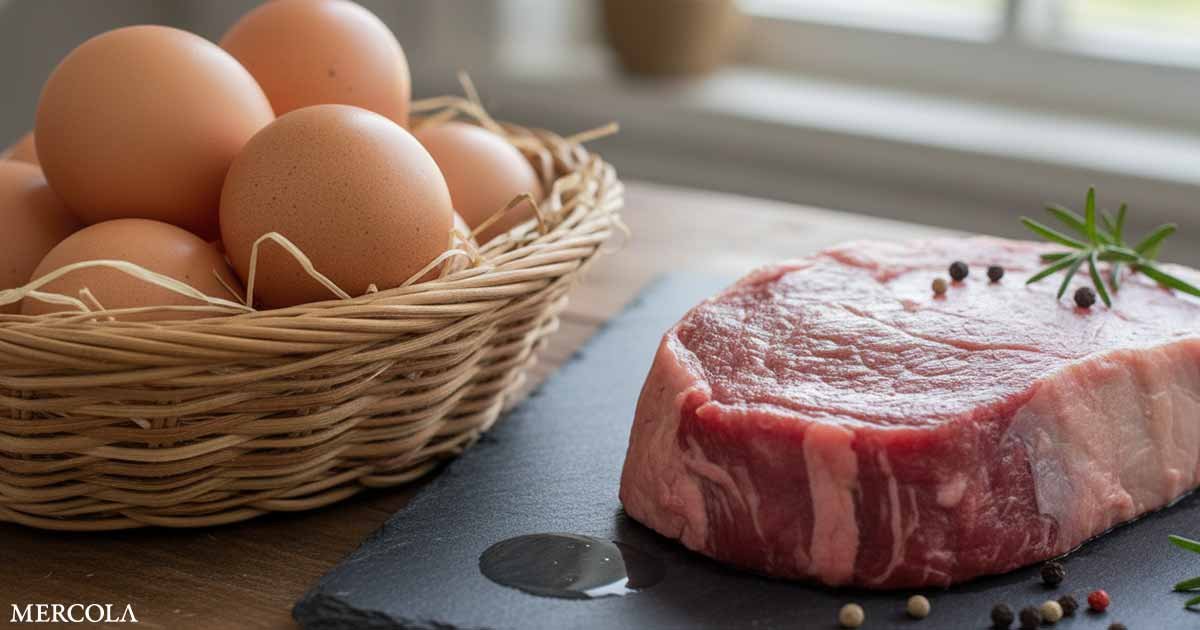
1. Prioritize real food sources of cysteine every day — The best way to raise cysteine levels is through food. Focus on whole protein sources like pastured eggs, grass fed beef, and raw dairy. These foods naturally contain cysteine in a form your body recognizes.
If you’re plant-based, cooked lentils and beans are options, though they’re less concentrated. You don’t need massive amounts — consistency is what matters. Over time, you’ll feed your intestinal stem cells the raw material they need to keep your gut lining strong. If you’re sensitive to sulfur compounds or notice headaches or increased body odor when consuming sulfur-rich foods, start with smaller amounts of cysteine-rich foods and increase gradually.
2. Repair your gut barrier before adding complex foods — If your digestion is sensitive or you’re recovering from illness, your intestinal lining is likely fragile. Start simple. Use easily digestible foods like white rice and fruit before reintroducing heavier fibers. As your intestinal barrier heals, slowly expand your diet. Think of this as rebuilding a foundation — you wouldn’t stack bricks until the frame is stable. Cysteine works best when your gut environment is calm and ready to regenerate.
3. Support your immune system’s communication network — Cysteine’s healing effect depends on immune messengers that tell your gut cells to repair damage. To keep this system working smoothly, get daily sunlight exposure to support your vitamin D levels, which regulate immune balance.
I also recommend proper breathing and grounding in nature whenever possible; both help modulate your immune response and reduce stress hormones that slow regeneration. The more balanced your immune system, the faster cysteine-driven healing occurs.
4. Add NAC for deeper support and faster recovery — If you want an extra boost, consider N-acetylcysteine (NAC), a supplemental form of cysteine that your body converts easily. NAC helps raise glutathione — your body’s master antioxidant — which protects gut tissue from oxidative stress and inflammation.
Because glutathione is also a powerful detox agent, starting with too high a dose often triggers strong detox symptoms that make you feel worse before you feel better. To avoid this, begin low — around 400 to 600 milligrams (mg) once daily — and slowly increase your dose over time as your body adjusts.
Always take NAC with food to reduce stomach irritation. Long-term NAC supplementation may reduce copper levels. Consider monitoring copper status or taking periodic breaks from supplementation.
If you’re currently taking an antidepressant or undergoing cancer treatment, discuss the use of NAC with your physician first, as it may interact with certain antidepressants and chemotherapy drugs. NAC is especially useful if you’ve been exposed to environmental toxins, are recovering from antibiotics, or struggle with fatigue. It acts like an insurance policy, ensuring your body has enough raw material to rebuild, protect, and detox efficiently.
5. Avoid foods that inflame or block regeneration — The fastest way to undo progress is to keep eating foods that irritate your gut. Eliminate all seed oils, which are widely used in fried foods, restaurant meals and ultraprocessed snacks. These are high in linoleic acid (LA), a polyunsaturated fat that acts as a mitochondrial poison when consumed in excess.
Replace them with stable fats like tallow, ghee, or grass fed butter. Also, avoid high-fiber foods if your gut is inflamed — they worsen endotoxin buildup. You’ll know your gut is improving when bloating subsides, energy rises, and you tolerate a wider range of foods.
Healing your intestinal lining isn’t a quick fix — it’s a biological rebuild. If you’ve struggled with chronic gut issues, expect to see improvements gradually as your intestinal stem cells restore balance. Track your progress by how you feel: fewer digestive flare-ups, better bowel regularity, deeper sleep, and more stable energy are all signs your gut is responding.
You’re not just feeding your stomach — you’re training your body to heal itself through the signals you send with every meal. Your gut has remarkable regenerative power. When you supply the right inputs — nutrients like cysteine, healthy carbs, and recovery time — you teach your body to rebuild rather than just cope. The result is a stronger, more resilient digestive system that supports every aspect of your health.
FAQs About Cysteine and Intestinal Health
Q: What does cysteine do for your gut health?
A: Cysteine is a sulfur-based amino acid that helps your gut rebuild itself from the inside out. It activates your body’s natural repair system by stimulating the cells that regenerate your intestinal lining. This process strengthens your gut barrier, improves nutrient absorption, and reduces inflammation that often leads to digestive discomfort.
Q: How is cysteine different from other amino acids?
A: Unlike amino acids that mainly serve as building blocks for protein, cysteine acts like a repair signal. It communicates with your immune system and triggers the production of gut-healing compounds that tell your body when to rebuild damaged tissue. This makes cysteine not just a nutrient, but a powerful regulator of regeneration and resilience in your digestive system.
Q: What foods are rich in cysteine?
A: You’ll find the highest levels of cysteine in protein-rich foods such as pastured eggs, grass fed beef, and raw dairy. If you eat a plant-based diet, cooked lentils and beans help, though they contain less cysteine and should only be eaten if your gut is healthy. The key is consistency — including these foods daily supports continuous repair of your intestinal lining.
Q: How does NAC help, and how much should I take?
A: NAC is a supplemental form of cysteine that your body converts easily. It boosts glutathione, your body’s master antioxidant, which protects gut tissue from inflammation and oxidative stress. Because it also supports detoxification, starting with too high a dose can cause uncomfortable detox symptoms.
Begin with 400 to 600 mg once daily, taken with food, and increase slowly as your body adjusts. If you take antidepressants or are undergoing chemotherapy, talk to your physician before adding NAC, as interactions are possible.
Q: What should I avoid while trying to heal my gut with cysteine?
A: Stay away from seed oils, fried foods, and ultraprocessed snacks that contain LA, a fat that damages your mitochondria and interferes with repair. Also avoid high-fiber foods if your gut is inflamed, as they worsen endotoxin buildup. Instead, use stable fats like tallow, ghee, or grass fed butter, and eat easily digestible foods such as white rice and fruit until your gut barrier strengthens.
[ad_2]
Source link


