
Table of Contents
If you’ve ever Googled “best weight loss program” late at night, you probably found yourself drowning in ads for detox teas and “7-day fixes.” The truth is less glamorous, but far more useful: the best program for you is one you can follow for months without feeling miserable. After coaching clients through different approaches, I’d like to share what actually separates the programs that work from the ones that just sell the dream.
What Makes a Weight Loss Program “Best” Instead of Just Popular?
A program can generate rapid results on paper but fail in the real world. The recent WeightWatchers and Noom studies show average losses of 3-5% body weight over a year, which is statistically significant yet not dramatic. The programs that outperform their competition tend to share several features. Here’s what I tell clients to look for:
- A focus on protein and fiber to keep hunger down.
- A calorie deficit of 300-500 per day, which yields about 0.5-1 lb per week.
- A built-in feedback loop: weigh-ins, food logging, or weekly check-ins.
- Room for your social life, family dinners, and travel.
- A clear exit strategy, or a plan for maintaining weight afterward.
Any approach that skips these points might work for a month, but it won’t keep your results.
The Heavyweight Contenders
Flexible Calorie and Macro Tracking
Flexible dieting, sometimes called IIFYM (If It Fits Your Macros), has dominated the fitness world for over a decade. You set calorie and protein targets, then use an app like MyFitnessPal to log food. It teaches portion sizes and lets you enjoy pizza occasionally, as long as you hit your numbers. For a more structured version, a 21-day diet plan gives you a day-by-day menu so you don’t have to think about what to eat. That style is a great starting point for people who feel overwhelmed by counting everything.

Low-Carb and Keto
Ketogenic diets restrict carbohydrates to under 50 grams a day, forcing your body to burn fat for fuel. The initial drop on the scale is impressive, often 5-8 pounds in the first week, but much of that is water. The real advantage comes from appetite suppression; high-protein, high-fat meals keep you full. The challenge is that it’s a significant overhaul of food choices. Then again, when you reintroduce carbs, some weight returns. This approach works best for people who prefer simple rules and don’t mind giving up bread and pasta.
Mediterranean-Style Eating
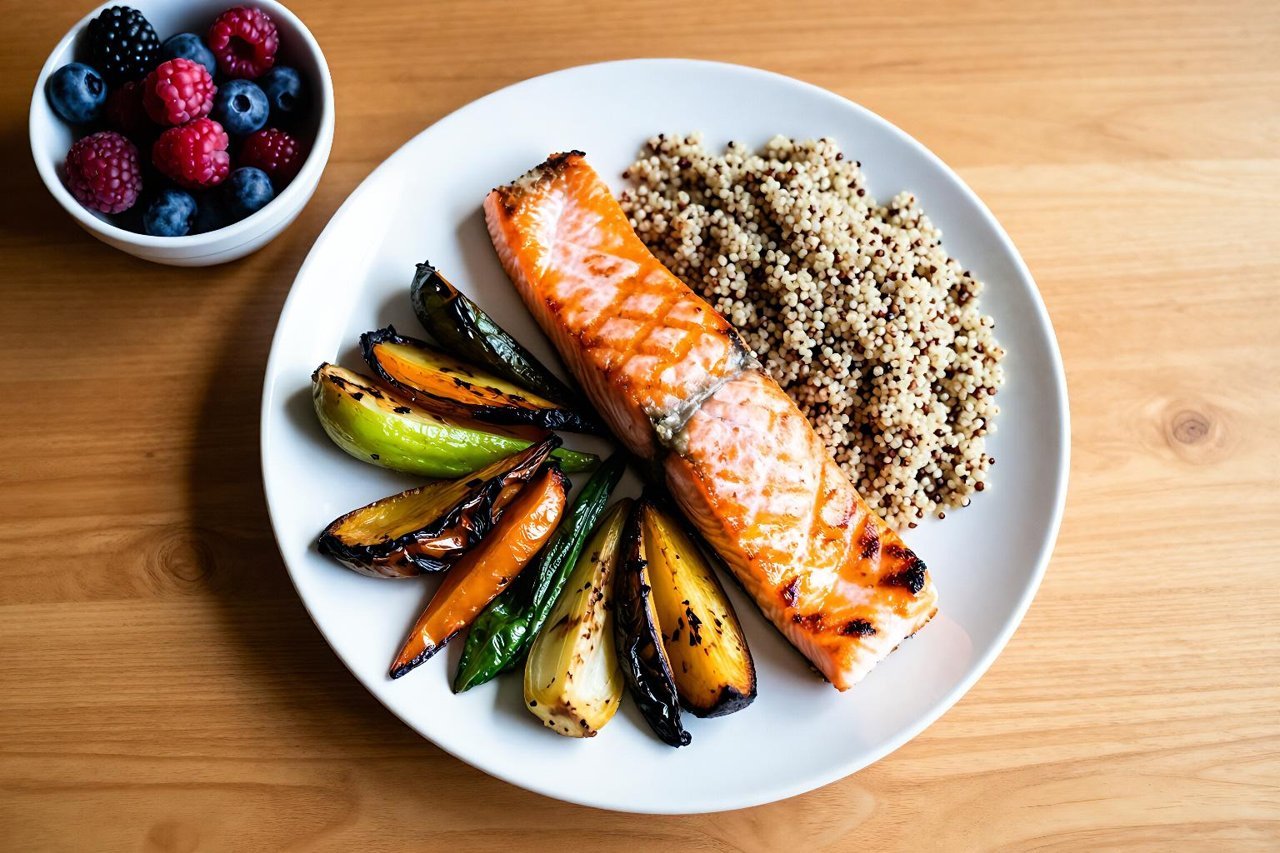
Not a formal “program” but a pattern backed by decades of research, the Mediterranean diet emphasizes vegetables, legumes, fish, olive oil, and whole grains. A 2022 review of 17 randomized trials found it produced modest but sustained weight loss (around 2-3 kg over 2 years) with excellent heart health benefits. What I love about this approach is that it doesn’t trigger the deprivation mentality. You don’t count every morsel. If you want to start small, try swapping in a breakfast recipe that supports weight loss.
Meal Replacement Plans
Plans like Optifast or the classic SlimFast use portion-controlled shakes and bars for a couple of meals per day. They work for rapid, no-nonsense weight loss, often 2-3 lbs per week, because the calorie math is done for you. However, they generally don’t teach you how to eat normally, so the weight often creeps back when you transition to real food. That isn’t to say they have no place. Using one meal replacement per day, combined with a balanced dinner, can help you stick to a deficit without feeling hungry.
Medically-Assisted Programs with GLP-1s
No discussion of weight loss in 2025 would be complete without GLP-1 medications like semaglutide (Ozempic, Wegovy) or tirzepatide (Zepbound). These drugs suppress appetite and slow gastric emptying, leading to average losses of 15% body weight in clinical trials. Many weight loss clinics now offer lifestyle programs around them to build healthy habits, and the results are often transformative. If you’re curious about the mechanics, read about how GLP-1 shots help with weight loss so you understand exactly what they do and the common side effects.
Why Exercise Is Part of the Equation
Diet alone will shed pounds, but it also strips away lean muscle, which lowers your metabolic rate. A well-designed program should include exercise that you actually enjoy and will repeat. Walking is the most underrated activity: it burns calories, lowers stress hormones, and requires zero equipment. Even brisk walking for 150 minutes a week can boost your weight loss by 10-20%. If you want a science-backed approach, check out this guide to walking for weight loss. For building strength without a gym, these bodyweight training apps offer structured circuits and progress tracking that work from your living room.
Your Personal Decision Framework
Stop searching for the best weight loss program in the abstract. Instead, answer these five questions:
- How much time do you have for cooking and prep? If the answer is “almost none,” meal replacements or a meal kit might win. If you love cooking, Mediterranean or flexible tracking fits better.
- What’s your relationship with carbs? If you crave bread and feel miserable without it, keto will fail. If you want a moderate, sustainable approach, choose calorie counting.
- How much structure do you need? Some people thrive on a daily plan that tells them exactly what to eat. For them, a 21-day diet plan is a godsend.
- Do you have medical support? If your BMI is over 30, or over 27 with a related health condition, ask your doctor about GLP-1 medications.
- What’s your budget? App-based programs cost less than $50 per month, while medical options can run hundreds.
Once you’ve answered, commit to your choice for at least four weeks. Weigh yourself once a week, and track your progress in a simple notebook or app. If you’re losing about one pound per week and feel fine, you’ve found your answer. If you’re losing much faster, like more than two pounds per week after the first month, you’re likely losing muscle, so eat a little more. If you’re losing less than half a pound, try increasing your step count or cutting one high-calorie habit instead of overhauling your meals.


