
Table of Contents
The first time I tried squash, I spent about forty minutes chasing a ball into corners and roughly four minutes actually hitting it. I went back twice more, then quietly retired the racket. Squash isn’t a bad sport. It was just a terrible first sport for someone with no racket background and no tolerance for looking foolish in front of strangers.
Picking well matters more than picking the “best” sport on paper. A beginner-friendly sport is one where you can be mediocre on day one and still enjoy yourself, where the kit costs less than a weekend away, and where you can find people to play with within a reasonable distance of your front door. Here’s what genuinely works, and why.
What makes a sport easy to start
Before the list, it helps to know what you’re measuring against. The sports below share most of these traits:
- A low skill floor. You can rally, swim a length, or complete a loop within the first session or two.
- Cheap or borrowable equipment. Under $100 to find out whether you like it.
- Short travel time. A 15-minute trip beats a 50-minute one, every single week.
- Forgiving on the body. Low impact, or intensity you can dial up and down.
- Social by default. Other people show up at the same time and place.
- Playable alone. Because schedules fall apart and motivation dips in February.
Running: the cheapest entry point, if you pace yourself
You own shoes. You own a door. That’s the entire barrier to entry, which is why running remains the most popular first sport in most countries. The catch is that beginners almost always run too fast and too far in week one, then spend week two limping.

Start with run/walk intervals
Try one minute of jogging, two minutes of walking, repeated eight times. That’s 24 minutes and roughly 2.5km. Do it three times a week for a fortnight before you extend the running blocks. It feels almost insultingly easy, which is exactly the point: tendons and joints adapt slower than your lungs do, and the first month is about building tissue tolerance, not fitness.
Buy proper running shoes from a shop that watches you jog, not the cheapest pair online. Expect to pay $110 to $160, and replace them every 500 to 650km.
Swimming: the skill that pays you back for decades
If you only learn one sport as an adult, make it this one. Swimming is zero-impact, works your whole body, and is the single best exercise for people carrying extra weight or recovering from injury. It’s also the one sport on this list that could save your life.
Adult beginner lessons are worth the money. Two or three sessions with a coach will fix the biggest issue most new swimmers have, which is lifting the head to breathe instead of rolling to the side. A 25-metre pool, 30 minutes, three times a week is plenty to start. If you have kids, look at programmes that combine instruction with water confidence, like these educational summer camps with snorkeling and sailing activities, where swimming gets taught alongside other outdoor skills.
Cycling: exercise disguised as transport
Cycling has an unfair advantage over most sports: it saves you money and time while it makes you fitter. A 20-minute commute becomes 40 minutes of low-intensity cardio you didn’t have to schedule.
Skip the carbon racing bike. A used hybrid or flat-bar road bike in the $300 to $600 range will handle bike paths, errands and weekend rides for years. Add a helmet, lights, and a decent lock, and you’re done for under $750 total. Flat routes first, hills later. Nobody is judging your average speed.
Badminton and pickleball: racket sports that forgive you
Racket sports are brilliant for beginners because the rally itself is the reward. You don’t need to be good to have a 15-shot exchange.
Why pickleball exploded
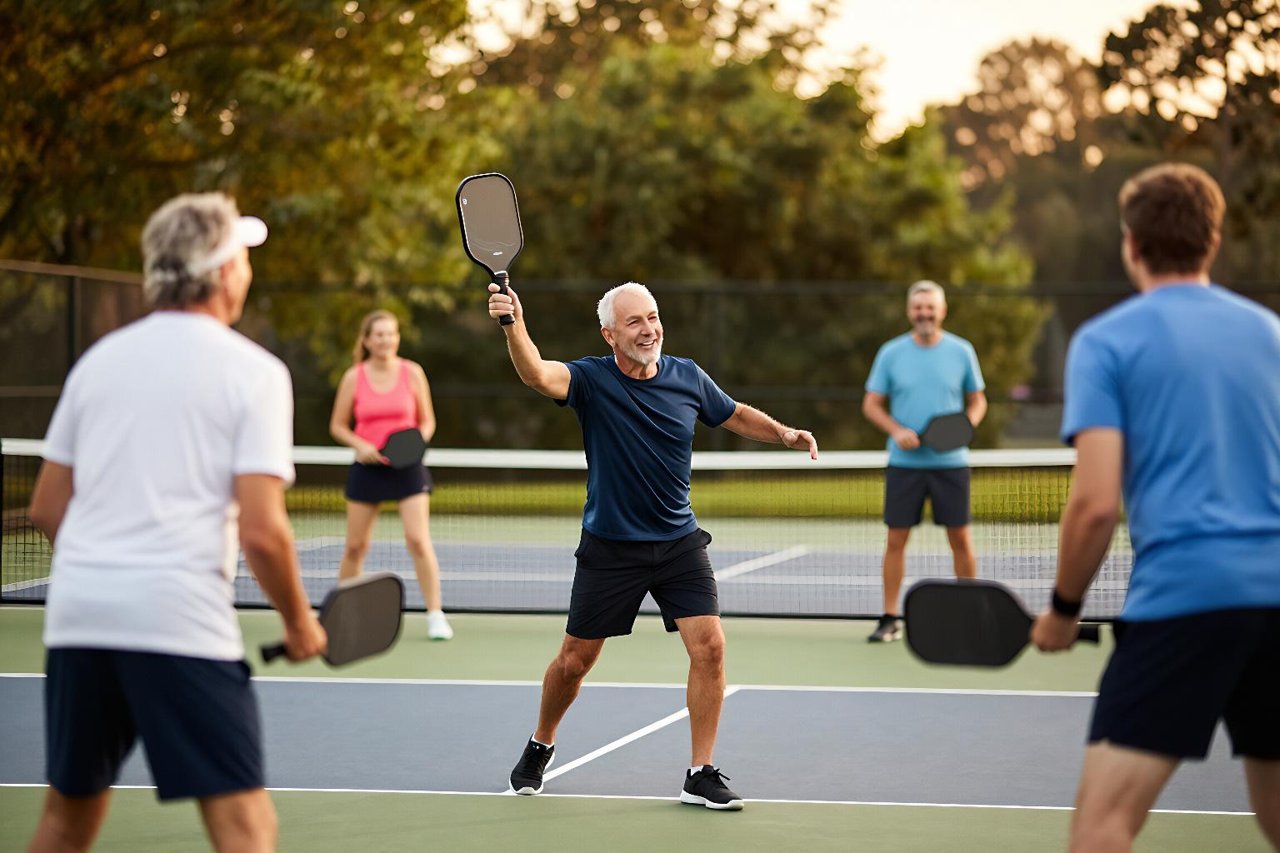
Pickleball is the fastest-growing sport in North America for a reason. The court is small, the paddle is short, the ball moves slowly, and the underhand serve means new players can keep a rally going within twenty minutes. It’s also genuinely social. Courts have appeared in parks, church halls and car parks, and most clubs run drop-in sessions where you get paired with strangers of similar ability.
Badminton is the cheaper alternative and a superb workout once you stop lunging at everything. Indoor courts near you likely run £5 or $8 club nights where you can turn up alone and get a game.
Hiking and hill walking: no skill required
There is no technique to learn. You put on shoes and walk, ideally somewhere with a view. Hiking builds aerobic fitness, strengthens your legs and ankles, and does more for your mental health than most gym memberships.
Start with 5km on flat ground and add a hill every couple of weeks. Good trail shoes run $90 to $140. If you need inspiration for routes within reach of a city, these day trips from Toronto show how much variety sits inside a two-hour drive, from easy lakeside loops to proper ridge walks.
Strength training: the least glamorous, most useful option
If your goal is feeling better in your body rather than winning anything, lifting is hard to beat. Two sessions a week of squats, hinges, pushes and pulls will do more for your back, posture and metabolism than three months of jogging.
Book one induction with a coach to learn the movements, then keep it simple: three sets of five on four exercises, adding a little weight each week. A basic gym membership plus a notebook is all the equipment you need for the first year.
Team sports: five-a-side, basketball, netball
Team sports win on accountability. When four other people are expecting you at 7pm on a Tuesday, you show up in the rain. The trick is finding a league that matches your level, so look for “recreational” or “social” divisions rather than anything with a league table and a trophy. Most cities run beginner-friendly rec leagues for football, basketball, netball, volleyball and touch rugby, usually with a free trial session.
Buying gear without wasting money
The classic beginner mistake is spending $400 on kit before you’ve played three times. Buy the minimum, buy it used where sensible, and upgrade only when you hit a wall. Racket sports, cycling and gym equipment all have healthy second-hand markets.
Seasonal sales are worth waiting for if you can. Outdoor retailers in particular discount heavily around long weekends, and roundups like REI’s Labor Day sale picks show how much you can save on shoes, layers and camping gear if you time the purchase.
Tracking progress keeps motivation alive in month two, when novelty has worn off. A cheap watch or a basic app does the job, though a smart ring is a comfortable option if you dislike wearing a watch while you train, since it logs heart rate and recovery without getting in the way.
The first six weeks, realistically
Expect soreness on days two and three, not day one. Expect to be terrible at anything involving hand-eye coordination for at least a month. Expect one missed week, and don’t treat it as failure.
The rule that saves most beginners: increase volume by no more than 10% per week. That means if you run 10km this week, don’t run 20km next week. Same for swimming distance, cycling hills and gym weight. Almost every early injury comes from a jump in load, not from the sport itself.
How to tell you’ve picked the right one
Give any new sport four to six sessions before you judge it. By then you’ll know whether it’s working, and the signs are fairly obvious.
You stop checking the clock. You find yourself thinking about it on a Wednesday afternoon. Someone at the club learns your name, or you start looking at the weather forecast to plan a session rather than to cancel one. Your skill improves in small, visible steps: you swim a length without gasping, you return three serves in a row, you ride the hill without stopping.
If none of that happens after six honest attempts, drop it and try something else. The best sport for a beginner isn’t the one with the highest calorie burn or the most impressive Instagram feed. It’s the one that’s easy enough to start, close enough to reach, and enjoyable enough that you keep turning up long after the initial enthusiasm has worn off.


