
Table of Contents
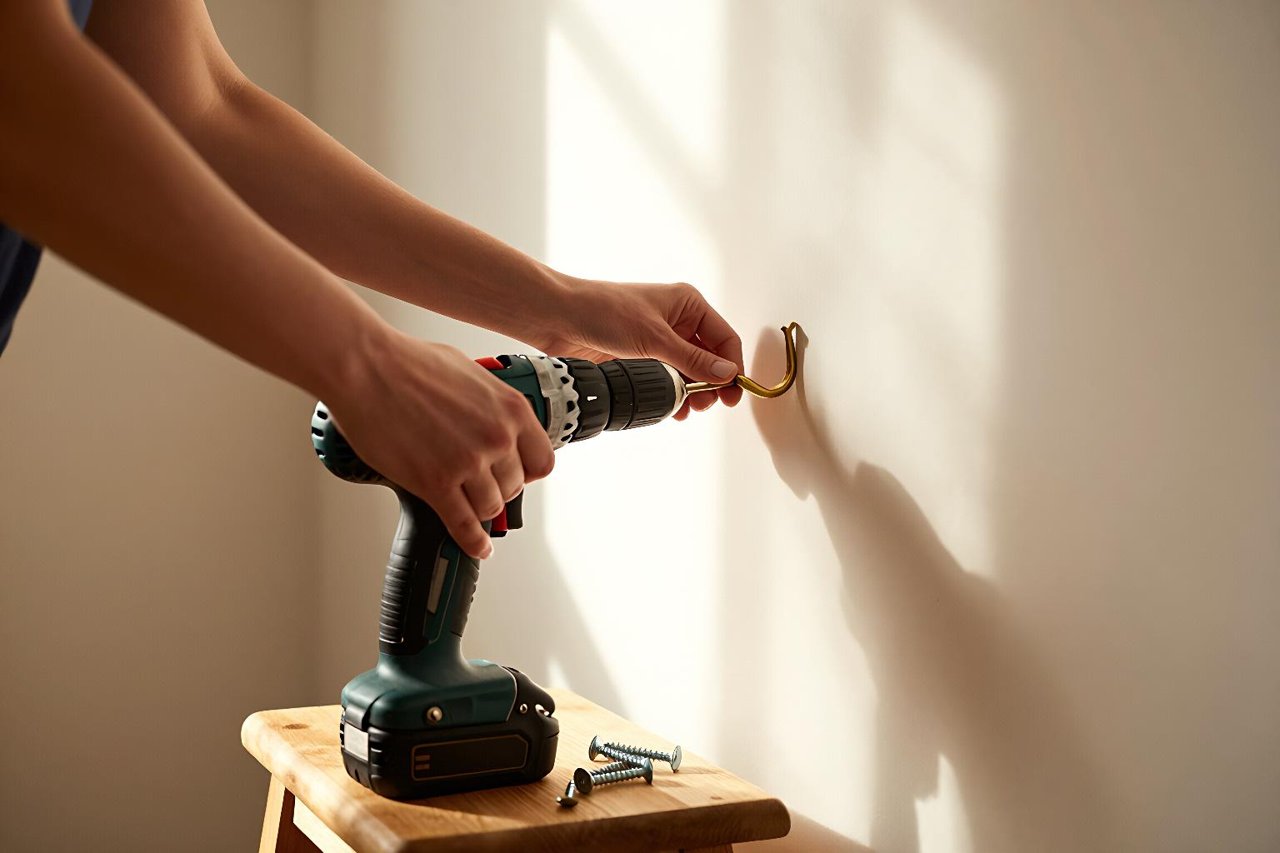
A friend of mine once spent an entire weekend reorganising her garage. By Sunday night it looked like a showroom. By Wednesday the bikes were back on the driveway and the bin bags had crept in again. What actually survived, she told me months later, was a three-dollar hook she screwed into the wall beside the door for her keys. Five minutes of work. She hasn’t lost her keys since March.
That’s the odd arithmetic of daily life. Big resolutions collapse under their own weight, while small changes quietly become permanent because they ask almost nothing of you. The trick isn’t motivation. It’s reducing the number of decisions you have to make before 9am.
Look for Friction, Not Weakness
Most people assume they’re disorganised or lazy when the same problem repeats every week. Usually it’s simpler than that. There’s a physical obstacle in the way and nobody removed it.
Walk through your day and notice where you stall. Do you dump your coat on a chair because the hook is in the hallway cupboard? Do you skip the gym because your kit is upstairs in a drawer? Do you order takeaway at 7pm because nothing in the fridge is ready to cook?

Each of those is a design problem, and each has a design fix. The rule I keep coming back to: make the good option the easiest one within arm’s reach.
Make Tomorrow Morning Easier Tonight
Mornings fail in predictable ways. The socks are wet, the lunch isn’t made, the bag is somewhere in the car. Twenty minutes of preparation the night before buys you a calmer start and, honestly, a better mood for everyone in the house.
The ten-minute reset
Set a timer before bed and do only this: dishes in the rack, surfaces cleared, clothes laid out, bag by the door, phone charging in another room. Ten minutes, not an hour. The point isn’t a spotless house; it’s that you don’t wake up already behind.
Decide once instead of five times
Repeated small decisions drain more energy than people expect. Pick a handful of things and commit to them for the week: the same breakfast, two or three default outfits, a standard grocery list stuck to the fridge. Fewer choices at 7am means more attention left for the parts of the day that matter.
Give Everything a Home Within Arm’s Reach
Clutter is rarely about having too much stuff. It’s about objects with nowhere to go, so they settle wherever they land. A bowl by the door for wallets and keys. A hook for the bag you carry daily. One drawer for the chargers and cables that otherwise colonise the kitchen counter.
Try this test: if putting something away takes more than about twenty seconds, it’ll end up on a surface instead. Move the bin closer to where you actually peel vegetables. Put a laundry basket in the bedroom, not the basement. Quietly remove the excuses.
Move More Without Calling It Exercise
Gym sessions get all the attention, yet a lot of the benefit of movement comes from what you do in the fifteen minutes between other things. Take phone calls standing up and walking. Use the stairs when the lift is right there. Park at the far end of the car park on purpose.
A ten-minute walk after your evening meal is one of the most reliable habits you can build, and it’s almost impossible to talk yourself out of because it doesn’t require changing clothes. If you want a broader framework for what actually shifts health over years rather than weeks, these everyday health habits that genuinely move the needle are a sensible place to start.
Change One Shelf in Your Fridge
The crisper drawer is where vegetables go to die. Everyone knows it, and most of us keep filling it anyway.
Try an experiment for a fortnight. Spend fifteen minutes after shopping washing and chopping whatever you bought, then put it in a clear container at eye level on the middle shelf. Move the drawer stuff up and the beer down. When the carrots are already cut and visible, you eat carrots. When they’re whole and hidden, you order pizza.
Same logic applies to snacks. Whatever sits at the front of the shelf gets eaten first, so put the fruit there and the biscuits on the top shelf behind the flour. You’re not banning anything, just adjusting the odds. If you find that structure hard to build on your own, a holistic nutrition coach who supports healthy eating habits can help you set up something realistic rather than another restrictive plan.
Put Some Music On, Deliberately
Most of us listen to podcasts in the car or nothing at all while cooking. Music tends to get pushed to the background, which is a shame given what it seems to do for the brain.
Research on music and cognition has found associations between regular musical engagement and better cognitive outcomes later in life, and the evidence on music and dementia risk is genuinely interesting. You don’t need to learn the violin. A playlist during dinner, an instrument you poke at on Sundays, singing badly in the kitchen. Twelve minutes of it counts.
Fix the Small Health Annoyances Before They Bite
Most households have a drawer of half-used medicines and no idea what’s in it. A modest tidy-up pays off the one evening you’re ill and hunting for paracetamol at 11pm.
- Bin anything past its expiry date, and check the cupboard twice a year
- Keep a thermometer, plasters, rehydration sachets and a working ice pack together in one box
- Write the date you opened any liquid medicine on the bottle with a marker
- Keep prescription medications separate from general painkillers so nobody grabs the wrong box in the dark
One thing worth knowing: some everyday painkillers don’t mix well with common antibiotics, and the interaction isn’t widely advertised. There’s a good reason to understand the risks of OTC painkillers while taking antibiotics before you combine them casually.
Spend Money on the Boring Upgrades
A second phone charger for the bag. Socks that don’t slide down. A lamp with a warm bulb in the corner instead of the overhead light. A bin with a lid that actually closes. These purchases are dull, and they quietly remove a dozen tiny irritations a week.
The same principle applies to gifts. A well-chosen useful object beats another novelty mug every time, which is roughly the thinking behind this practical gift guide for everyone on your list. Buy fewer things, but buy the version that won’t annoy you in six months.
None of this is dramatic. Nobody’s life changes because they moved a laundry basket upstairs. What happens is subtler: the small daily frictions stop accumulating, and you get that attention back for things you’d rather spend it on. Pick the one item on this list that made you wince with recognition, and deal with it before you go to bed tonight. It’ll take less time than reading this did.


