
Table of Contents
The Iridium network went live in November 1998. Sixty-six satellites, eleven years of engineering, roughly $5 billion of Motorola’s money. Nine months later the company filed for Chapter 11.
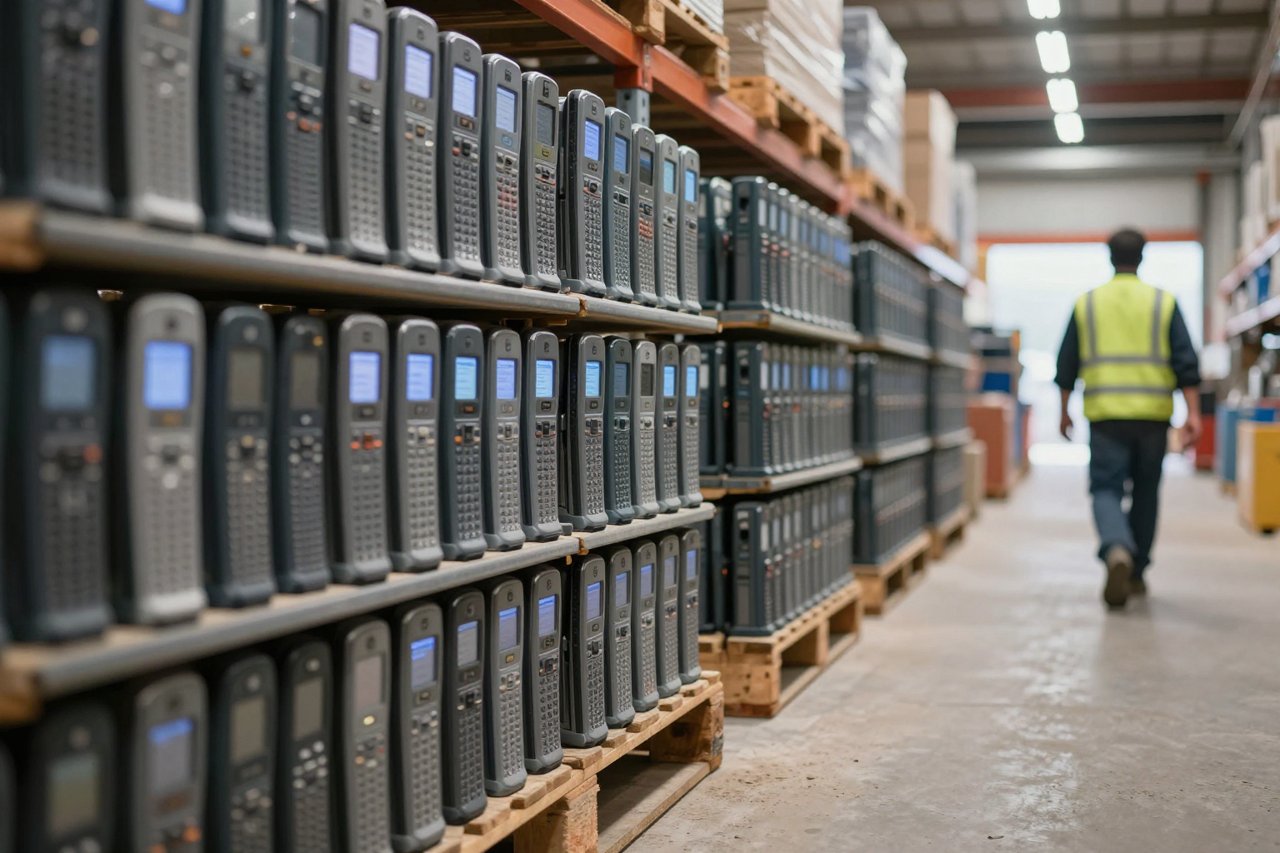
The handsets were the size of a house brick and cost $3,000. Calls ran about $7 a minute. None of that mattered much, because by launch day terrestrial cell towers already covered almost every patch of ground Iridium’s customers actually stood on. The satellites and ground stations were eventually sold for around $25 million.
That story has been retold dozens of times, and it still stings. Here are seven technologies that swallowed billions of dollars, why the bet looked reasonable at the time, and what the people signing the cheques missed.
1. Iridium: the satellite phone nobody needed
Motorola began planning Iridium in 1987, when a mobile phone was still a status symbol bolted to a car dashboard. By the time the constellation was complete, the market had moved underneath it. Analysts had forecast millions of subscribers; Iridium peaked at around 55,000 before bankruptcy.

The timing problem wasn’t unique to satellites. The payoff from new technology routinely arrives years after the bill, which is exactly what makes the relationship between technological innovation and the economy so painful for whoever funds the middle of the curve.
2. Webvan: $800 million of groceries for a market that hadn’t arrived
Louis Borders founded Webvan in 1996 with a bold thesis: build automated warehouses, deliver groceries to homes, undercut supermarkets. Investors handed over roughly $800 million, and the company went public in 1999 with a valuation near $8 billion.
Then came the detail that killed it. Webvan ordered more than $1 billion of warehouse automation from Bechtel before it had proven demand in a single city. Each fulfilment centre cost about $30 million to build. The company filed for bankruptcy in July 2001 and cut around 2,000 jobs. Amazon, which started selling groceries years later with far lighter infrastructure, is a useful contrast.
3. Microsoft Kin: a billion dollars gone in 48 days
Microsoft paid about $500 million for Danger, the Sidekick maker, in 2008, then spent two years building a social-media phone for teenagers. The Kin One and Kin Two launched in May 2010 on Verizon. They required a data plan that cost more than the phone’s appeal justified, and the software shipped without the features the target audience expected.
Microsoft pulled the Kin from shelves within roughly seven weeks and took a $240 million write-down on the Danger acquisition alone. Add development and marketing and the total damage crept toward $1 billion. Estimates of units sold sit in the low thousands.
4. Google Glass: the wearable that turned customers into a punchline
The $1,500 Explorer Edition landed in 2013 with a live camera pointed wherever the wearer looked. Bars banned it. Cinemas banned it. The word “Glasshole” entered the vocabulary within months, and Google shelved the consumer version in January 2015.
Google never published a figure for the programme, though reporting at the time put running costs in the hundreds of millions. The deeper problem was social, not technical. Wearable cameras arrived just as the Snowden revelations about mass surveillance were making people newly suspicious of always-on microphones and lenses pointed at strangers.
5. Theranos: a $9 billion valuation built on a machine that didn’t work
Elizabeth Holmes founded Theranos in 2003 promising blood tests from a single finger prick. By 2014 the company was valued at $9 billion and had raised more than $700 million from investors including Walgreens, which rolled out testing centres in its stores.
The Edison devices couldn’t deliver what the pitch deck claimed. John Carreyrou’s reporting in the Wall Street Journal broke the story in October 2015, regulators moved in, and the company dissolved in September 2018. Investors lost the better part of a billion dollars. Holmes was convicted of fraud in January 2022 and sentenced to more than eleven years. The lesson here is blunter than the others on this list: sometimes the technology fails because it was never built.
6. Quibi: $1.75 billion for six months of streaming
Jeffrey Katzenberg and Meg Whitman launched Quibi in April 2020 with $1.75 billion in funding and roughly $1.1 billion committed to content. The idea was premium short-form video for commuters: ten-minute episodes, shot in a format that switched between portrait and landscape as you rotated the phone.
Two things went wrong at once. Lockdowns erased the commute the entire product was designed around. And the app’s “Turnstile” feature blocked screenshots and screen recording, which meant nobody could share a clip and generate free marketing. Quibi announced its shutdown in October 2020, six months after launch.
7. Concorde: the most beautiful write-off in aviation history
Britain and France spent more than £1.5 billion developing Concorde in the 1960s and 70s, a figure that ballooned well past early estimates before the first commercial flight in 1976. Only 20 airframes were built, and just 14 entered service with British Airways and Air France.
The economics never closed. Concorde carried around 100 passengers at enormous fuel cost per seat, while a Boeing 747 carried four times as many for a fraction of the ticket price. Both airlines flew the aircraft at a loss for decades, and the fleet retired in 2003. The development bill was never recovered, and no supersonic successor has flown commercially since.
The pattern behind the write-downs
Read these seven side by side and the failure modes start repeating:
- Infrastructure before evidence. Webvan’s Bechtel order, Iridium’s 66 satellites and Concorde’s tooling all committed billions before anyone could point at a paying customer.
- A market that moved during construction. Long hardware cycles give competitors time to solve the same problem more cheaply with software or existing networks.
- No honest feedback loop. Theranos is the extreme case, but hype silences internal sceptics in ordinary companies too.
- A feature that fought the customer. Quibi’s anti-sharing turnstile and Glass’s visible camera both made users feel watched or restricted.
- Hardware’s unforgiving arithmetic. Software pivots cost engineering time. Factories, satellites and handsets cost cash you cannot get back. Microsoft took a further $7.6 billion write-down on its Nokia handset business in 2015 for much the same reason.
There’s a physical hangover as well. Unsold handsets, abandoned kiosks and decommissioned warehouse robots become e-waste, and their plastic casings eventually break into the fragments traced across the century-long rise of microplastics.
What the companies that avoided this did differently
Firms that survive big technology bets tend to share a few habits, and none of them are glamorous. They prototype the riskiest part at the smallest possible scale, then test it against real behaviour rather than survey responses. They write down in advance what evidence would make them stop, and they give that document to someone with the authority to enforce it.
They also design for the market they will have at launch, not the one that exists on the day the project is approved. Iridium was designed for 1987 and shipped into 1998. Quibi was designed for a commuter and shipped into a lockdown. Concorde was designed for a world where fuel was cheap and speed was the only luxury that mattered.
One more habit separates the survivors: they treat a killed project as information rather than humiliation. Google’s Glass team eventually rebuilt the idea as an enterprise tool for factory floors and surgeons. That version never made headlines, and it works. Iridium, incidentally, is still operating today under different ownership. The technology was fine. The business model wasn’t.


