
Table of Contents
The average indoor cat lives 13 to 15 years. A Maine Coon might give you 12; a Siamese often pushes 20. Whatever you pick, you’re signing up for more than a decade of shared living space with a small animal that has firm opinions about curtains, keyboards and 4am.
Getting the breed right makes those years easy. Getting it wrong is how cats end up on rehoming sites at 18 months old with the note “needs more time than we can give.” So before you fall for a face on Instagram, work through the practical questions below.
Start With Your Real Week, Not the Breed Photos
Breed profiles describe a cat at its best. Your schedule describes what it will actually get. Write down the honest version of your week, not the one you aspire to.
Hours you’re genuinely home
Oriental breeds, Siamese, Bengals and Abyssinians are wired for company and interaction. If you leave at 8am and get back at 7pm five days a week, one of these cats will spend those hours inventing its own entertainment, and it won’t pick the toys you bought. A British Shorthair or Ragdoll will mostly sleep, then greet you at the door like a reasonable flatmate.

Square footage and shared walls
A big, athletic cat in a studio flat is a bad deal for both of you. If you rent a one-bedroom with neighbours on the other side of plasterboard, an 11pm zoomies session becomes a group activity. The best cat breeds for apartments covers noise levels and space needs without the usual sugar-coating.
Energy Level: The Mismatch That Sends Cats Back
Most rehoming listings aren’t about allergies or landlords. They’re about a cat with more drive than its owner expected. Bengal owners regularly describe 20 minutes of intense play before breakfast and again before bed, plus puzzle feeders to fill the gaps. Persian and Exotic Shorthair owners describe a cat that moves between three favourite sleeping spots.
Neither is better. Only one matches your evenings.
Kittens are a stage, not a personality
Every kitten is a small tornado for the first eight months. Whatever personality you see in a six-week-old is mostly noise. Assume the adult version will be roughly half as frantic and three times as strong, and buy accordingly.
Low-key doesn’t mean boring
Calmer breeds still play. A Ragdoll will chase a wand toy across the room and then go limp in your arms; a British Shorthair will supervise DIY from a windowsill and headbutt you at dinner. If this is your first cat, the breeds that suit first-time owners tend to be forgiving of missed play sessions and learning curves.
Grooming Is a Weekly Bill You Pay in Minutes
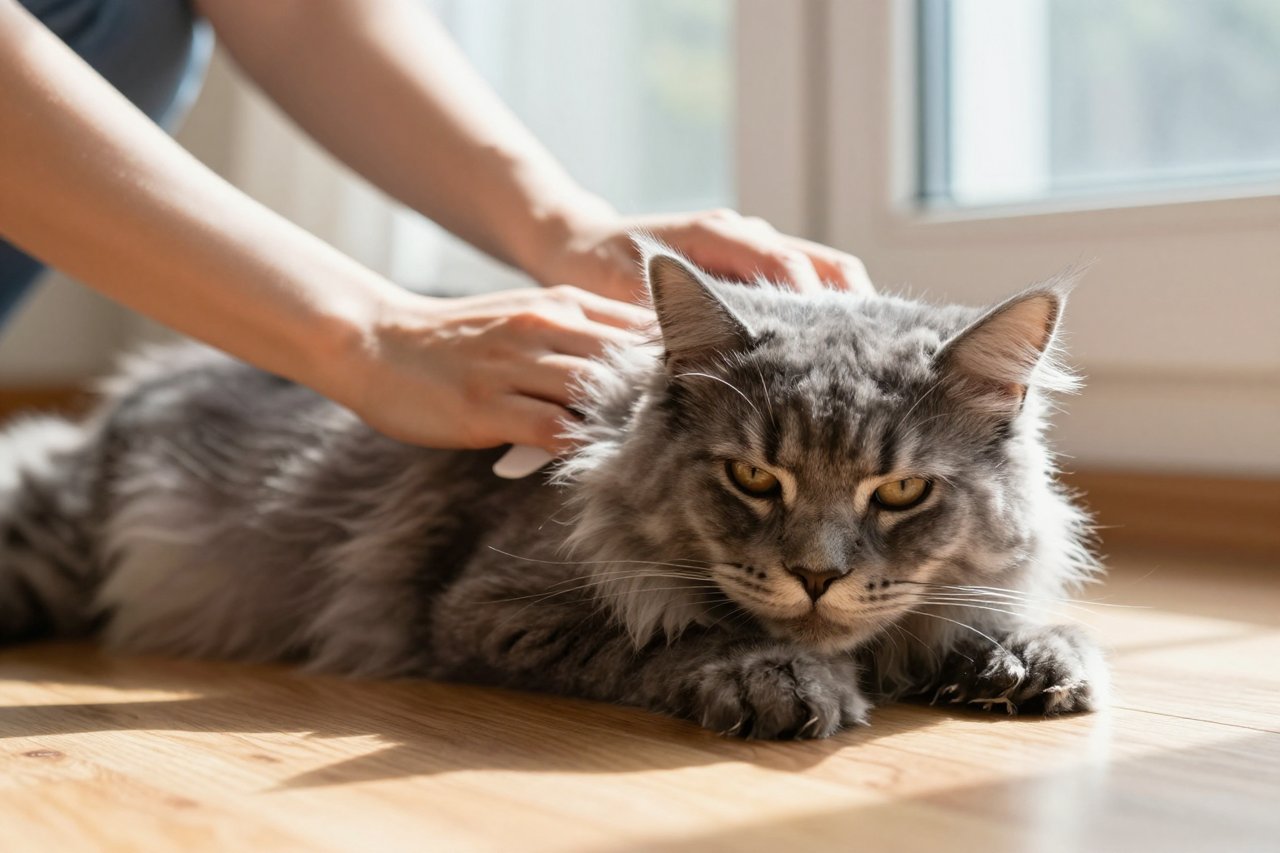
Coat length is a maintenance contract, and the numbers are concrete. A Persian needs 10 to 15 minutes of combing daily, or the coat mats at the skin where you can’t see it. Maine Coons need twice weekly sessions, with extra attention behind the ears and under the tail. Short-coated breeds need about five minutes a week, but expect a heavy shed each spring when the undercoat blows out. Sphynx cats need weekly baths because there’s no fur to absorb skin oils, and their ears and nail beds collect grime.
If nobody in the house will commit to that routine, choose a short coat and save yourself the vet bills for shaved matted fur and skin infections.
Health and Lifespan: Read Past the Face
Breed shapes have consequences. Flat-faced cats such as Persians and Exotics can struggle in heat, snore badly, and build up tear staining and dental problems. Scottish Folds carry a cartilage mutation that can cause painful joint disease, which is why several countries restrict their breeding. Maine Coons and Ragdolls have higher rates of hypertrophic cardiomyopathy, a heart condition that screening can flag in breeding parents. Persians have a history of polycystic kidney disease.
None of this rules a breed out. It means you ask specific questions and budget for screening. Lifespan varies widely too, and if longevity matters to you, start with the cat breeds that regularly pass 15.
Does the Cat Fit Everyone Else in the House?
A tolerant, sociable breed handles noise, grabbing toddler hands and a rotating cast of visiting relatives far better than a nervous one. If there are children under six in the house, temperament should outrank looks entirely. Have a look at the breeds that cope with family life before you shortlist anything dainty.
Existing pets count too. A confident, laid-back cat can hold its own with a respectful dog; a shy breed will spend months living behind the sofa. Rabbits shouldn’t be left unsupervised with any cat, whatever the internet says.
Indoors Only, or Garden Access?
Where you live changes the shortlist more than most guides admit. A Bengal shut in a flat needs vertical climbing space, daily structured play and ideally leash training or a catio, or it will redecorate. A Ragdoll is a poor candidate for busy roads because it has almost no road sense. If indoor life is the permanent plan, the best indoor cat breeds genuinely thrive without a garden, provided you give them climbing routes and window perches.
Ask These Questions Before Money Changes Hands
Whether you visit a breeder or a rescue, the questions are the same. Vague answers are your signal to walk away.
- Can I see the mother with her kittens, and where are they raised?
- Which health tests have both parents had, and can I see the certificates?
- How much handling have the kittens had, and how do they react to strangers?
- What does the contract cover, including a return clause if things don’t work out?
- Can I visit twice, at different times of day, before collecting?
Rescues deserve a serious look. Adult cats come with a known temperament, and foster carers will tell you honestly whether a cat hides under the bed or meets visitors at the door. For someone who works long hours, a settled four-year-old lap cat is often a better fit than a pedigree kitten.
Budget for Year One, Not Just the Purchase
Purchase prices range from around £400 for a common pedigree to £1,500 or more for a rare breed, while rescue adoption fees sit nearer £80 to £150. Then the recurring costs arrive: insurance at roughly £12 to £30 a month depending on breed and age, vaccinations, microchipping, neutering, food at £25 to £45 a month for a medium cat, and litter on top of that.
Keep an emergency cushion of about £1,000. A blocked bladder or a swallowed hairband can easily clear £800 in one weekend, and insurance excesses and exclusions bite hardest in the first year.
The Individual Cat Beats the Breed Label Every Time
Breed predicts averages, not individuals. Two kittens from the same litter can differ completely in confidence and clinginess. That’s why the last step matters more than the first: meet the cat. Ask for a short video, watch how it reacts when a stranger enters the room, and if you’re buying a kitten, ask to meet at least one of the parents.
The right cat is the one whose temperament fits the life you have this month, not the version you’re planning for someday. Pick for the Tuesday evenings and the vet bills, not the holiday photos, and you’ll still be glad about the decision in year twelve.


