
Table of Contents
A cat reaching its twentieth birthday is not a freak of nature. Breed records, pet-insurance claims and veterinary practice data all show a small cluster of breeds that keep turning up at 18, 19 and beyond, while others are quietly slowing down at eleven.
The all-time record belongs to Creme Puff, a tabby from Austin, Texas, who died in 2005 at 38 years and 3 days. She was a mixed-breed cat, which tells you straight away that genetics only get you so far. But among pedigree cats the spread is real, consistent, and useful to know before you choose a kitten.
What a long life actually looks like in a cat
Most indoor cats die somewhere between 13 and 15. Cats that live outdoors without supervision average closer to five to seven years, mostly because of traffic, fights and infectious disease. So before comparing breeds, be honest about the biggest variable: the front door.
Within the indoor population, the strong performers cluster at 15 to 20. The current Guinness record for a living cat sits around 28, held by a tortoiseshell in the UK. Compared with the longest-living pets on the planet, where macaws pass 60 and tortoises outlive their owners, two decades sounds modest. It is still a commitment that will follow you through three house moves and probably one career change.

The breeds that keep showing up in old-age clinics
Siamese and the Oriental family
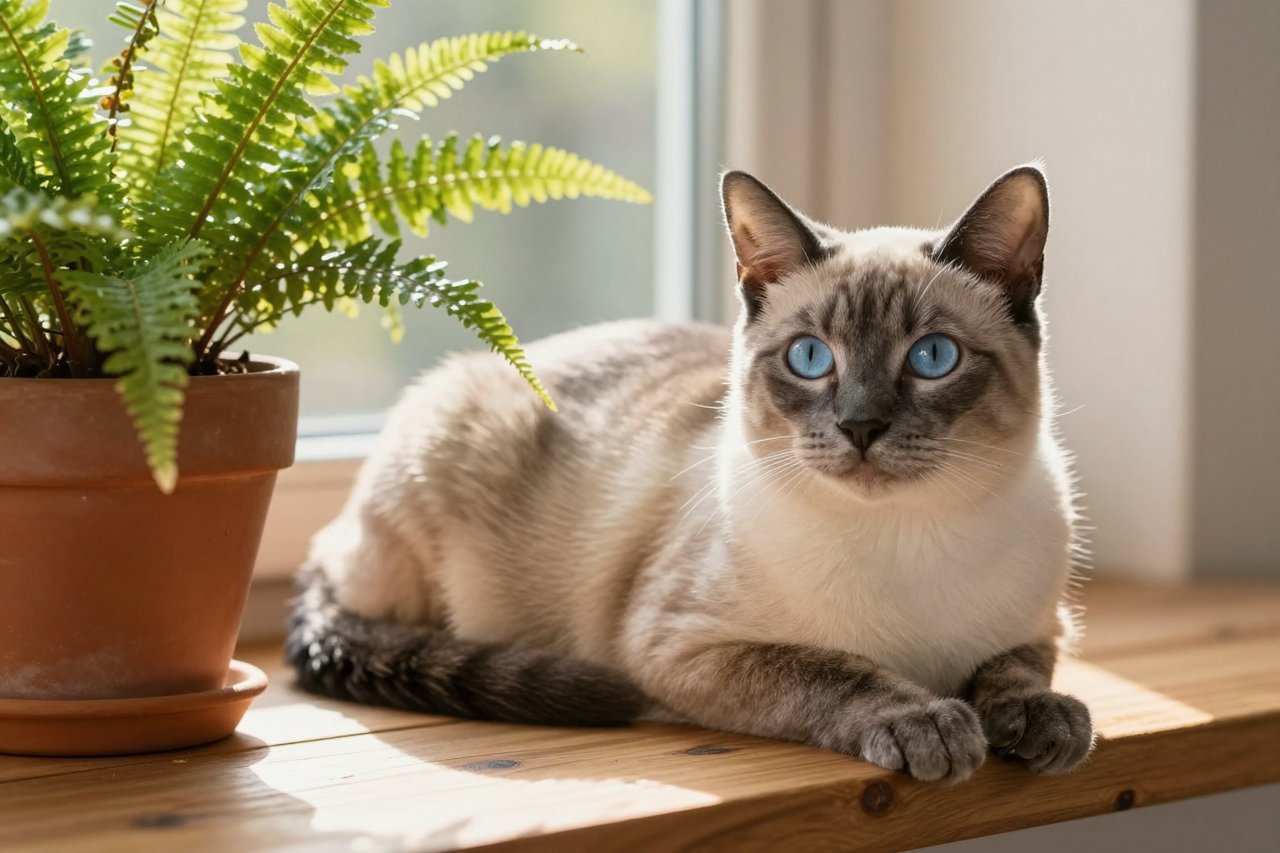
Siamese cats routinely reach 15 to 20, and 22 is not unusual. The wider Oriental group, including Balinese and Oriental Shorthairs, shares the same lean, muscular build and the same reputation for longevity. A 2019 study of Swedish insurance data put Siamese among the longest-lived pedigree groups, with several lines averaging past 16. They are talkative, demanding and utterly convinced the household revolves around them, which may be part of why they stay engaged and healthy.
Burmese
Burmese regularly hit 16 to 18, and the breed has produced a handful of verified cats past 24. They are stocky, curious and unusually sociable, and they tend to stay playful well into old age. One caveat: Burmese carry a higher risk of diabetes and of a genetic head defect called “Burmese head” in newborns, so buy from a breeder who screens and keep an eye on weight.
Russian Blue
Fifteen to 20 years is typical, and Russian Blues are one of the few breeds where owners routinely report 20-plus without much fuss. The double coat is dense and low-shedding, the personality is reserved but affectionate, and the breed has very few inherited health problems. If you want a quiet cat that might outlive your mortgage, this is a strong candidate.
American Shorthair
This is the quiet workhorse of the longevity charts: 15 to 20 years, robust immune systems, few genetic issues, and a temperament that tolerates children, dogs and chaos. Their ancestry as working barn cats shows in their resilience. They also handle being indoor-only better than more energetic breeds, which matters more than most people realise.
Birman and Balinese
Both are good bets at 14 to 18. Birmans are calm, gentle and famously slow to show their age. Balinese, essentially a long-haired Siamese, bring the same slim build and the same tendency to reach the high teens, though their coat needs a comb twice a week to avoid matting.
Japanese Bobtail
A rarer choice, but 15 to 18 is standard, with good records of cats reaching their early twenties. The curled pom-pom tail is the giveaway. They are active, chatty and remarkably hardy, with no significant breed-wide health defects.
What the long-livers have in common
Look down that list and a pattern appears. These are not the spectacular-looking breeds.
- Moderate, athletic builds that put less strain on joints and hearts over two decades.
- Normal faces with clear airways, unlike flat-faced Persian types with their breathing and tear-duct problems.
- Few inherited defects. Longevity often comes down to the absence of a single breed-wide flaw.
- High sociability that keeps them moving and mentally engaged into old age.
- Short or manageable coats that owners can actually keep on top of.
The gorgeous breeds that burn a little brighter and shorter
It feels unfair to write this, because plenty of individual cats beat the averages. Still, if lifespan is your priority, go in with open eyes.
Maine Coons and Ragdolls are the gentle giants, usually landing at 12 to 15, with Maine Coons carrying a well-documented risk of hypertrophic cardiomyopathy. Sphynx cats average closer to 9 to 13 because of skin, heart and dental issues. Scottish Folds often sit at 11 to 14, and the cartilage mutation behind the folded ear can also cause painful joint disease. Persians and Exotic Shorthairs manage 12 to 15, but only with regular eye cleaning and careful breathing checks.
The comparison with dogs is interesting here. The dog breeds that regularly pass 15 tend to be small, lean and unglamorous too, which suggests the principle is about body design and breeding pressure rather than species.
The everyday habits that add years whatever the breed
Genetics load the dice. Husbandry rolls them. Three things move the needle more than any pedigree certificate.
Body condition
Being even two pounds overweight raises the risk of feline diabetes, arthritis and heart strain. Weigh your cat monthly, and feed to a measured target rather than topping up the bowl. Free-feeding is the single most common lifespan tax owners pay by accident.
Teeth
Periodontal disease affects most cats over three and leaks bacteria into the bloodstream, which can land on the heart valves and kidneys. Brushing is the gold standard, and the technique is the same whether you are working on a cat or brushing a dog’s teeth without a wrestling match. Start with a finger, use cat-specific enzymatic paste, and keep sessions under thirty seconds. Annual dental checks under anaesthetic are worth the cost.
Boredom and stress
Sedentary, stressed cats age faster on every measure that matters. Vertical space, scratch posts, puzzle feeders and a few minutes of wand-toy play daily keep muscle mass up and cortisol down. The broader patterns of personality, training and daily care that keep pets thriving apply almost identically to cats as they do to dogs, and enrichment is far cheaper than treating the diseases of inactivity.
The twenty-year arithmetic nobody mentions
A Siamese kitten bought at twelve weeks could reasonably be around when your future teenager sits their final exams. Budget for that properly: pet insurance from the first month rather than the tenth year, an annual vet check that becomes twice-yearly after age ten, and roughly double the food bill by the time the cat is a senior. Add dental cleanings, bloodwork and at least one surgery over a lifetime.
The practical sweet spot, if you want both longevity and predictability, is a moderate-built breed with a clear airway, a reputable breeder who can show you health screening results, and an indoor life with a window perch and a climbing tree. Do those things and a 17-year-old cat is a reasonable expectation rather than a lucky accident. The record, remember, sits at 38.


