
Table of Contents
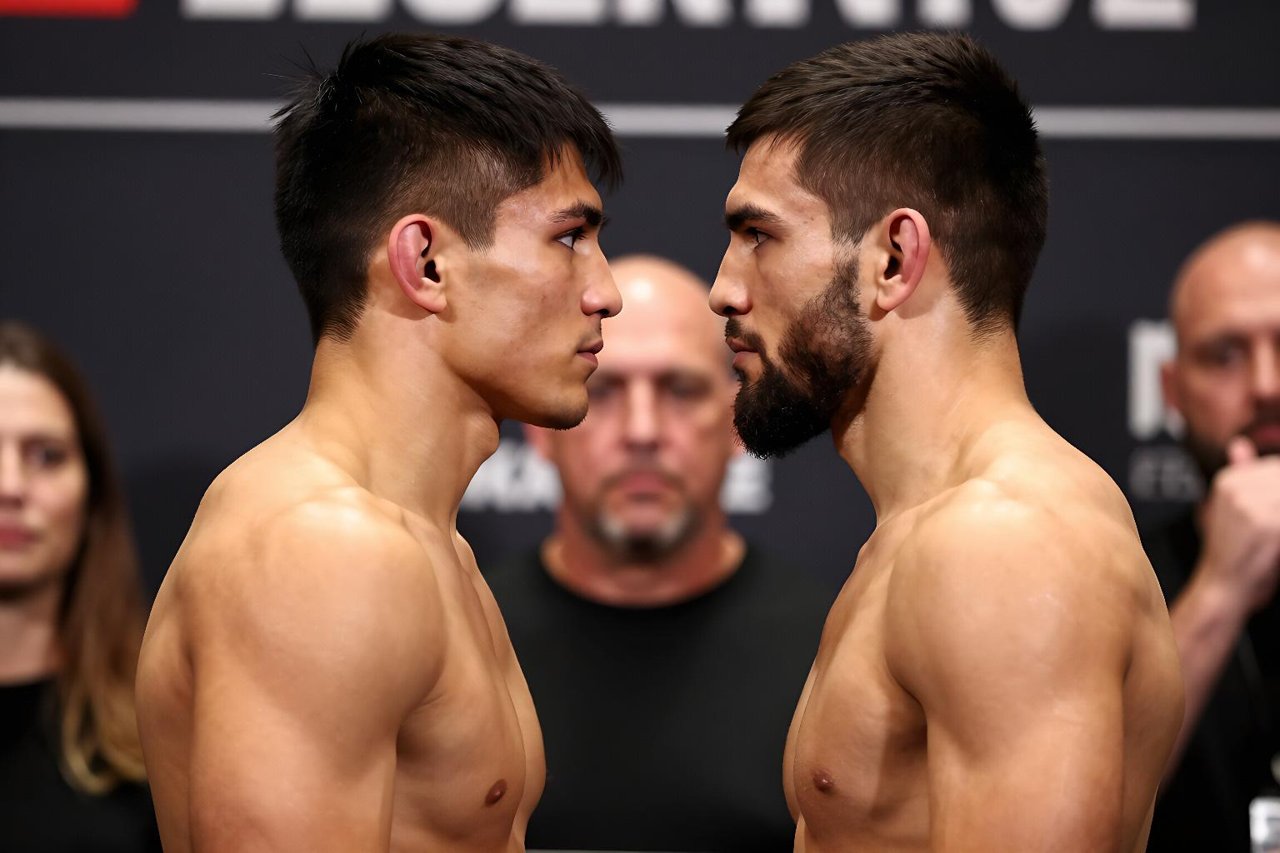
A fighter steps on the scale, misses weight by 1.6 pounds, and the main event is suddenly a catchweight bout nobody wants. That single moment is the clearest argument for why MMA weight classes exist: the sport’s entire competitive structure hangs on a number that has to be hit in a narrow window on a Thursday morning.
Here’s how the divisions actually work, from the 125-pound flyweights to the 265-pound heavyweights, and why the scale causes so much drama along the way.
Why MMA Has Weight Classes at All
Mass matters. A fighter carrying 30 pounds more lean muscle throws harder, absorbs shots better, and wins the grappling exchanges more often. Without divisions, a 145-pound featherweight would eventually be matched against a 265-pound heavyweight, and the result would be both predictable and unsafe.
Weight classes exist to solve two problems at once. They protect fighters from physical mismatches, and they create fair, watchable fights where technique decides the outcome instead of sheer size. Every serious promotion on the planet runs on that logic.

The one-pound allowance
Non-title fights in the UFC carry a one-pound allowance: a lightweight can officially weigh 156 pounds and still be fine. Championship bouts have no allowance at all. Miss weight for a title fight and you’re either stripped of your shot or forced to compete without the belt on the line.
The Men’s Divisions, Flyweight to Heavyweight
The UFC runs eight men’s weight classes. Here’s the full list with their limits:
- Flyweight — 125 lb (56.7 kg)
- Bantamweight — 135 lb (61.2 kg)
- Featherweight — 145 lb (65.8 kg)
- Lightweight — 155 lb (70.3 kg)
- Welterweight — 170 lb (77.1 kg)
- Middleweight — 185 lb (83.9 kg)
- Light heavyweight — 205 lb (93.0 kg)
- Heavyweight — 265 lb (120.2 kg)
Notice the gaps. There’s a 10-pound jump from lightweight to welterweight, then 15 pounds up to middleweight, 20 to light heavyweight, and a 60-pound chasm from 205 to heavyweight. Those widening gaps are a hangover from boxing’s old weight-class structure, and they explain why light heavyweights often look like oversized middleweights while heavyweights can look like anything at all.
Heavyweight is the only division with a ceiling rather than a range, and it’s a hard 265 pounds. A fighter who weighs 280 pounds on fight night isn’t fighting for a UFC title. There’s no men’s strawweight division in the UFC, though 115 pounds exists on the regional scene and in promotions abroad.
The Women’s Weight Classes
The UFC currently operates three active women’s divisions, plus a featherweight class that has been largely dormant since Amanda Nunes retired in 2023.
- Strawweight — 115 lb (52.2 kg)
- Flyweight — 125 lb (56.7 kg)
- Bantamweight — 135 lb (61.2 kg)
- Featherweight — 145 lb (65.8 kg), rarely booked
Below strawweight sits atomweight at 105 pounds, which shows up in Invicta FC and in ONE Championship but has never been a UFC division. The talent pool at 105 is genuinely deep — it just hasn’t had a big-stage home in North America.
How Weight Cutting Actually Works
Fighters almost never compete at their walking-around weight. A lightweight who steps on the scale at 156 pounds might weigh 178 two nights later inside the cage. That gap comes from a water cut: weeks of dieting to strip body fat, followed by a final 48-hour dehydration push using hot baths, sauna sessions, and drastically reduced fluid intake.
Once the fighter makes weight, they have roughly 24 to 36 hours to rehydrate and eat. Most put back 10 to 20 pounds. The system is legal, universal, and widely criticised by sports scientists who point out that dehydration impairs cognitive function and increases the risk of kidney injury and brain trauma.
Regulators have tightened the rules in stages. The UFC banned intravenous rehydration in 2015, closing the fastest route back to normal hydration. California started weighing fighters in the morning rather than the afternoon in 2017, giving them several extra hours to recover. Some commissions now use urine specific gravity testing to catch fighters who arrive dangerously dehydrated.
Recovery is where the marginal gains hide, and it isn’t only about fluids. Fighters chasing a hard cut often sleep badly for weeks, which quietly wrecks hormone function and reaction time — a problem made stranger by the fact that humans already sleep less than any other ape. Coaches now treat eight-plus hours in bed as part of the camp, not a luxury.
Walking Weight vs Fight Weight
Ask a fighter their weight and you’ll usually get two answers. Their walking weight is what they carry out of camp; their fight weight is what they hit the cage at after rehydrating. Light heavyweight champion Alex Pereira walks around in the low 230s and fights at 205. Heavyweights like Ciryl Gane have walked near 250 and fought at 265 with room to spare.
This is why pound-for-pound rankings are so contested. A 155-pound champion beating elite lightweights is doing something different from a 265-pound champion beating heavyweights, and there’s no clean way to compare the two. Divisions are built on the scale, but greatness is judged on the eye test.
Why Fighters Change Divisions
Moving up or down is the sport’s most reliable story engine. Conor McGregor held belts at 145 and 155. Nunes ruled 135 and 145 simultaneously. Pereira jumped from middleweight to light heavyweight and won a title in his second fight there. Some moves are ambition; others are desperation, usually after a brutal weight cut finally stops working.
Cutting too much weight is a career shortener. Fighters who repeatedly drain themselves arrive in the cage with a chin that can’t take a shot and cardio that dies after one round. Data on fight-night rehydration weights — the same kind of analytics now driving team selection across professional sports, as these monthly AI developments keep illustrating — has pushed several commissions toward stricter rules on how much a fighter can gain back between weigh-in and fight night.
Weight Classes Outside the UFC
Not every promotion uses the same ladder. ONE Championship runs its own scale with divisions at 125, 135, 145, 155, 170, 185, 205, 225, and 265 pounds, and pairs weigh-ins with hydration testing. Fighters who show up dehydrated are pushed into a heavier division rather than allowed to compete depleted. It’s an approach designed to make the walk to the cage safer, and it has changed how athletes in Asia structure their camps.
PFL, formerly Bellator, uses limits that closely mirror the UFC’s. Rizin and other Japanese promotions lean toward heavier divisions and openweight tournaments. Regional shows sometimes run catchweight bouts when one athlete can’t make a contracted number, which is how a 160-pound fight ends up on a card built around 155 and 170.
What Division Should You Compete At?
Amateur and beginner fighters almost always try to cut too much. A sensible starting point is your stable walking weight minus 8 to 10 percent, and no more. If you walk at 170, compete at 155 or 165 — not 145. A cut that leaves you dizzy, cramping, or unable to complete a hard sparring round two days out is a cut you should not be doing.
Strength work matters more than scale tactics at this stage. Building lean mass lets you compete at a higher weight without giving up speed, and recovery tools get argued about endlessly online — this breakdown of whether vibration plates actually build strength is a good example of the gap between marketing and evidence. Free weights, protein, and sleep still do most of the work.
Check the rules of whatever promotion you’re entering, too. Some amateur bodies allow a two-pound allowance, some weigh in on the day of the fight, and some require a doctor’s clearance below a certain age. Showing up 3 pounds over is an easy way to lose your debut before the bell rings.
The Argument That Won’t Go Away
Should fighters weigh in the day before the fight, or hours before it? Day-before weigh-ins produce bigger, more dramatic rehydrations and better performances. Same-day weigh-ins produce safer fights but flatter athletes. Every few years a commission revisits the question, a few studies get published, and the sport settles back into the status quo because the current model sells pay-per-views.
What won’t change is the arithmetic. Weight classes are a contract between two athletes: you make this number, I make this number, and we find out who’s better. Everything else — the belts, the rankings, the highlight reels — sits on top of that agreement.


