
Table of Contents
A kidney stone can be smaller than a grain of rice and still drop a grown adult to the floor. Around 1 in 11 people in the United States will deal with one at some point, and roughly half of those will get another within five to ten years.
What makes stones worth understanding is that they rarely appear out of nowhere. They build slowly, over weeks or months, as minerals in urine become concentrated enough to clump into crystals. That slow build matters, because it means most of the risk factors below are visible long before the first twinge of pain. Some you can change. Some you can only plan around.
1. You’re Chronically Short on Water
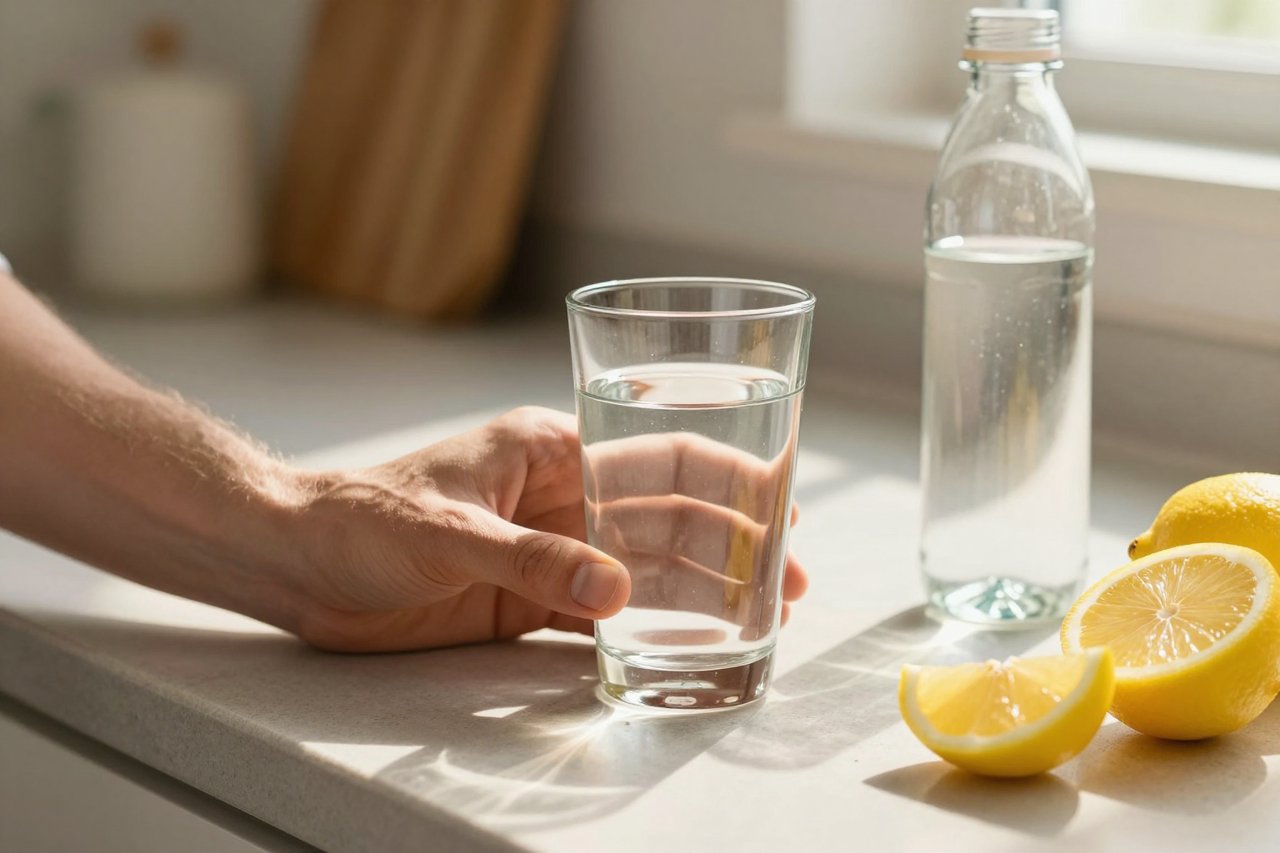
Low fluid intake is the most common driver of kidney stones, and it’s also the easiest to fix. Dilute urine keeps calcium, oxalate and uric acid moving through rather than letting them settle into crystals. When you’re dehydrated, those minerals crowd together.
A target urologists often use is about 2.5 litres of urine a day, which usually means drinking somewhere between 2.5 and 3 litres of fluid. A simple check: pale straw colour is fine, apple-juice colour means you’re behind.

The people who get caught out most often aren’t the ones who feel thirsty. They’re office workers who sip little through the day, night-shift staff, and anyone who deliberately skips fluids to avoid bathroom trips. Coffee and tea count toward your total, despite the old warning about caffeine.
2. Your Diet Is Salty, Meaty, or Very High in Oxalate
Food shapes stone risk in three separate ways, and it helps to treat them separately.
Sodium
High salt intake pushes calcium out of the kidneys and into urine, which is exactly the wrong direction. Most guidelines suggest staying under roughly 2,300 mg of sodium a day. Hidden sources matter more than the salt shaker: deli meat, canned soup, bread, bottled sauces and takeaway food.
Animal protein
Large servings of red meat, poultry and seafood raise uric acid and lower citrate, a natural stone inhibitor in urine. You don’t need to go vegetarian. Keeping portions to about a palm-sized serving and having two meat-free days a week is enough for most people.
Oxalate, and the calcium mistake
Spinach, rhubarb, beetroot, almonds, sesame and dark chocolate are all high in oxalate. Cutting them out entirely rarely helps. What does help is eating them alongside a calcium source, since calcium binds oxalate in the gut before it ever reaches the kidney. Over-restricting calcium is a genuine mistake and can push risk up rather than down.
- Drink water with meals, not only between them
- Add a squeeze of lemon to your glass; citrate slows crystal formation
- Pair spinach or almonds with yoghurt, milk or cheese
- Read labels for sodium, not just fat and sugar
3. There’s a Family History
Having a parent or sibling with stones roughly doubles your own risk. Part of that is genetic. Conditions such as hypercalciuria (too much calcium in the urine), cystinuria and abnormal uric acid handling run in families. Part of it is shared cooking and drinking habits, which get passed down just as reliably.
If you know stones run in your family, mention it at your next check-up rather than waiting for symptoms. A baseline blood panel and a urine test are inexpensive and tell you a lot. Many of the most common kidney diseases are far easier to manage when they’re spotted early.
4. You’re Carrying Extra Weight, or Losing It Very Fast
Obesity changes the chemistry of urine. Larger body mass is linked to lower urine pH, more uric acid and higher urinary calcium, and the result is a noticeably higher rate of stone formation. Losing weight helps over the long run, but the speed matters. Crash diets and bariatric surgery both raise risk in the short term because they cause rapid tissue breakdown and, often, dehydration.
If you’ve had gastric bypass or a sleeve gastrectomy, you’re in a higher-risk group and should be monitored. The same applies to anyone on a very low-calorie diet for more than a few weeks.
5. You Have a Condition or Take a Medication That Shifts Your Urine
Several medical problems raise stone risk as a side effect rather than a direct cause. The main ones:
- Recurrent urinary tract infections. Certain bacteria drive struvite stones, which can grow quickly and reach a large size. Repeated infections deserve investigation, not just another antibiotic course. Kidney infections are a related and more serious step up.
- Gout. High uric acid in the blood usually means high uric acid in urine.
- Overactive parathyroid glands. Excess parathyroid hormone pulls calcium from bone into blood, then into urine.
- Digestive conditions. Crohn’s disease, ulcerative colitis and chronic diarrhoea reduce fluid levels and increase oxalate absorption.
- Medications. Topiramate (used for migraines and seizures), some HIV drugs and high-dose vitamin C all raise risk in certain people.
None of this means stopping a prescription on your own. It means asking whether the dose is right, and whether your fluid intake matches what the drug demands.
6. You’re a Man in Your 30s to 50s
Men get stones about twice as often as women, and the peak years sit between roughly 30 and 50. Researchers don’t have a clean explanation. Diet, fluid habits and body composition all likely play a part alongside hormones.
The pattern is shifting, though. Stone rates are rising among women and younger adults, tracking closely with obesity and processed-food-heavy diets. In women, risk climbs again after menopause. Being outside the classic profile is not protection.
7. Your Climate or Job Keeps You Sweating
Stone cases spike in summer, and the so-called “stone belt” across the southeastern United States has long been recognised by urologists. Heat and humidity mean more fluid lost through skin and less through urine, leaving it concentrated.
Chefs, construction crews, farm workers, firefighters and endurance athletes all sit in the same bracket. If you sweat heavily for a living, plain water during the shift isn’t always enough. Replace electrolytes too, and check urine colour at the end of the day, not only first thing in the morning.
How to Tell Whether It’s a Stone or Something Else
Kidney stone pain has a signature. It usually starts in the flank or lower back, arrives in waves that build to a peak, and often travels downward toward the groin as the stone moves. Blood in the urine, nausea and a constant urge to urinate are common companions.
Fever or chills alongside that pain changes the picture and means urgent care, because an obstructed kidney with infection can become an emergency fast. If the pain is vague, central, or keeps shifting, it’s worth reading up on other causes of persistent abdominal pain before assuming a stone is the culprit.
What Actually Lowers Your Risk
If you’ve already had one stone, your recurrence risk without changes sits around 50% over five to ten years. The encouraging part is that targeted changes cut that number substantially, and they don’t require a joyless diet.
Ask for a stone analysis if you pass one, and a 24-hour urine collection if you’ve had more than one. Those two tests reveal which of the seven factors above is actually driving your problem, so you can skip the generic advice that doesn’t apply to you. The diet and prevention side of kidney stone treatment is far more specific than most people expect.
In practice, the highest-yield changes look like this: drink enough to produce 2.5 litres of urine daily, keep sodium under 2,300 mg, eat calcium normally instead of cutting it, moderate animal protein, and add citrate-rich foods such as lemons and melons. Repeat stone formers often need medication on top of that. A plain-English guide to kidney stone treatment is a sensible read before your appointment, particularly if you want to know which questions to ask about imaging, pain control and when surgery is genuinely necessary rather than merely offered.


