
Table of Contents
The first time I got acrylics, I walked into the salon with ten bitten stubs and walked out with glossy coffin-shaped talons that could tap the keyboard like a jazz drummer. I loved them for about a week. Then the lifting started, and I had to decide between a $50 fill or letting them go. Acrylic nails are one of the most popular enhancements in the world, but they’re also one of the most misunderstood. Here’s what I wish someone had told me before I sat down in that chair.
What Exactly Are Acrylic Nails?
Acrylic nails are made by mixing a liquid monomer with a powder polymer to create a small, dough-like bead. The bead is brushed onto the nail, sculpted to the desired shape, and then hardens as it dries—no UV lamp required. Unlike gel polish, which is cured under a light, acrylics harden via a chemical reaction between the monomer and polymer.
Acrylics can be applied directly over your natural nail for extra strength, or they can be combined with nail tips or forms to add length. The finish is hard, durable, and can be shaped into just about anything from classic squoval to dramatic stiletto.
The Process: From Prep To Polish
Knowing the steps before you go can make the experience feel less intimidating. The whole appointment usually takes 60–90 minutes for a full set. Here’s what your nail tech is doing while you scroll your phone.

- Prep: Your natural nails are cleaned, trimmed, and the cuticles are pushed back. A gentle file scuffs up the surface of the nail so the acrylic has something to grip.
- Primer and tips: A primer is painted on to prevent lifting. If you’re getting length, plastic tips or paper forms are placed on the nails.
- Sculpting: Your tech dips a brush into the monomer, then into the powder, and places the wet bead on your nail. They shape it quickly before it hardens, repeating until all ten nails are done.
- Shaping and buffing: Once the acrylic has set, it’s filed into the perfect shape and the edges are smoothed. The surface is buffed so polish can adhere evenly.
- Finishing: You can finish with regular polish, gel polish, or a clear top coat. Some places apply a nail oil to hydrate the cuticles.
That strong nail salon smell? That’s the monomer. It’s part of the experience, but it dissipates once the set is finished.
How Long Do Acrylics Last — And How To Make It Better
The average wear time for a full set is two to three weeks, but that depends on how quickly your nails grow and how hard you are on your hands. You’ll need a fill or a “rebalance” every 2–3 weeks to maintain the look. After about three months, most techs recommend a fresh full set to avoid trapping moisture between the layers.
Daily Maintenance That Actually Works
- Wear gloves for dishes and heavy cleaning.
- Push your cuticles back with oil, not metal tools.
- Never use your nails as tools—open a can or pick a bottle cap with a coin.
- Apply nail oil or hand cream every time you wash your hands.
If you’re trying to stretch the time between salon visits, paying attention to how you treat your hands matters. Sleeping on your nails, typing harshly, or using nail tips to pick at a receipt all cause wear. And if you’re looking for creative ways to make every dollar last, the term “recession nails” exists for a reason—there are clever strategies for extending the life of your manicure that go beyond just adding a top coat.
The Damage Debate: Why My Nails Felt Weird After Removal
Acrylics don’t damage nails on their own. Bits of the natural nail are removed during prep when your tech files the surface to create texture. That’s expected. The real damage happens when you pry, peel, or rip a set off. That can peel off the top layers of your natural nail, leaving it thin, ridged, and sore. Water trapped between the acrylic and natural nail can also lead to fungal or bacterial infections if a lift goes unnoticed.
If your nails feel soft or papery after a set comes off, you’re not stuck with them forever. There are actually evidence-backed nail strengthening treatments that can help rebuild brittle nails after months or years of enhancement. Look for ingredients like biotin, keratin, or hydrolyzed silk—your nail matrix will thank you.
Acrylics Vs. Gel Vs. Dip: Which Should You Choose?
Acrylics have a reputation for being the most durable, but they’re not the only option. Gel nails are more flexible and look more natural, but they’re not as strong for very long nails. Dip powder is quick and doesn’t need a lamp, but the resin can make some nails dry out.
Here’s a quick cheat sheet:
- Acrylic: The strongest of the three, best for significant length. Downside: strong odor and a learning curve for the technician.
- Gel: Less damage during removal, glossier finish, but it’s pricier and can’t hide nail damage as effectively.
- Dip: No curing light, fast, and layers of colored powder can look like thick gel. But the glue can get messy.
If you’re trying to decide between powder dip and gel, I’ve got a full breakdown of the key differences that covers wear-time, cost, and removal. But if your main goal is adding serious length and you’re willing to accept a bit more maintenance, acrylics are still the queen of strength.
What Does A Full Set Actually Cost?
Price depends on where you live, the salon’s status, and whether you choose a basic natural acrylic set or a nail-art masterpiece. In most mid-range US salons, a full set costs between $30 and $60. Fills run $25–$45, and removal is usually $10–$20 extra. At a high-end boutique nail bar in a city, you can expect to pay $75 or more for a full set before tip.
Don’t Forget the Long-Term Total
Between fills and tips, that initial $40 set can turn into a $500 monthly habit if you’re not careful. If you’re getting acrylics every single month, you’re looking at $600 to $1,200 a year. Some people budget for it; some people treat it as a treat. Just know going in.
The Best Acrylic Styles For Every Vibe
The beauty of acrylics is that they’re the perfect canvas for whatever trend you settle on. The shape alone can completely change your nail’s personality: almond for a classic, elongated look; coffin (or ballerina) for something bold; stiletto for dramatic; and a squoval if you want a shape that’s easy to maintain but still feels polished.
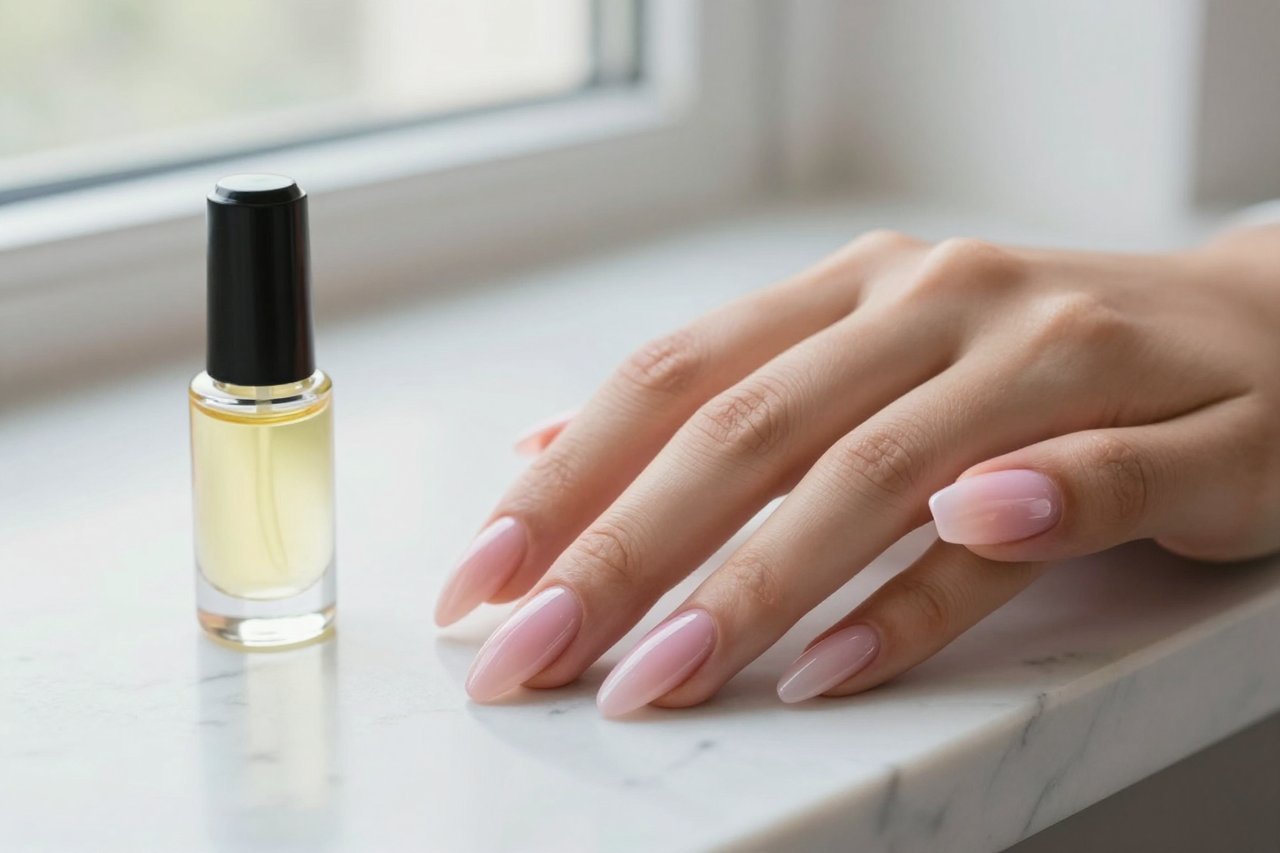
One of the sweetest current trends to ask for is the babydoll mani—a sheer, barely-there pink that works beautifully over acrylics and looks like your natural nails but better. It’s a subtle mismatch with the usual heavy glitter and rhinestones, and it makes an acrylic set feel surprisingly modern.
Can Anyone Get Acrylics? The Fine Print
Acrylics are safe for most people, but not everyone should run to the nearest salon. If you have a fungal or bacterial infection on your nails, avoid enhancements until it clears. People with existing sensitive or allergic skin may develop contact dermatitis from the monomer—if your cuticles get red, itchy, or weepy, that’s a red flag. Those with naturally brittle nails can still get acrylics, but you need to be extra diligent about moisturizing and avoiding nail damage because the enhancement will likely be harder than the nail underneath.
Also, if you’re an active person who plays sports, often forgets hand cream, or works with chemicals, acrylics are a tough lover. They’ll last, but only with regular upkeep. And if you’re a nail-biter? You might want to kick the habit first—biting down on acrylic can actually damage your teeth, not just your nail enhancement.


