
Table of Contents
Waking up with a line of itchy red welts is never a good start. If you’ve been bitten by bed bugs, you know the frustration: the relentless itching, the swollen spots, and the worry about whether you’ve brought an infestation home. The good news? Most bed bug bites heal on their own within a week or two. But you don’t have to suffer through the itching. Here’s a practical guide to bed bug bite treatments that bring real relief and help your skin recover faster.
First, Confirm It’s Bed Bugs
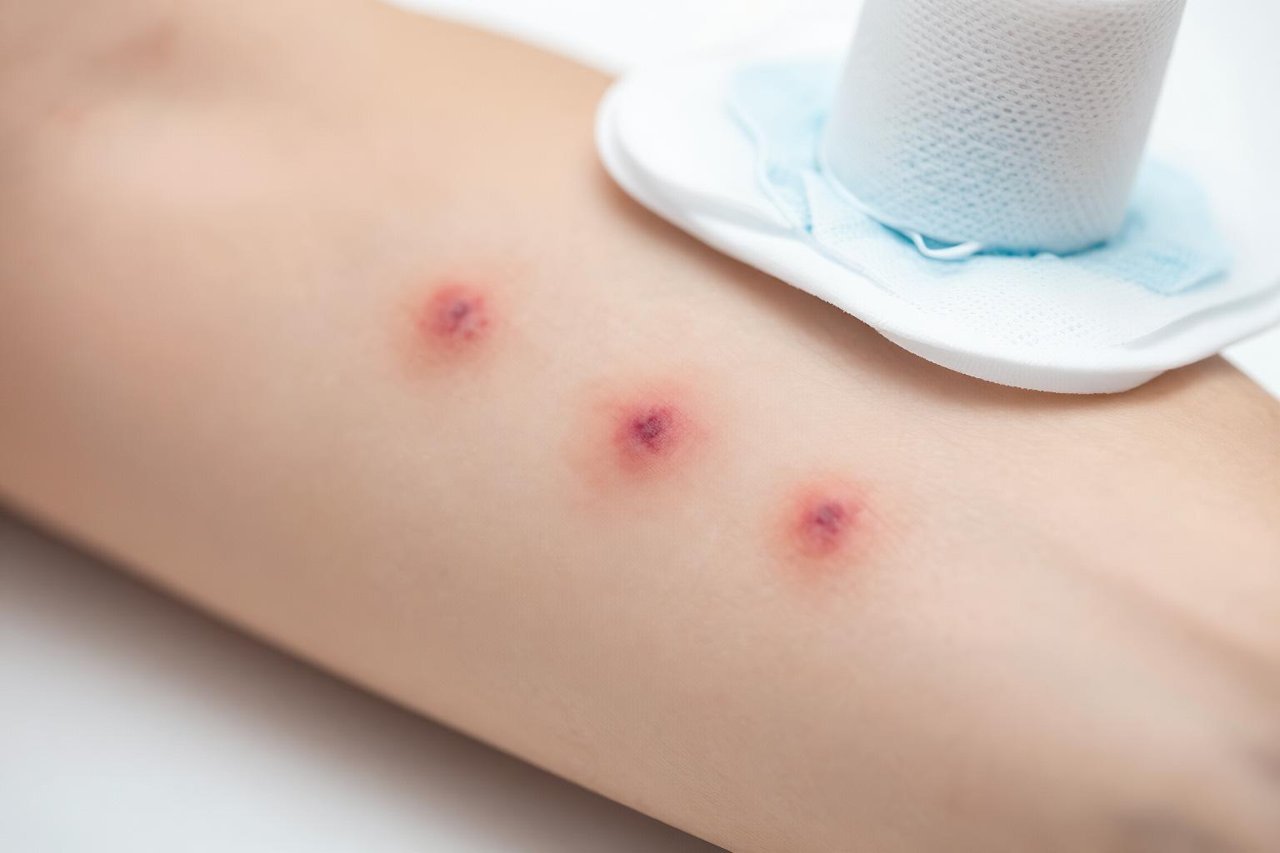
Before you start treating, it’s worth confirming the culprit. Bed bug bites often appear in clusters or a zigzag line—sometimes called “breakfast, lunch, and dinner” bites. They’re usually on exposed skin like arms, legs, neck, and face. Unlike flea bites, which tend to target ankles, bed bug bites can appear anywhere you’ve made contact with the mattress or furniture. The bites themselves are small, red, and often have a darker red spot in the center. Some people develop a raised, itchy welt, while others barely react. If you’re unsure, check your mattress seams, headboard, and baseboards for signs of live bugs, shed skins, or tiny rust-colored spots. For a deeper look at identifying and eliminating the source, check out our complete guide to getting rid of bed bugs for good.
Immediate Relief: What to Do Right After You Discover Bites
The moment you notice bites, resist the urge to scratch. Scratching breaks the skin and invites bacteria, turning a minor irritation into a potential infection. Instead, wash the area gently with mild soap and cool water. This removes any irritants and reduces the risk of infection. Pat dry—don’t rub. Then apply a cold compress (a clean cloth soaked in cold water or an ice pack wrapped in a towel) for 10–15 minutes. The cold numbs nerve endings and constricts blood vessels, which calms the itch and reduces swelling. Repeat this as needed throughout the day.
Over-the-Counter Bed Bug Bite Treatments
If home cooling isn’t enough, several affordable OTC products can tackle the itch and inflammation.

Antihistamine Creams and Oral Tablets
Hydrocortisone cream (0.5–1%) is a go-to for reducing redness and itching. Apply a thin layer to each bite up to three times a day. For more widespread itching, an oral antihistamine like diphenhydramine (Benadryl) or cetirizine (Zyrtec) can help. Note that diphenhydramine can cause drowsiness, so it’s best taken at night. Non-drowsy options work well during the day.
Calamine Lotion
This old-fashioned pink lotion is surprisingly effective. It has a cooling effect and helps dry out any oozing from bites. Shake the bottle well, dab a little on each bite with a cotton ball, and let it dry. It can be reapplied as needed.
Pain Relievers
If bites are painful or very swollen, an oral pain reliever like ibuprofen (Advil, Motrin) or acetaminophen (Tylenol) can reduce inflammation and discomfort. Always follow the label directions and don’t exceed the recommended dose.
Topical Analgesics
Products containing pramoxine, lidocaine, or benzocaine provide temporary numbing relief. They come as creams, sprays, or gels. Use sparingly and avoid broken skin.
Natural and Home Remedies for Bed Bug Bites
Many people prefer gentle, natural options—especially for children or sensitive skin. While these aren’t clinically proven for bed bug bites, they’ve been used for generations and can soothe mild symptoms.
Aloe Vera
Pure aloe vera gel from the leaf (or a high-quality gel without added dyes or fragrances) is cooling and anti-inflammatory. Keep a bottle in the fridge for an extra-soothing effect. Apply directly to bites and let it absorb.
Coconut Oil
Virgin coconut oil has lauric acid, which has mild antimicrobial properties. It also moisturizes dry, irritated skin. Rub a small amount onto each bite. For more surprising uses of this versatile oil, see our post on 101 reasons why coconut oil is miracle stuff.
Oatmeal Bath or Paste
Colloidal oatmeal is a classic itch remedy. You can buy it in powder form or make your own by grinding plain oats into a fine powder. Mix with water to form a paste and apply to bites, or add a cup of the powder to a lukewarm bath and soak for 15–20 minutes. Pat dry gently afterward.
Baking Soda Paste
Mix three parts baking soda with one part water to create a paste. Apply to bites and leave on for 10–15 minutes before rinsing. This can help neutralize the itch, though evidence is anecdotal.
Cool Tea Bags
Black or green tea contains tannins that have anti-inflammatory properties. Steep a tea bag, then chill it in the fridge for a few minutes. Place the damp bag directly on the bite for 5–10 minutes.
Avoiding Infection: Keeping Bites Clean
The biggest risk with bed bug bites isn’t the bite itself—it’s the infection that can follow scratching. Keep your fingernails short and clean. If you can’t stop scratching, cover the bites with a bandage or wear long sleeves and pants to bed. You can also apply an antibiotic ointment like bacitracin or Neosporin if a bite looks red, oozy, or tender. Watch for signs of infection: increasing redness, warmth, swelling, pus, or fever. If any of these occur, see a doctor promptly.
When to See a Doctor
For most people, bed bug bites are a nuisance that resolves on its own. But in some cases, medical attention is warranted:
- Allergic reaction: If you develop hives beyond the bite sites, difficulty breathing, swelling of the lips or tongue, or dizziness, seek emergency care. This is rare but serious.
- Severe itching: If OTC treatments don’t help and you’re losing sleep, a doctor can prescribe stronger antihistamines or corticosteroid creams.
- Infection: As mentioned, signs of infection need antibiotic treatment.
- Multiple bites: Some people develop a rash or systemic reaction that may require oral steroids.
Preventing Future Bites While Treating the Infestation
Treating bites is only half the battle—you also need to stop new bites from happening. While you work on eliminating bed bugs, take these steps to protect yourself:
- Encase your mattress and box spring in zippered, bed-bug-proof covers.
- Move your bed away from the wall and place interceptors under the legs.
- Wash all bedding, clothing, and linens in hot water (at least 120°F) and dry on high heat.
- Vacuum thoroughly and dispose of the vacuum bag in a sealed plastic bag outside.
- Declutter the room to reduce hiding spots.
For a step-by-step plan on eradicating an infestation, our bed bug treatment guide covers everything from chemical treatments to heat methods.
Can Bed Bug Bites Transmit Disease?
One common worry is whether bed bugs carry diseases. The good news: while bed bugs are a public health pest, scientific studies have not shown that they transmit infectious diseases to humans. Their main impact is on quality of life—sleep disruption, anxiety, and skin irritation. That doesn’t mean you should ignore an infestation, but it does mean that the primary health concern is the itching and potential infection from scratching.
Treating Bites on Children and Sensitive Skin
Children often react more strongly to bed bug bites, with larger welts and more intense itching. For kids under two, avoid hydrocortisone unless a pediatrician advises it. Stick to cool compresses, calamine lotion, and oral antihistamines approved for their age and weight. Keep their nails trimmed and consider having them wear cotton gloves at night. For anyone with sensitive skin or eczema, choose fragrance-free products and patch test any new cream on a small area first.
Bed bug bites can be maddening, but with the right treatments you can ease the discomfort and help your skin heal. Focus on stopping the itch, preventing infection, and—most importantly—eliminating the bugs themselves. Once the infestation is gone, the bites will fade, and you’ll finally get a good night’s sleep.


