
Table of Contents
Twenty-nine dollars a day. That was the running total for a friend of mine during a month in Da Nang last spring: a private room with air conditioning, three proper meals, a rented scooter and enough left over for an afternoon at the beach. The same money in Zurich covers a coffee and a pretzel.
That gap is what budget travel is really about. It has less to do with how disciplined you are with a spreadsheet and more to do with where you point your passport. A careful spender in Copenhagen will burn through more in five days than a careless one in Hanoi spends in three weeks. So the useful question isn’t “how do I travel cheaply?” It’s “where does my money still go a long way?”
These are the places where it does, with actual numbers instead of vague promises.
What a “budget” day actually costs
Definitions matter, because cheap means wildly different things to different people. The figures below assume a mid-range backpacker or a frugal couple: a private room or a good hostel, meals at local restaurants rather than hotel dining, public transport or a scooter, and one paid activity every couple of days.

- Vietnam, Cambodia, Laos: $30 to $50 per day
- Georgia, Armenia, Albania: $40 to $60
- Guatemala, Nicaragua, Bolivia: $40 to $65
- Poland, Bulgaria, Portugal outside Lisbon: $60 to $90
- Morocco, Tunisia, Jordan: $50 to $80
Western Europe and the United States sit at $150 to $250 for that same standard of travel, which is why the flight is often the only thing that separates a cheap trip from an expensive one. If you’re planning a first long journey, start with this breakdown of the cheapest countries to travel with real budgets and insider tips for 2026, then treat the places below as the next layer out.
Southeast Asia is still the safest bet
No region stretches a dollar further with less effort. The tourism infrastructure is built for independent travellers, English is widely spoken in the places you’ll actually go, and street food is often better than restaurant food while costing a third of the price.
Vietnam
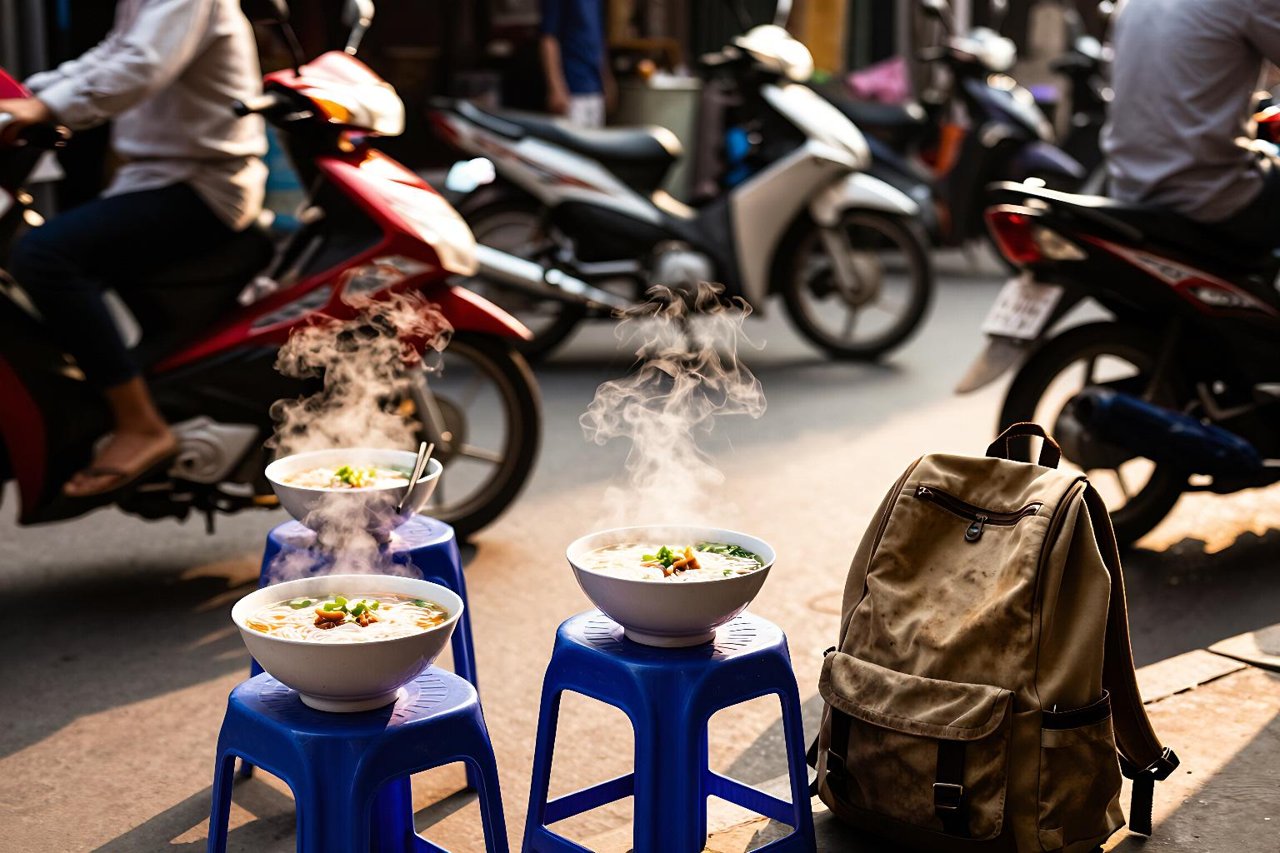
A bowl of pho in Hanoi runs 40,000 to 70,000 dong, which is roughly $1.50 to $3. Guesthouses in Da Nang or Ninh Binh go for $12 to $20 a night. Overnight sleeper buses between cities cost $15 to $25 and save you a night of accommodation at the same time. The one place budgets quietly fall apart is Ha Long Bay, where the cheapest tours are cheap for a reason. Pay for a mid-range operator or skip it for Cat Ba Island instead.
Thailand beyond Bangkok
Bangkok gets the attention, but Chiang Mai and the northern towns are where the value sits. A month in a Chiang Mai studio apartment can cost $250 to $350. Meals from a market stall: about $1.50. A day of temple-hopping by rented bicycle: $3, plus whatever you spend on iced coffee.
Cambodia
Kampot and Kep on the southern coast are quieter and cheaper than Siem Reap, with guesthouses under $15 and seafood at a fraction of Thai prices. Angkor Wat is the exception to everything. The day pass is $37 and it’s worth every cent, so budget for it rather than trying to dodge it.
Eastern Europe and the Balkans
If you want Europe without European prices, look east and south. You give up almost nothing in scenery, food or safety, and you gain the pleasure of paying $2 for an espresso in a city square that looks like a film set.
Albania
The Riviera around Himarë and Ksamil has beaches that hold their own against Greece, with rooms at $30 a night and a full seafood lunch for $10. Buses are cheap and the country is small enough to cross in a day. It’s also one of the more forgiving destinations for a first solo trip, and our guide to the best countries for first-time travellers explains why places like this work so well when you’re still finding your feet.
Bulgaria and Poland
Sofia and Plovdiv deliver hostel beds for $15, a proper dinner with wine for $12 and bus tickets across the country for less than a London pint. Poland is slightly pricier but still remarkable value outside Kraków’s old town, especially in Wrocław, Łódź and Gdańsk.
Latin America, where the exchange rate does the work
Guatemala
Antigua and Lake Atitlán anchor most itineraries, and both are cheap to exist in. Spanish schools charge $150 to $200 a week including a homestay with a local family, which is hard to beat anywhere. Chicken buses between towns cost a dollar or two. The Acatenango volcano hike runs $40 to $60 with a guided overnight camp, and it’s the single best thing most visitors do.
Mexico outside the resorts
Oaxaca and San Cristóbal de las Casas are where your money goes furthest. Market tlayudas cost $3, a pour of good mezcal is $2, and a clean hostel dorm is $12. Skip Cancún entirely unless you’ve already paid for the flight.
Colombia
Medellín and the coffee region around Salento offer hostels at $10 to $15 and the menu del día, a set lunch of soup, rice, meat and juice, for $3 to $4. Internal flights booked a few weeks out regularly come in under $50.
The Caucasus and North Africa
Georgia
Tbilisi and Kazbegi are the best-value destinations in Europe by some distance. Guesthouses run $20 to $25, khinkali dumplings are about 60 cents each, and a litre of house wine from a roadside stand costs less than a bottle of water back home. Marshrutka minibuses connect most towns for a few dollars.
Morocco and Tunisia
A riad room in Fes goes for $30 to $40, a tagine for $4, and trains between cities for the price of a sandwich. Tunisia is cheaper again and gets a fraction of the visitors, with the added bonus of Mediterranean beaches.
Eating well is where budgets are won or lost
Accommodation is fairly predictable. Food is where a trip quietly doubles in cost. The pattern that works everywhere is simple: eat where locals eat, at the hours locals eat. Lunch menus and market stalls beat restaurants almost every time, and you’ll eat better food for less money.
Breakfast at your accommodation, a street-food lunch, one sit-down dinner. That rhythm will keep you under $15 a day in most of the countries above. For inspiration on finding the good stuff rather than the tourist-trap version of it, this guide to the best places to eat, from street food to fine dining, is worth reading before you go.
Getting there is usually the biggest line item
Flights will often cost more than two weeks on the ground. A few habits make a real difference:
- Travel shoulder season. Late April in Vietnam or October in Morocco means the same weather, fewer people and fares 30 to 40 percent lower.
- Fly into a hub, out of a neighbour. Open-jaw tickets into Bangkok and out of Hanoi rarely cost more than a return, and they save you backtracking.
- Pack for carry-on only. It removes baggage fees and makes cheap regional airlines genuinely cheap.
- Book accommodation direct. Guesthouses in smaller towns will often knock 10 percent off for a direct booking or a stay of a week or more.
The planning side is where most savings actually happen, and this set of practical travel tips worth sorting before you fly covers the admin that trips people up, from visas and travel insurance to the documents you’ll want on your phone.
If you’re staying closer to home
Not every budget trip needs a long-haul flight. Some US cities are far cheaper than their neighbours suggest. Long Beach is a good example: free beaches, a walkable downtown, cheap taco counters and a bike path that covers most of the waterfront for the price of a rental. It’s a weekend that costs a fraction of a Los Angeles one, and these local tips for things to do in Long Beach will keep you busy without spending much.
Stay longer, move less
The single biggest money-saver isn’t a destination at all. It’s slowing down. Every bus, train and internal flight costs money and eats a day you could have spent somewhere better. Three weeks in one town is almost always cheaper than one week in each of three towns, because weekly and monthly rates undercut nightly ones, and you stop paying the new-arrival tax on meals and transport.
Pick two or three of the places above. Book a room for the first few nights, leave the rest open, and let your daily spend be the thing that decides how long you stay. In Georgia or Vietnam, the honest answer is usually longer than you planned.


