
Table of Contents
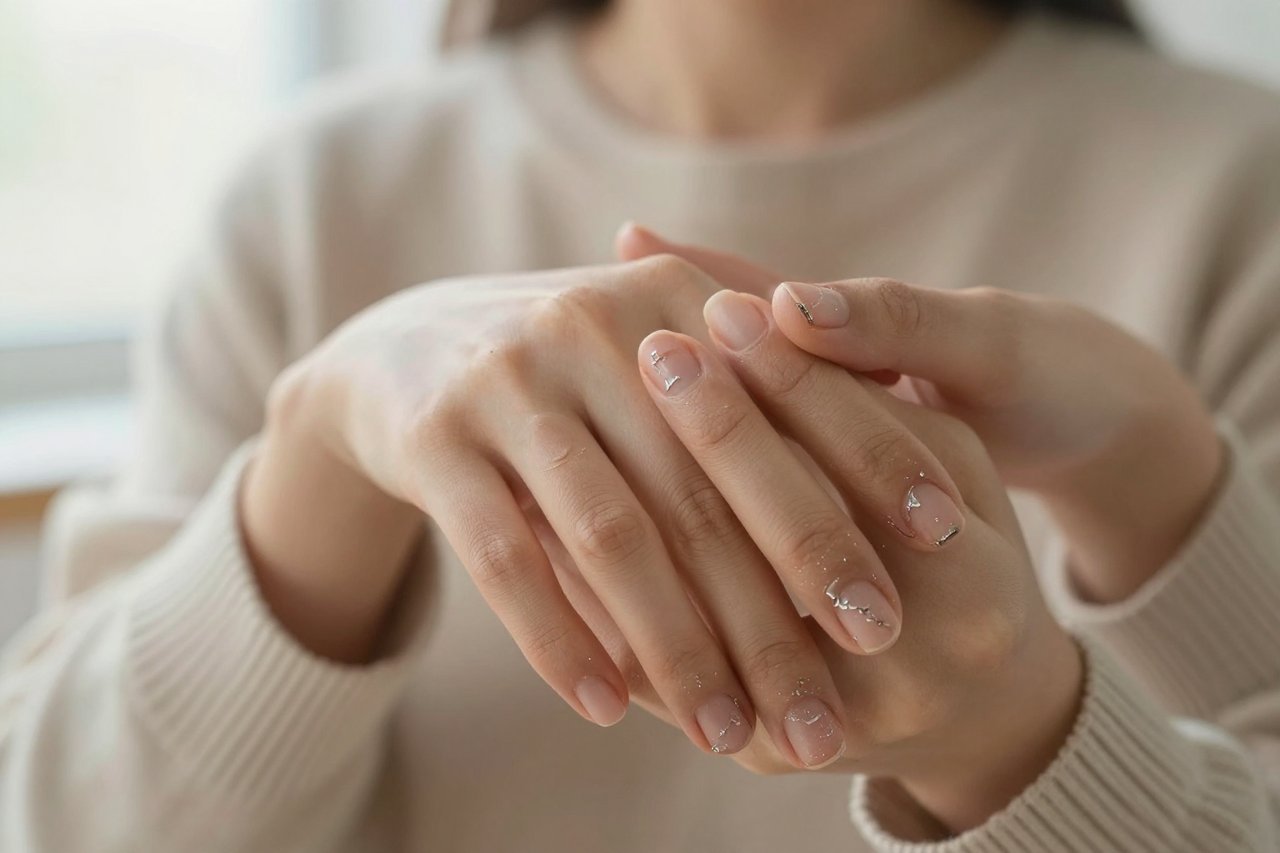
There’s a specific frustration in watching a nail peel halfway down the bed for the third time in a week. It’s not just cosmetic—brittle nails catch on fabric, nick your skin, and make typing a small act of caution. If you’ve reached for a bottle of “hardener” at the pharmacy and found that it made things worse, you’re not alone. The truth is, a brittle nails treatment starts with understanding what your nail actually needs—not just layering on polish.
In this guide, I’ll walk you through the evidence-backed ways to strengthen brittle nails, the daily habits that quietly ruin them, and when it’s time to see a professional. No magic potions, just what works.
Why Are My Nails So Brittle? It’s Not Always What You Think
Brittle nails are typically divided into two types: dry and brittle (they split and crack) or soft and brittle (they peel, flake, and bend easily). Many people have a mix of both. The causes are surprisingly everyday:
- Frequent handwashing and alcohol-based sanitizers strip the natural oils that keep nail keratin flexible.
- Water exposure from dishwashing, swimming, or long baths makes nails absorb water, then dry out and contract, creating stress points.
- Acetone-based polish removers are notorious for dehydrating the nail plate and cuticle.
- Over-buffing or filing too aggressively with a metal file can thin the nail and cause micro-tears.
- Low iron, zinc, biotin, or protein can impair keratin production.
- Underlying health issues like thyroid disorders, psoriasis, or anemia often show up in the nails.
Sometimes it’s just genetics. But even then, you can improve things with the right routine.

Proven Brittle Nails Treatment Options (The Ones That Matter)
After combing through dermatology resources and testing what feels like every oil on the market, these are the strategies that consistently deliver results.
1. Apply oil like it’s your job
Jojoba oil is the closest to the natural sebum your body produces, which means it actually binds to the nail plate instead of sitting on top. You don’t need a fancy nail oil pen—pure jojoba, or even squalane, works just as well. Massage a few drops into your cuticles and the underside of the nail tip every night. In two to three weeks, you’ll notice less peeling and a more flexible nail plate. Creams with 5–10% urea also help if your nails are really dry, since they pull moisture in without leaving a greasy film.
2. Rethink your polish remover
If you’re still using acetone-based removers more than once every two weeks, switch to an acetone-free formula. It takes a little longer to remove polish, but your nails will thank you. And avoid rubbing the remover back and forth; use a gentle, circular motion to minimize friction and stress.
3. Choose the right nail treatment products
Look for nail strengtheners that contain biotin, pro-vitamin B5, hyaluronic acid, or hydrolyzed keratin. These ingredients nurture flexibility, which is what brittle nails actually need. Avoid anything with formaldehyde—it creates rigidity, causing the nail to snap rather than bend. Think of a cutting board: it needs to give slightly, not feel like a ceramic tile.
4. Consider the biotin route
Biotin (vitamin B7) is the most studied supplement for brittle nails. The typical research dose is 2.5 mg (2,500 mcg) per day. It’s not instant—you’ll need to wait three to six months for the new nail to grow out fully. Iron is also worth investigating if your nails are thinning and you feel tired; ask your doctor for a ferritin test to check your iron stores.
5. Wear gloves, even for short tasks
Rubber gloves aren’t just for dishwashing. Wear them when cleaning, gardening, or handling wet fabrics. Even ten minutes of soaking in soapy water can temporarily swell the nail and weaken the bonds between keratin layers. A pair of $3 dish gloves is the cheapest brittle nails treatment you’ll buy this year.
6. The overnight soak trick
Before bed, coat your nails with a thin layer of Vaseline or a rich hand cream, then slip on cotton gloves and sleep. This creates a moisturized, protected environment that dramatically reduces splitting and flaking. It feels a little indulgent, but the softened cuticles and increased flexibility are worth it.
Your Simple Nail-Strengthening Routine (Night and Day)
You don’t need a 12-step system. The best brittle nails treatment is the one you’ll actually repeat. Here’s a simple schedule:
Morning: After washing your face, apply hand cream and gently push back any lifted cuticles. Wait ten minutes, then rub a single drop of jojoba oil into each nail and cuticle. If you’re heading outside, let the oil absorb before applying hand sunscreen—yes, nails can yellow from sun exposure too.
Evening: After your dinner cleanup, use a non-acetone remover to wipe off old polish if you’ve worn it for more than three days. Then massage a nail oil or a balm with lanolin into each cuticle and the underside of the tip. Twice a week, before bed, apply a thicker layer of treatment and wear cotton gloves overnight.
If you’re the type who needs a step-by-step breakdown of the basics, our complete nail care routine walks you through the right way to file, shape, and care for your cuticles without damaging the nail bed.
Diet and Supplements: Building Nails From the Inside Out
Your nails grow from a matrix under the cuticle, and they need nutrients to churn out keratin. All the oils in the world won’t fix a deficiency.
Protein first. Keratin is a protein, so if your diet is low in protein—especially if you’re vegetarian or often skip meals—your nails will suffer. Add eggs, Greek yogurt, chicken breast, or lentils to your plate.
Iron and zinc. Iron deficiency is common, particularly in women of childbearing age, and brittle or spoon-shaped nails are often an early sign. A simple blood test can reveal it. Zinc helps with cell division and keratin structure; oysters, pumpkin seeds, and beef are excellent sources.
Biotin. A daily 2.5 mg supplement is safe and effective for many people, but more isn’t better. Skip the expensive “beauty” blends and buy a single-ingredient biotin supplement instead. For a deeper look at what topical treatments and other supplements are worth your money, the nail strengthening treatment guide separates the evidence from the hype.
And if your nails are both brittle and growing painfully slowly, the fixes overlap. Our honest guide to what actually makes nails grow faster covers the science and the common pitfalls.
When Brittle Nails Are a Symptom of Something Else
Sometimes brittle nails are a red flag for another condition. If your nails are also yellowing, thickening, or becoming crumbly at the tip, you might be dealing with a fungal infection, not simple dryness. That’s a different world: most over-the-counter antifungal polishes fail in about 90% of cases, so you need to be methodical. Our breakdown of what actually works for nail fungus explains why prescription treatments are often the only reliable route.
Thyroid disorders, anemia, and even low vitamin D can also show up as brittle, ridged nails. If you’ve tried all the basics for three months and see no improvement—or if you’re also dealing with fatigue, hair loss, or unusual skin patches—see your doctor for a simple blood panel. It’s the smartest way to rule out underlying causes.
The Truth About Manicures, Extensions, and the Dreaded Removal
If you wear UV gel or acrylics, the removal process is where most of the damage happens. Over-scraping, prying, and soaking in pure acetone for 20 minutes can traumatize the nail plate, leaving it weak and brittle once the extensions come off. Give your nails a break of four to six weeks between extension cycles, and tell your nail technician not to file the top of the nail plate—that thins it unnecessarily.
If you’re weighing whether acrylics are worth the cost and upkeep, our acrylic nails article covers the financial and maintenance reality, including how to remove them without wrecking your natural nails. Meanwhile, a good compromise is to ask for a builder gel overlay under regular polish—it adds strength while still letting your nails breathe. Just be sure to schedule a polish-free week every couple of months so your nails can rehydrate and recover.


