
Table of Contents
Nearly every famous parent has heard the same question: ‘Are your kids going to follow in your footsteps?’ For celebrity children, that question never really goes away. They grow up with cameras at the school gates, headlines written about their outfits, and careers that are often judged before they even begin.
Take Kaia Gerber, who walked her first runway at 16. Or Blue Ivy Carter, who became the youngest winner of a BET Award at nine. These aren’t just kids of famous people. They’re cultural figures in their own right, whether they want to be or not.
The fascination with celebrity children isn’t new. In the 1990s, the world watched as the children of Hollywood stars tried to make their own mark. But the internet has accelerated everything. Today, a celebrity child can be a global star before they turn ten.
The Nepo Baby Debate: Is It a Shortcut or a Spotlight?
Over the past few years, the term ‘nepo baby’ has injected itself into the conversation about celebrity children. It’s a shorthand for the children of famous parents who land roles, deals, and opportunities that others might spend decades chasing. But the label often ignores the pressure and scrutiny that come with the privilege.

Lily-Rose Depp, daughter of Johnny Depp and Vanessa Paradis, has tried to shut down the idea that nepotism gives her an easy ride. In an interview, she said a famous last name might get you in the room, but it doesn’t keep you there. Maya Hawke, daughter of Uma Thurman and Ethan Hawke, has described the frustration of having her talent constantly questioned.
The debate is more nuanced than it often appears. Yes, celebrity children have advantages. They grow up knowing the industry from the inside. They have access to the best agents, coaches, and connections. But they also face an audience that expects them to fail, a double standard that applies to almost no other profession.
How the Conversation Changed
For years, these kids were simply called ‘legacy actors’ or ‘second-generation stars.’ The term ‘nepo baby’ changed the tone. It turned the spotlight on structural privilege and forced the entertainment industry to ask uncomfortable questions about fairness and merit. It also made celebrity children more defensive, more aware of their position, and sometimes more strategic about how they build their public image.
The industry has noticed. Casting directors now talk openly about whether a famous name helps or hurts a project. Some studios actively look for untested talent to avoid the backlash, while others believe family chemistry is a bonus. What’s clear is that the conversation has moved beyond simple gossip.
In the midst of this debate, it’s worth remembering that the label ‘nepo baby’ can be reductive. It lumps together people who have been working for decades with those who simply have famous parents. It also ignores the fact that some celebrity children choose to work entirely outside the family industry. Charlie Sheen and Emilio Estevez may have turned to acting, but they still faced constant comparisons to their own father, Martin Sheen. That complexity often gets lost in a two-word hashtag.
From Cradle to Camera: Childhood in the Public Eye
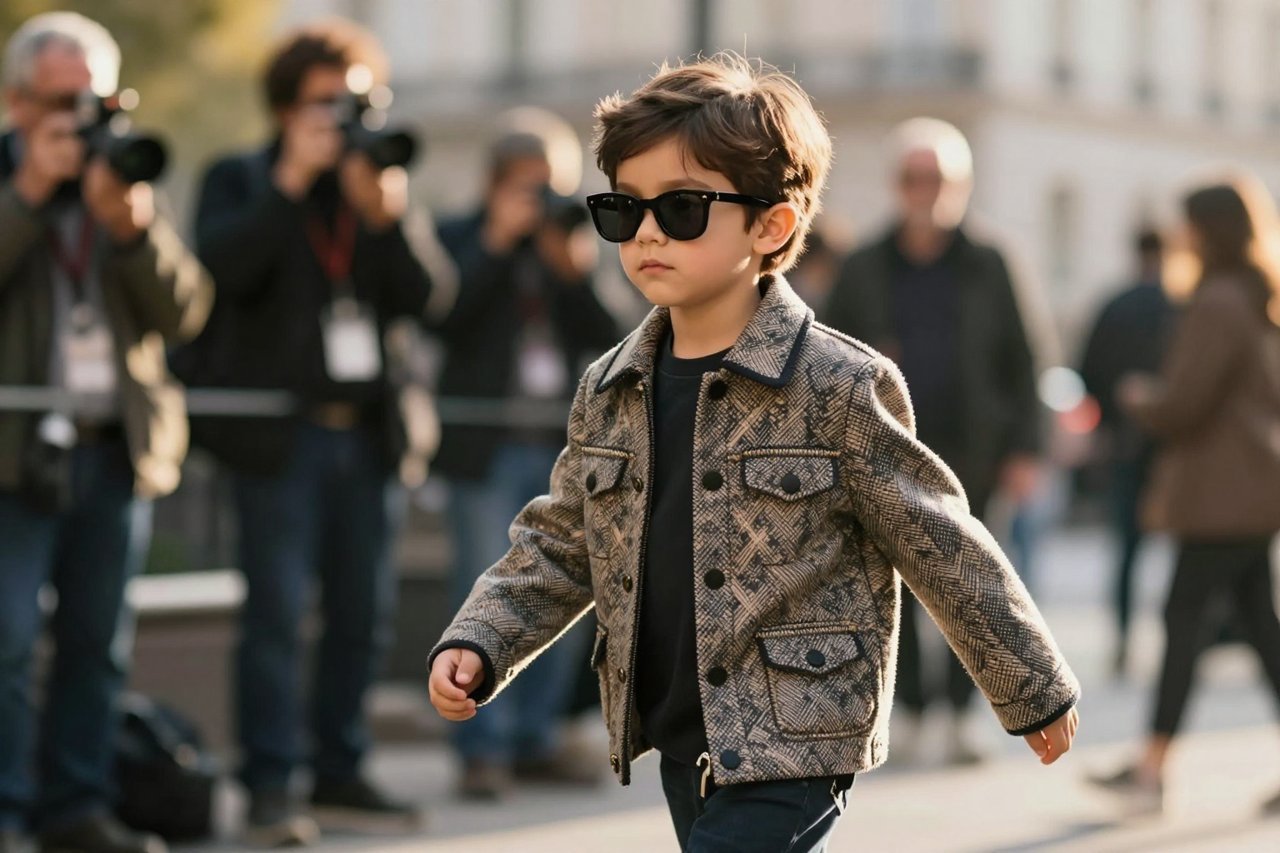
Celebrity children often lose the ordinary freedoms of childhood. Paparazzi camp outside their schools, and a single photo can become a tabloid feature. Some parents take legal action to protect their kids’ privacy. Kristen Bell and Dax Shepard have spoken publicly about keeping their daughters out of the spotlight, while others have lobbied for stricter laws around paparazzi photography of minors.
The internet has made this scrutiny feel even more intimate. A child’s first day at school might be documented by a parent’s Instagram post, and that picture becomes permanent. There’s no erasing it. So many celebrity parents try to set boundaries early, but it’s an uphill battle.
The scrutiny doesn’t stop at the family’s front door. It follows them onto school runs, birthday parties, and vacations. Even a child’s haircut can become a national news story. That level of attention can shape a person’s sense of identity before they’ve had a chance to figure out who they are.
For mothers and fathers in the public eye, the role of a modern celebrity wife often includes managing a family’s image. The pressure on these women is enormous, and their children’s careers can become an extension of their own public narrative. As the modern celebrity wife knows, every move the family makes is amplified, and the children are never invisible.
When Fame Runs in the Family: The Pressure to Succeed
The expectation to match a parent’s success can be paralyzing. In the entertainment world, comparisons start early. Rumer Willis, daughter of Bruce Willis and Demi Moore, has been candid about trying to find her own path without being swallowed by the shadow of her parents’ careers. She has appeared in film and theater, but she’s also done reality TV and other projects that don’t fit the traditional mold.
It doesn’t help that the media loves a fall-from-grace story. A young person trying to enter the family business is often told they only got the role because of who their parents are. That kind of narrative can be exhausting.
For those with a famous father, the dynamic can be even more charged. The celebrity husband often stands in the background, shaping the household and the children’s understanding of work and ambition. That influence runs deep. The real life of a celebrity husband is filled with sacrifice and scrutiny, and that life inevitably shapes how kids see success.
The Ones Who Stepped Out on Their Own Terms
Some celebrity children have managed to carve out identities that feel genuinely their own. Kaia Gerber didn’t just inherit her mother’s looks. She built a modeling career with her own campaigns, magazine covers, and a reputation for professionalism that has nothing to do with her last name. She has said her mother, Cindy Crawford, gave her advice but never pushed her. That supportive distance helped Kaia make her own decisions.
Cindy Crawford built a beauty empire on her own terms, and she seems to have passed that independence to her daughter. The two often appear together, but Kaia is rarely reduced to being ‘Cindy’s daughter’ anymore.
Another example is Zendaya, who isn’t a celebrity child in the traditional sense, but she started her career as a Disney kid and faced the same kind of pigeonholing and skepticism. She has talked about how she works with a tight team and makes deliberate choices, from her acting roles to her fashion partnerships. For a closer look at her journey, here are a few things you might not know about Zendaya.
Other celebrity children are finding more subtle ways to separate themselves from their surnames. Jack Quaid, a star of The Boys, has said he auditioned under his first name to avoid the shadow of his father, Dennis Quaid. Apple Martin, Gwyneth Paltrow’s daughter, keeps a sparse social media presence and rarely talks to press. These choices show that the next generation is more willing to set boundaries than their parents ever were.
Creative Ways Celebrity Children Control Their Narrative
Privacy isn’t easy to maintain when you’re a famous offspring, but many have found clever ways to own their story. Here are some of the strategies they use:
- Keeping social media curated and vague, sharing only what they want the world to see.
- Avoiding red carpets and public events altogether until they feel ready.
- Using their platform to advocate for causes they care about, steering attention toward something meaningful.
- Working with trusted photographers and giving exclusive access to chosen outlets, rather than letting paparazzi set the narrative.
- Embracing a ‘working actor’ mentality, treating fame as a byproduct of the craft rather than the goal.
What Really Happens When the Cameras Stop
Behind the headlines, celebrity children are still navigating typical milestones: first jobs, relationships, failures. The difference is that every stumble is amplified. Many of them choose therapy, mentorship, and close-knit circles to stay grounded. And while the advantages are real, so is the pressure.
Shaping the Next Era of Hollywood
The new generation of celebrity children is rewriting the rules. They’re less interested in repeating their parents’ paths than in redefining what fame looks like. They demand boundaries, speak openly about mental health, and choose projects that reflect their values. Whether that’s a good thing or not depends on where you stand, but it’s undeniably changing the entertainment industry.


