
Table of Contents
The DASH diet has been ranked as one of the best overall diets for years by health experts. But what makes it so effective? Unlike trendy eating plans that rely on elimination, the DASH diet (Dietary Approaches to Stop Hypertension) is built on solid science and real food. It was originally designed to lower blood pressure without medication, but its benefits extend far beyond that.
What Exactly is the DASH Diet?
Developed by the National Institutes of Health, the DASH diet emphasizes foods rich in potassium, calcium, magnesium, and fiber—nutrients that help regulate blood pressure. At the same time, it limits sodium, saturated fat, cholesterol, and added sugars. The eating plan is flexible and balanced, focusing on whole foods rather than strict calorie counting.
Unlike some restrictive diets, the DASH approach encourages eating a variety of nutrient-dense foods. You’ll fill your plate with vegetables, fruits, whole grains, lean proteins, low-fat dairy, and healthy fats. It’s not a quick fix but a sustainable lifestyle change that can reduce your risk of heart disease, diabetes, and certain cancers.
How the DASH Diet Lowers Blood Pressure
The magic of the DASH diet lies in its nutrient profile. High sodium intake raises blood pressure for many people. The DASH diet naturally lowers sodium while increasing intake of electrolytes that counteract sodium’s effects. Potassium from fruits and vegetables helps relax blood vessel walls, calcium supports vascular function, and magnesium improves insulin sensitivity.

A key target is reducing sodium to 2,300 mg per day—about one teaspoon of salt. For even greater benefit, the lower sodium version goes to 1,500 mg. This isn’t about bland food; it’s about using herbs, spices, and citrus to flavor meals. By focusing on whole foods, you automatically cut out the processed items that hide massive amounts of sodium.
DASH Diet Food Groups and Serving Recommendations
The DASH diet provides daily and weekly serving targets based on a 2,000-calorie diet. Your needs may vary, but these numbers give a solid framework.
Grains (6–8 servings per day)
Choose whole grains like oats, brown rice, quinoa, and whole-wheat bread. A serving is one slice of bread, half a cup of cooked rice or pasta. Whole grains provide fiber and slow-release energy.
Vegetables (4–5 servings per day)
Eat a rainbow of vegetables—leafy greens, broccoli, carrots, bell peppers, tomatoes. One serving equals one cup of raw leafy greens or half a cup of cooked veggies. They’re packed with potassium, magnesium, and fiber.
Fruits (4–5 servings per day)
Focus on whole fruits rather than juice to get the full fiber. Berries, apples, oranges, bananas, and melons are great choices. One medium fruit or half a cup of chopped fruit counts as a serving. If you’re watching calories, remember that some high calorie fruits like avocados and dried fruits are still healthy but should be eaten in moderation.
Dairy (2–3 servings per day)
Low-fat or fat-free dairy supplies calcium and vitamin D. A serving is one cup of milk or yogurt, or 1.5 ounces of cheese. Lactose intolerant? Try lactose-free options or fortified soy milk.
Lean Protein (6 or fewer servings per day)
Fish, poultry, beans, lentils, and tofu are excellent. Red meat is limited to occasional servings. One serving is one ounce of cooked meat, poultry, or fish, one egg, or a quarter cup of beans.
Nuts, Seeds, and Legumes (4–5 servings per week)
Almonds, walnuts, sunflower seeds, chickpeas—these provide healthy fats, protein, and magnesium. A serving is a third of a cup of nuts or two tablespoons of seeds.
Fats and Oils (2–3 servings per day)
Use vegetable oils like olive or canola oil, soft margarine, and mayonnaise (low-fat). Avoid trans fats and limit saturated fat. One serving is one teaspoon of oil or two tablespoons of salad dressing.
Sweets and Added Sugars (5 or fewer per week)
Limit sugar-sweetened drinks, desserts, and candy. One serving is one tablespoon of sugar, jam, or jelly, or half a cup of sorbet.
Sample DASH Diet Meal Plan for One Day
- Breakfast: Oatmeal with sliced banana and a cup of low-fat milk. A side of whole-wheat toast with almond butter. For a protein boost, check out why you need to begin your day with a high protein breakfast.
- Lunch: Grilled chicken salad with mixed greens, tomatoes, cucumbers, chickpeas, and a vinaigrette. A whole-grain roll on the side.
- Snack: Apple slices with a handful of almonds.
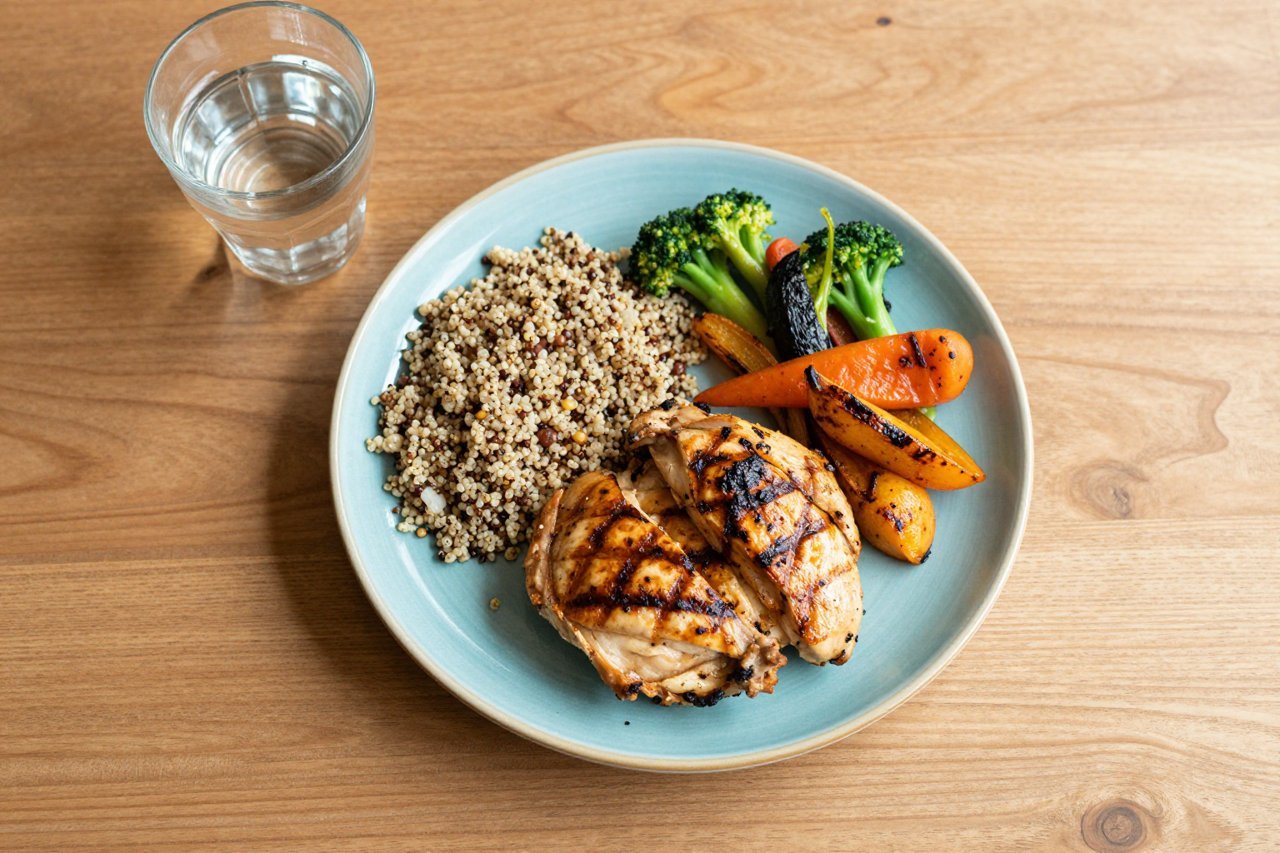
- Dinner: Baked salmon with quinoa and roasted broccoli, seasoned with lemon and dill. A glass of low-fat milk.
- Dessert: Sliced strawberries topped with a dollop of low-fat yogurt.
Stay hydrated with water or unsweetened beverages. A cup of homemade healthy hot chocolate (made with low-fat milk and minimal sugar) can fit into your daily plan without derailing your progress.
Tips for Getting Started on the DASH Diet
Transitioning to any eating plan can feel overwhelming. Start small. Replace one refined grain with a whole grain each day. Add an extra serving of vegetables to lunch and dinner. Gradually reduce sodium by cooking at home more and checking labels. When eating out, ask for sauces on the side.
Plan your meals ahead. A structured approach, like an essential pre-wedding diet plan, can offer a template for balanced eating. Even if you’re not preparing for a wedding, the concepts of portion control and nutrient density apply.
Don’t forget physical activity. Pairing the DASH diet with regular exercise amplifies its cardiovascular benefits. Weight training, in particular, can improve body composition and metabolic health. Read about how lifting weights after 40 changed my relationship with food and my body for inspiration.
The DASH Diet and Weight Loss
While the DASH diet wasn’t designed for weight loss, many people shed pounds because they’re eating more fiber and protein while cutting empty calories. The emphasis on whole foods naturally reduces calorie density. For weight loss, you can create a modest calorie deficit by reducing portion sizes slightly and avoiding high-calorie extras like oils and nuts in large amounts.
The DASH diet also supports a healthy gut microbiome due to its high fiber content. A diverse gut flora is linked to lower inflammation and improved metabolism. Interestingly, gut bacteria’s hidden role in colon cancer risk highlights how diet influences microbial health—yet another reason to load up on plant foods.
DASH Diet vs Other Diets
Compared to the Mediterranean diet, DASH is more prescriptive about food groups and sodium limits. Both emphasize fruits, vegetables, whole grains, and healthy fats, but DASH specifically targets blood pressure. The keto diet, on the other hand, is high in fat and very low in carbs, which conflicts with DASH’s emphasis on grain and fruit intake. For long-term heart health, DASH is more sustainable and well-studied.
If you’re looking for a balanced, evidence-based way to eat, the DASH diet offers a clear roadmap. It’s not about perfection but about making better choices most of the time. Start where you are, make one change at a time, and let the cumulative effect improve your health.


