
Table of Contents
Your morning begins with a flush, a light switch, a cold glass of milk. None of those moments feels like a revolution. Yet each one rests on an invention that rearranged how people sleep, eat, heal, and talk to one another. The top 7 inventions that changed the way humans live are not always the flashiest. Often they are the ones that became so ordinary we stopped noticing them.
What follows is a list shaped by daily impact, not museum prestige. A few of these breakthroughs were accidents. Others took decades to escape the workshop. All of them did something more than save time: they changed what was possible. The same appetite for change is now visible in the future inventions that could change everything, from lab-grown organs to machines that learn.
1. The Printing Press Made Ideas Cheap
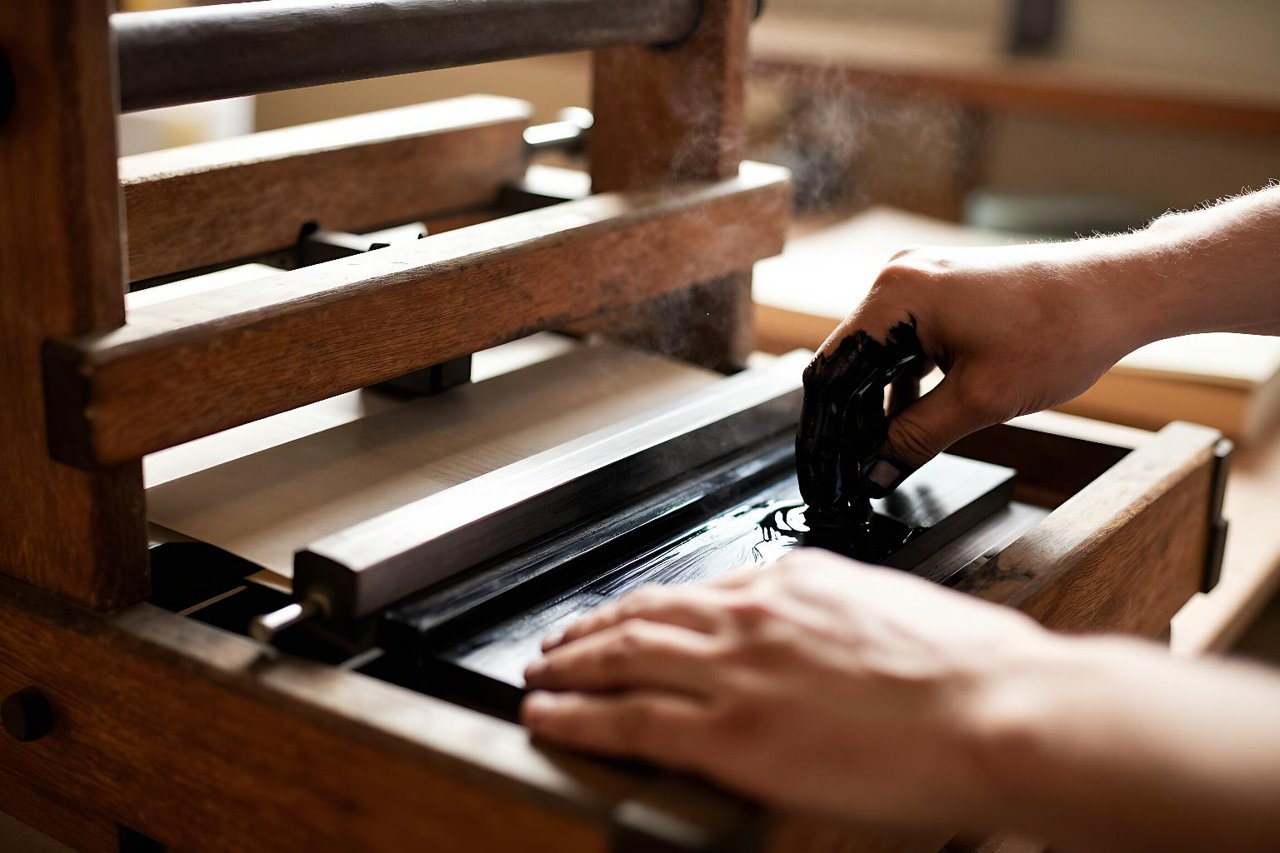
Before Johannes Gutenberg’s movable type in the 1440s, a book was a luxury object. A scribe could spend months copying a single volume. By 1500, European presses had produced an estimated 20 million books. Pamphlets, maps, and translations spread faster than authorities could control them. Literacy stopped being a privilege of the wealthy and started becoming a practical skill for merchants, tradespeople, and eventually schoolchildren.
The printing press did not just put words on paper. It standardized spelling, spread scientific diagrams, and made it possible for one idea to reach thousands of readers in a single season. Revolutions in religion, politics, and science all found a distribution network.

2. Sanitation Systems Made Cities Livable
For most of history, cities were deadly. Waste ran through streets, wells sat too close to cesspits, and cholera killed thousands in a single outbreak. London’s Great Stink of 1858 pushed Parliament to fund a sewer system that eventually carried waste away from the Thames. Death rates fell. Cities grew.
Indoor plumbing, flush toilets, and water treatment are rarely celebrated as glamorous inventions. Their effect is enormous: they turned dense human settlements from disease traps into places where life expectancy could rise. A tap that delivers clean water is a public-health machine disguised as a household fixture.
3. The Electric Grid Turned Night Into Productive Time
Electric light did not arrive alone. It needed dynamos, wires, meters, and power stations. Once those pieces connected in the 1880s, factories could run after dark, streets became safer, and homes gained a new rhythm. Work no longer had to stop when the sun went down.
The grid also made other inventions possible. Refrigerators, radios, washing machines, and computers all depended on reliable electricity. The institutions that track this kind of chain reaction have honored seven groundbreaking innovations that show how one advance can unlock many others.
4. Refrigeration Changed What We Eat and Where We Live
Artificial refrigeration began as an industrial curiosity in the 1800s. By the 1870s, refrigerated rail cars were moving meat and produce across continents. Home refrigerators became common in the mid-20th century. The result was not just colder drinks. Fresh food stopped being a local, seasonal luxury.
Refrigeration reshaped cities, too. People could live farther from farms. Grocery stores could stock more than a day’s supply. Vaccines could travel. The humble cold chain now protects everything from insulin to ice cream.
What Cold Storage Made Possible
- Longer food storage reduced waste and seasonal hunger.
- Cold transport allowed dairy, meat, and produce to reach distant markets.
- Medical storage made vaccines and blood supplies more practical.
5. Antibiotics Turned Infections From Death Sentences Into Treatable Illnesses
Alexander Fleming noticed mold killing bacteria in 1928, but penicillin only became a mass-produced medicine in the 1940s. The change was immediate and dramatic. Infections from childbirth, surgery, and simple cuts stopped being routine killers. Life expectancy climbed in countries that could get the drug.
Antibiotics also made modern medicine possible. Joint replacements, organ transplants, and chemotherapy all rely on the ability to prevent or treat infection. The growing problem of resistance is a reminder that an invention can be powerful and fragile at the same time.
6. The Telephone Shrank Distance
Alexander Graham Bell’s 1876 patent turned speech into electrical signals. Early phones were clunky, expensive, and tied to wires. Still, the idea was radical: two people could talk as if they were in the same room, even when they were miles apart. Business, family life, and emergency response all changed.
Bell Labs later pushed communications further with the transistor, undersea cables, and satellite links. The telephone did not just connect homes. It trained people to expect instant contact, a habit that the next invention would push much further.
7. The Internet Collapsed Distance Again, and Faster
ARPANET sent its first message in 1969. The World Wide Web arrived in 1989. Within a generation, the internet moved from military labs to classrooms to pockets. Email replaced letters, maps moved onto phones, and remote work became possible for millions of people.
The internet is not one invention. It is a stack of them: packet switching, browsers, fiber optics, data centers, and algorithms. That complexity explains both its usefulness and its messiness. The next layer is already being debated in the future inventions that could change everything, from AI assistants to brain-computer interfaces.
The Inventions That Disappear Are Often the Most Powerful
The strongest inventions do not stay novel. They become background. A flush toilet is invisible until it fails. Electricity is unnoticed until the storm knocks out the line. The printing press is now a metaphor, and the internet is treated like weather.
That pattern matters for anyone trying to spot the next life-changing invention. Look for tools that change mundane routines, not just headlines. A new device that helps a surgeon is impressive. A new system that helps a billion people wash their hands, store food, or find clean water is civilization-sized.
Some of the changes ahead will be refinements of these seven. Better batteries extend the electric grid. New antibiotics protect the gains of modern medicine. Cheaper sensors make the internet more useful in farms and clinics. The work is less glamorous than a launch event, but it is where daily life actually shifts.


