
Table of Contents
A ladder that folds while you’re twelve feet up. A pressure cooker that vents sideways instead of up. A phone battery that swells in the drawer overnight and takes the nightstand with it. Defective product claims start with a moment exactly like that, and what you do in the first forty-eight hours often decides whether the case has legs at all.
Most people assume the hard part is proving the company did something wrong. In practice, the hard part is usually proving what happened to the product after it left the shelf. That’s the piece nobody warns you about.
What Actually Counts as a Defective Product Claim
A product that breaks is not automatically a defective product. If your blender dies in month four, that’s a warranty issue and a customer service call. A defect claim needs something more: an injury, property damage, or a danger that the product wasn’t supposed to pose when used the way people reasonably use things.
States generally split these claims into three buckets, and knowing which one fits your situation shapes everything that follows.

Design defects
The product was built exactly to spec, and the spec was the problem. Every unit that leaves the factory is dangerous in the same way. A table saw shipped without a guard or riving knife. A crib with slats spaced wide enough to trap a shoulder. A space heater with a tip-over switch that doesn’t cut the element fast enough. In these cases the manufacturer can’t blame a bad batch, because there’s no good batch.
Manufacturing defects
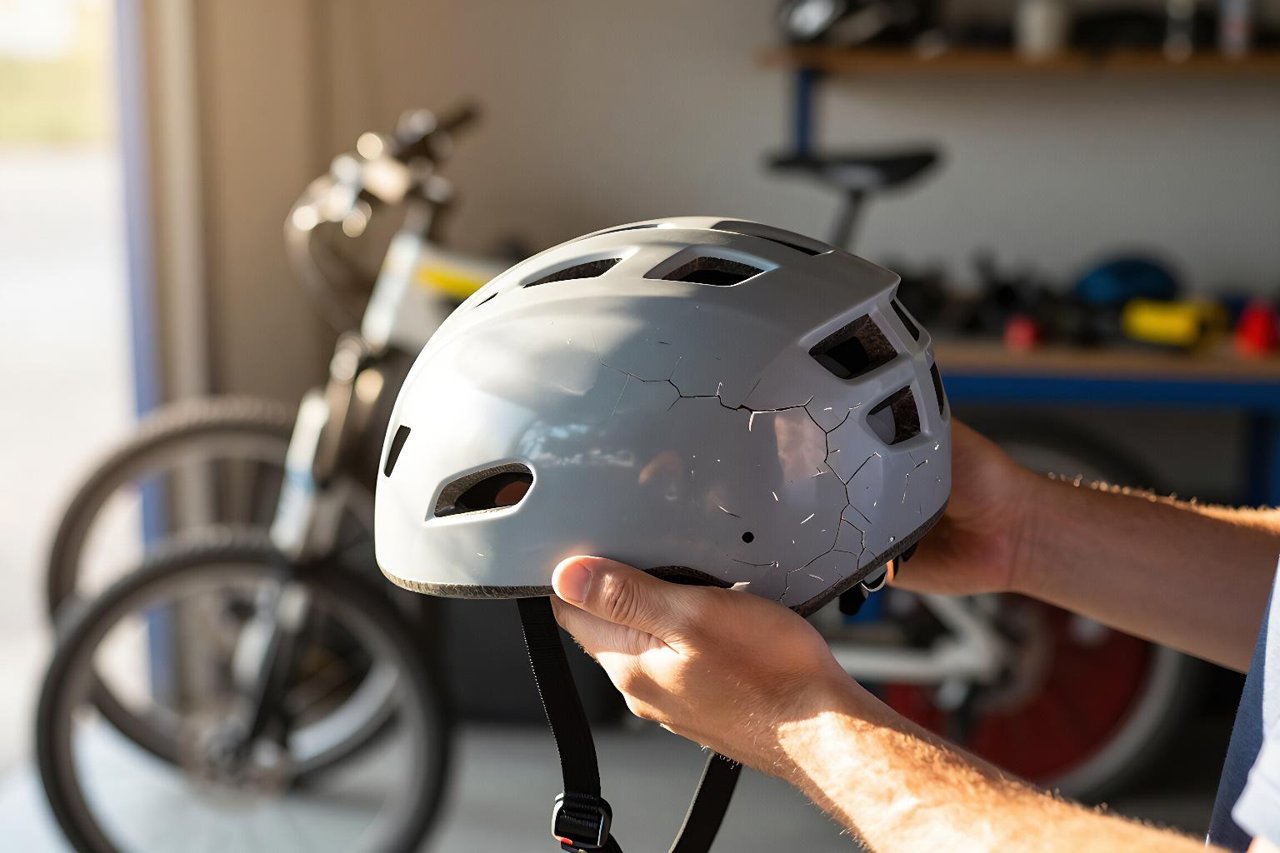
The design was fine. Something went wrong on the line. Tire belts that didn’t bond, a batch of blood pressure medication dosed at ten times the label strength, a run of helmets where the foam wasn’t cured properly. These cases live and die on batch records, lot numbers, and quality control logs, which is why the specific serial number on your unit matters so much.
Failure to warn
The product is safe if used correctly, but nobody told you what correctly means. A drain cleaner that doesn’t mention that mixing it with bleach releases chloramine gas. A supplement that interacts badly with a common blood thinner and says nothing about it. Warnings have to be clear, visible, and adequate for the people actually buying the thing, not just for someone reading a manual in a lab.
The Evidence That Decides These Cases
Insurance adjusters and defense attorneys attack the product’s history long before they argue about fault. Your job is to make that history airtight.
Keep the product. Do not clean it.
This is the single biggest mistake people make. The melted kettle gets thrown out. The failed car part gets swapped by a mechanic who needs the bay free. The torn jacket goes in the trash. Once the product is gone, you’re arguing from photographs and memory against a company with engineers and a litigation budget.
Bag it, box it, photograph it from six angles, and write down where it’s been stored. Keep the packaging, the receipt, the manual, and the Amazon order confirmation. If the injury involved fire, keep the clothing and don’t wash it.
Spoliation can end a case before it starts
Courts expect evidence to be preserved once litigation is reasonably anticipated. Repairing the product yourself, letting a mechanic dispose of the failed part, or discarding a burned garment can be treated as destroying evidence. It doesn’t always kill a claim, but it hands the defense an argument that pulls attention away from what the company did.
You don’t have to have used it perfectly
Manufacturers build detailed instructions and then argue anyone who deviated caused their own injury. Courts have pushed back on that for decades under the doctrine of foreseeable misuse. Standing on the top rung of a step ladder is warned against and also completely predictable. If a company markets a product to homeowners and knows some percentage of them will do the obvious careless thing, they’re expected to design around it.
That doesn’t mean anything goes. Climbing a shelving unit like a staircase is a harder argument. But a single mistake on your part usually doesn’t wipe out a claim, even though the defense will insist it does.
Who Actually Pays
These claims are rarely against one party. Along the chain you’ll typically find the manufacturer, the company that made the failed component, the distributor, and sometimes the retailer who sold it. Many states apply strict liability to manufacturers, meaning you don’t have to prove carelessness, only that the product was defective and caused harm.
Working out who’s worth pursuing, and who’s just going to point at the next company down the line, is where product liability lawsuits against manufacturers and sellers get complicated fast. Retailers have pushed hard for years to be dismissed from these cases, with mixed results depending on the state.
What a Defective Product Claim Is Worth
Compensation tracks the harm, which means two similar accidents can produce wildly different numbers.
- Medical costs, past and future, including rehabilitation, prosthetics, and home modifications
- Lost income, including reduced earning capacity if you can’t return to the same work
- Pain and suffering and loss of enjoyment of life
- Property damage from fires, floods, or structural harm caused by the product
- Loss of consortium for a spouse whose relationship has been changed
Punitive damages exist but are rare and usually hinge on evidence the company knew about the danger and shipped anyway. In the famous Pinto case, a jury returned $125 million in punitive damages against Ford, later reduced to $3.5 million on appeal. Awards that survive appeal tend to be tied to documented internal warnings, not just outrage.
Severe outcomes change the scale entirely. Catastrophic injury claims involve life-care plans and economists projecting decades of cost, and a case involving a house fire started by an appliance may need to account for permanent scarring on top of everything else, which is why burn injury lawsuits often turn on reconstructive surgery forecasts. When the injury is fatal, wrongful death claims follow a different set of rules about who may file and what the estate can recover.
Deadlines You Cannot Get Back
Two clocks run at once. The statute of limitations gives you a window to file, typically two to three years from the injury, though the discovery rule can start the clock later if the harm wasn’t obvious. The statute of repose is harsher: many states bar claims against a manufacturer once a product is a certain age, often somewhere between six and fifteen years after it was first sold, regardless of when you got hurt. A used industrial machine from 2009 may already be outside the window in your state.
Both deadlines vary enormously by jurisdiction and by claim type. Call a lawyer’s office and ask about the deadline before you do anything else, even if you’re not sure you have a case.
Where Good Claims Go Wrong
Beyond lost evidence, a handful of predictable missteps show up again and again.
- Accepting the manufacturer’s first offer, which is usually calculated against medical bills alone
- Signing a release or giving a recorded statement to a company adjuster
- Posting injury photos and recovery updates publicly while the claim is open
- Waiting too long to get the product inspected by an expert, letting it degrade in a garage
- Assuming the recall notice you found online covers your specific unit
That last one matters more than people expect. Recalls are often limited by model number and date code, and a recall that doesn’t cover your product can still be powerful evidence that the company knew about the hazard.
Why These Cases Rarely Get Built Alone
Proving a defect usually requires a mechanical or materials engineer, sometimes metallurgy testing, sometimes a reconstruction of the accident. Those reports cost thousands before a single deposition happens, and manufacturers have entire teams whose job is to dismantle them. Most injury firms work on contingency for exactly this reason, fronting the expense and taking a percentage only if the case resolves.
If you’re still deciding whether it’s worth picking up the phone, what a product liability lawyer actually does in the first few weeks is mostly preservation and paperwork: sending a hold letter so the company doesn’t destroy its records, arranging an inspection before the evidence degrades, and figuring out which of the five possible defendants has the money and the responsibility. A consultation costs nothing and tells you whether the clock has already run out.


