
Table of Contents
A chicken sexer can tell the sex of a day-old chick in about a second, and a fast one will work through a thousand birds an hour. The job exists for a simple reason: a male chick from a laying breed will never produce an egg, so it costs the hatchery money from the moment it hatches, and no machine has yet beaten a trained hand at sorting the two apart.
That’s the pattern behind most of the work on this list. A specific, unglamorous problem needs solving, someone gets very good at solving it, and the pay reflects the fact that almost nobody else wants the job. Some of these roles sit inside industries worth billions. Others are one-person operations built on a gap nobody else spotted.
Here are seven strange jobs that actually exist, what they involve day to day, and what they tend to pay.
1. Chicken Sexer
Hatcheries need to know which chicks are female within roughly 24 hours of hatching, before the birds are boxed and shipped. Most commercial sexing still uses the Japanese method, developed in the 1920s and 1930s and taught at specialist schools such as the one run by Zen-Noh in Nagoya. The chick is held upside down, the vent is gently opened, and the sexer reads a difference of a millimetre or two.

Trained workers hit 98% accuracy and above, at speed. Apprenticeships run for months before the accuracy is good enough to trust. UK adverts for chick sexers have quoted salaries around £40,000, roughly $50,000, sometimes with accommodation thrown in, because the work is rural and heavily seasonal. The trade also sits on a long line of skills that vanished the moment a better tool turned up, a pattern that runs through the historical facts most people never learned in school.
2. Snake Milker
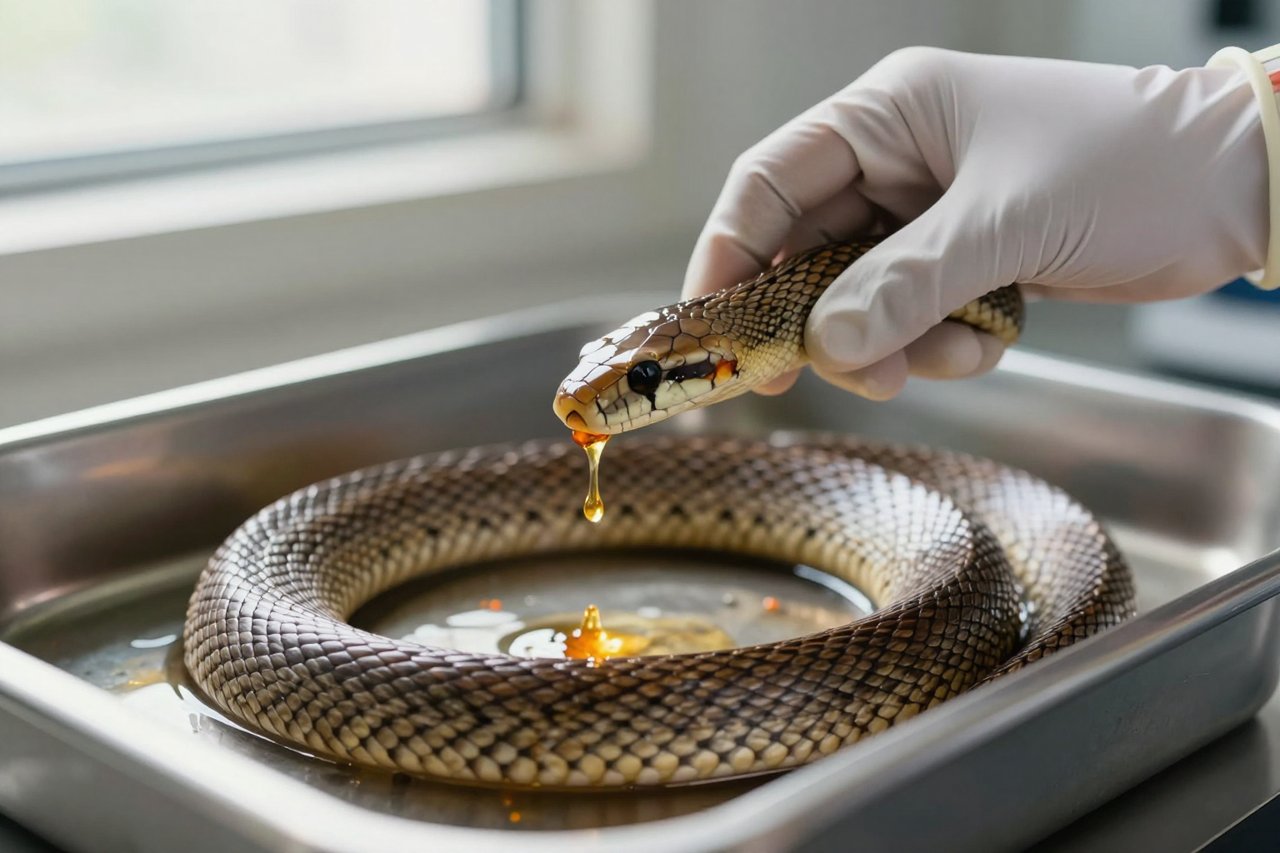
Antivenom is made from venom, and to get venom someone has to hold a live snake and persuade it to bite a covered cup. That is the job description for a venom-extraction technician, a full-time role at antivenom producers such as the Instituto Clodomiro Picado in Costa Rica, where a serpentarium of several hundred snakes is milked on a rotating schedule.
One milking from a large viper might yield a few hundred milligrams, which sounds trivial until you learn that some dried venoms are valued at thousands of dollars per gram for what they do in medicine and research. Staff work with hooks and clear plastic cups sealed with parafilm. A handler who gets distracted for a second is a handler with a hospital story.
3. Professional Bridesmaid
Jen Glantz started Bridesmaid for Hire in New York in 2014 after turning up to one too many weddings as the only single friend at the table. In the UK, Tiffany Wright markets herself as the Professional Bridesmaid and has reported charging around $2,000 per wedding, plus travel.
What the job actually involves
Less wearing a nice dress, more absorbing stress. Typical bookings cover dress fittings, corralling relatives, running errands on the morning of the wedding, holding the bouquet during photographs, and making sure the bride eats something before the ceremony.
Most operators cap their calendar at 10 to 20 weddings a year, because the emotional load is real and the weekends disappear. The social media side is half the business now, which puts these solo operators in the same arena as celebrities and famous people, where fame gets built, sold and survived.
4. Golf Ball Diver
Courses with water hazards end up holding thousands of balls in the mud. Retrieval divers work those ponds, often in Florida and the Carolinas, in water with almost no visibility, feeling along the bottom with their hands.
The risks are not theoretical. Florida ponds come with alligators, snapping turtles and the occasional discarded club, so divers work in pairs, keep a spotter on the bank, and stay out of the water during breeding season. A good day’s haul runs to thousands of balls, which get washed, graded and sold to refurbishers at roughly 20 to 60 cents each, then resold for a dollar or two. Some divers claim six-figure seasons on the best courses, though the work is cold, filthy and seasonal. Golf has always been a soft target for expensive gimmicks, much like the failed technologies that cost companies billions.
5. Odor Judge
Consumer goods companies employ trained sniffers to score how products smell, and how they smell after eight hours on a real person. Deodorant brands, mouthwash makers, laundry labs and fragrance houses all run panels.
What an odor judge scores
- How strong a deodorant’s protection still reads after a set number of hours
- Whether a fragrance fades cleanly or turns sour on skin
- How a “fresh linen” scent behaves on cotton, polyester and blends
- Whether a masking scent clashes with body odour instead of covering it
Panel members follow strict rules: no garlic, onions or spicy food before a shift, no smoking, no perfume, no strong coffee. Most can only smell for two to three hours before olfactory fatigue sets in, so shifts stay short. Junior panel work pays modestly. The senior perfumers and flavorists who design the scents earn six figures.
6. Tokyo Train Pusher
Tokyo’s rush hour is famously dense, and at stations like Shinjuku the oshiya, the pushers in white gloves, still help out. The job is part crowd control, part physics: compress the last few passengers into a carriage running at roughly 200% of its designed capacity, then check that nothing and nobody is caught in the doors.
The role has shrunk. JR East has cut staffing at many stations and moved most remaining pushers to part-time shifts, partly because platform screen doors and better timetabling reduced the need. The ones who remain also help people with prams, wheelchairs and suitcases, which is the part tourists never film.
7. Professional Line Sitter
If a queue forms and you can’t stand in it, someone will stand there for you. Same Ole Line Dudes, run by Robert Samuel in New York, started in 2012 and has charged roughly $25 to $40 an hour to hold a place for restaurant reservations, Broadway ticket windows, sneaker drops, sample sales and the DMV.
Sitters text updates, swap out with a colleague on long jobs, and bill hourly with a minimum. It sounds like a joke until you notice the operation runs on scheduling software, repeat clients and a mental map of which queues move fastest at which hours. Niche services like this are a decent reminder of how companies that became successful after nearly failing often found their footing in something just as unglamorous.
How People Actually Get These Jobs
Almost none of them appear on standard job boards. Chick sexing is taught through apprenticeship, usually at a hatchery that will train you because the skill is scarce. Venom work tends to go to biology or animal-science graduates who apply directly to antivenom producers and zoos. Commercial diving needs certification, and the golf ball side wants divers who already carry insurance and own a boat. Odor panels recruit through temp agencies and consumer research firms. Line sitting is a business you start rather than a job you apply for.
The pay holds up for one reason: the supply of willing, skilled people is tiny. If you can handle the odd hours, the smell, the snakes or the cold water, someone is almost always paying for it.


