
Table of Contents
For centuries, long, healthy hair has been a symbol of femininity, status, and allure. But not everyone can grow out their hair quickly—or without damage. Hair extensions have become the go-to solution for instantly transforming your look. Whether you want mermaid length, subtle volume, or a pop of color without the commitment, there’s a hair extension method that fits your needs. But with so many options available, it’s easy to feel overwhelmed. This guide breaks down everything you need to know before you buy, apply, and care for extensions.
The Main Types of Hair Extensions
Every hair extension method falls into one of two categories: temporary or semi-permanent. Your choice depends on your budget, lifestyle, and how often you want to switch up your style. Here’s a breakdown of the most popular methods.
Clip-In Extensions
Clip-ins are the easiest entry point into the world of extensions. Each weft has tiny clips attached to the top, allowing you to snap them into your own hair at the roots. You can apply them in five minutes and remove them before bed. They’re ideal for special events or for trying out a longer look without the commitment. The downside? They can become uncomfortable after several hours, and if you have fine hair, the clips might be visible.
Tape-In Extensions
Tape-ins are thin panels of hair that are attached to your natural hair with medical-grade adhesive. They lie flat against your head, making them comfortable and discreet. With proper maintenance, they last six to eight weeks before the natural growth requires a repositioning. Because they’re semi-permanent, you’ll need to visit a salon for application and removal, which adds to the overall cost.

Sew-In Extensions
Also known as weaves, sew-in extensions are applied by braiding your natural hair into tracks and then sewing the extension wefts onto them. This method works beautifully for thick, curly, or coily hair textures that tolerate the tension. Sew-ins can last up to two months, but it’s crucial to keep the braids clean and moisturized underneath. If installed too tightly, they can cause traction alopecia, so always work with a trusted stylist.
Keratin Fusion Extensions
For the most natural-looking result, keratin fusion extensions are a popular choice. Small strands of extension hair are attached to your own hair using a keratin adhesive and a heat tool. They blend flawlessly and can be styled just like your natural hair. However, application takes several hours, and the removal process requires a special solution. Additionally, they can be heavy on fragile hair, so a consultation is essential.
Halo Extensions
A halo extension is a single weft attached to a thin wire that sits on the crown of your head like a hidden crown. Your natural hair covers the wire, giving you instant volume and length without any adhesive or heat. Halos are perfect for women with thin or delicate hair, but they restrict updos since the wire may become visible.
Human Hair vs. Synthetic: Which Should You Choose?
The material of your extensions matters more than almost any other factor. Synthetic extensions are affordable and come pre-styled, but they cannot withstand heat and often have a shiny, artificial appearance. For most people, human hair is the clear winner.
High-quality human hair extensions blend seamlessly with your own hair, take color beautifully, and last for months with proper care. The price tag is significantly higher, but the versatility makes it worthwhile. When you’re paying for premium hair, it’s important to buy from a reputable brand. Many stylists recommend Isee hair extensions for their durability and ethical sourcing. If you’re wondering what makes them stand out, our guide to Isee hair extensions is the perfect starting point.
How to Match Extensions to Your Natural Hair
You’ve got the method and the type down—now it’s time to find your perfect shade. A common mistake is choosing a color that looks right under salon lighting but is a dead giveaway in the sun. Always ask for a color match in natural light. If you’re buying online, order a few samples and compare them against your roots, mid-lengths, and ends.
Texture is just as important as color. If your hair is stick-straight, a wavy weft will look obvious. If you have curls, you’ll need extensions that either match your curl pattern or can be styled to match. Extensions that don’t match the porosity or density of your hair can also cause tangling and place stress on your roots. When in doubt, consult a professional, especially if you’re planning to wear them every day.
Application: What to Expect
The application process varies greatly depending on the method. Clip-ins and halos are DIY-friendly, but tape-ins, sew-ins, and keratin bonds require professional expertise. A typical appointment lasts anywhere from 45 minutes to two hours. Your stylist will start by parting your hair thoroughly, prepping the natural hair, and applying each weft with precision.
The cost is a major consideration. Installation alone for tape-ins can range from $150 to $400, and the hair itself is sold separately. For a full head of premium extensions, you might be looking at a total investment of $800 to $2000 or more. It’s an investment, so you want to protect it. Many people consider extensions like a beauty splurge, comparable to other long-term beauty services but with a unique care routine.
The Golden Rules of Extension Care
Once extensions are in, your aftercare routine is the difference between a flawless blend and a frizzy, tangled mess. Here are the non-negotiable steps for making your extensions last:
- Wash gently with a sulfate-free shampoo. Focus on the roots if you have tape-ins, and be careful not to rub the bonds aggressively.
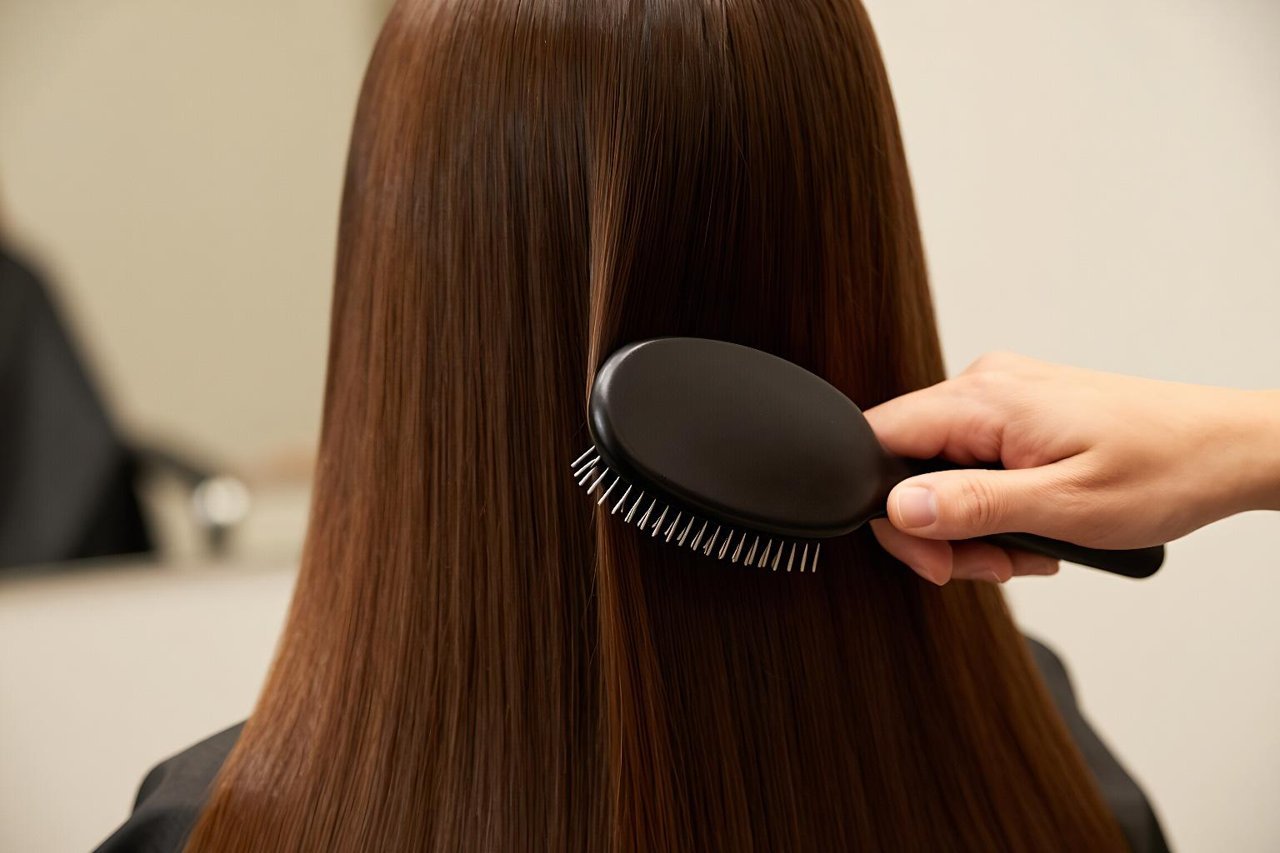
- Brush with a loop or soft-bristle brush, always holding your hair at the root while working out tangles from the ends up.
- Apply a heat protectant before using any hot tools. Even human hair that’s not protected can become dry and brittle.
- Protect your hair at night by braiding it loosely or slipping it into a silk scrunchie. A satin pillowcase also reduces friction.
- Don’t wash too often—extensions don’t produce natural oils, so overwashing will only dry them out. Stick to two or three times per week.
A less-is-more approach is also a smart strategy. Plenty of celebrities follow a minimalist hair routine to keep their whole head healthy. In fact, Chloe Fineman shares her simple, no-B.S. hair routine that focuses on quality products and fewer steps. Those are the kinds of habits that extend the life of your extensions.
An efficient dryer makes all the difference. A tool that heats evenly and offers ionic technology can reduce drying time and keep the hair looking shiny. We’ve reviewed the best hair dryers of 2025 for various hair types to help you pick one that won’t fry your investment.
Styling Your Hair with Extensions
The whole point of hair extensions is to have fun with your hair. Once your extensions are secure, you can experiment with anything from soft beach waves to sleek straight styles. If you are looking for event-inspired inspiration, check out these updo hairstyles that are anything but boring. They can make elegant use of the extra length and volume you’ve added.
Extensions aren’t just for long hair either. If you’ve been wondering what a bob might look like on you, you can use clip-ins to simulate the cut before committing. One celebrity look that has resonated this summer is Penélope Cruz’s weekend bob. The style is easy to recreate with a set of clip-ins, giving you a chic but low-commitment change.
With so many methods and styles out there, there’s no reason to be afraid of taking the plunge. Just remember to choose high-quality hair, match it perfectly, care for it daily, and treat it as the high-maintenance beauty investment it is. Shop around, ask professionals for advice, and soon you’ll have the lush, flowing hair you’ve always wanted.


